
Sleep is the foundation of health — it influences everything from mood and productivity to immune function and longevity. Yet, millions of people around the world struggle to get quality rest. The good news? Artificial Intelligence (AI) is transforming the way we understand and improve sleep.
AI-powered tools can now analyze sleep data, detect hidden patterns, and even predict future sleep issues before they arise. By combining smart sensors, wearable devices, and machine learning algorithms, this technology offers a level of insight and personalization that traditional methods could never achieve.
Let’s explore how AI predicts and improves sleep patterns — and how it’s shaping the future of rest.
How AI Predicts Sleep Patterns
AI uses massive amounts of data collected from wearables, smart beds, sleep apps, and even your smartphone to identify your unique sleep cycles. Through this data, it can recognize habits and physiological signs that correlate with good or poor sleep.
Here’s how it works step-by-step:
1. Data Collection:
AI gathers data from multiple sources such as heart rate, breathing rate, movement, temperature, and noise levels.
2. Pattern Recognition:
Machine learning models analyze this data to detect your sleep stages — light, deep, and REM sleep — and how long you spend in each.
3. Predictive Modeling:
AI then uses historical data to forecast future sleep quality. For instance, it can predict if you’re likely to experience insomnia based on stress levels, caffeine intake, or irregular schedules.
4. Personalized Recommendations:
The system doesn’t stop at observation — it also offers tailored tips such as optimal bedtime, lighting adjustments, or stress-reduction techniques.
The Power of AI Sleep Tracking Devices
Modern AI-powered sleep trackers go far beyond counting hours in bed. They integrate advanced sensors and algorithms to offer deep insights into your biological rhythms. Some examples include:
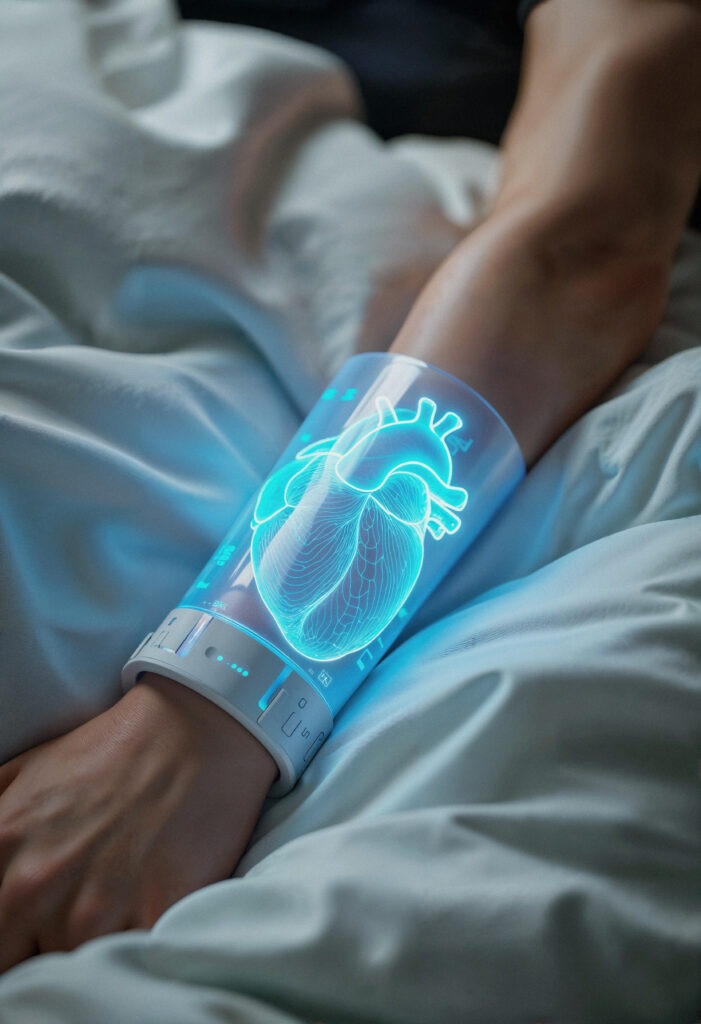
* Smartwatches and Wearables: Devices like Fitbit, Oura Ring, and Apple Watch use AI to analyze movement and biometrics to measure real-time sleep quality.
* Smart Beds: Mattresses such as Eight Sleep use embedded sensors to track breathing and temperature, automatically adjusting firmness or warmth throughout the night.
* Sleep Apps: Apps like Sleep Cycle and SleepScore use AI to interpret sounds and movements, delivering insights into sleep consistency and duration.
AI makes these devices more intelligent by learning your patterns over time, so they become increasingly accurate and personalized.
How AI Improves Sleep Quality
Beyond predicting, AI actively helps you sleep better. Here’s how:
1. Personalized Sleep Coaching
AI identifies behaviors that disrupt rest — like inconsistent sleep schedules or excessive screen time — and provides targeted feedback to correct them. Some systems even send notifications when it’s time to start winding down.
2. Environmental Optimization
Smart home systems integrated with AI can adjust your environment for optimal rest. For example, they can:
* Dim lights automatically in the evening.
* Lower room temperature when you’re in deep sleep.
* Play gentle white noise or calming music when disturbances are detected.
3. Predicting and Preventing Sleep Disorders
AI can detect early signs of sleep apnea, insomnia, or restless leg syndrome by analyzing long-term biometric data. This allows for early intervention before conditions worsen.
4. Smart Alarm Systems
Instead of waking you abruptly, AI-based alarms monitor your sleep cycle and wake you gently during a light sleep stage, helping you feel refreshed and alert.
5. Continuous Learning
AI systems improve over time. The more data they collect about your sleep, the better they understand your needs, making their recommendations smarter and more accurate.
Real-World Applications of AI in Sleep
AI’s role in sleep science isn’t just limited to personal devices. It’s also reshaping healthcare and research.
* Sleep Clinics: Doctors now use AI to interpret polysomnography (sleep study) data more efficiently, reducing diagnosis time for sleep disorders.
* Mental Health Integration: AI can detect links between poor sleep and anxiety or depression, offering holistic wellness recommendations.
* Workplace Wellness Programs: Companies use aggregated AI sleep data (with privacy protection) to support employee well-being and performance.
Privacy and Ethical Considerations
With AI’s ability to collect sensitive biometric data, privacy is a major concern. Users should always review data-sharing policies before syncing devices to cloud services. Opt for companies with transparent data use, encryption, and anonymized reporting.
Ethical AI design ensures that sleep data improves health — not invades privacy.
The Future of AI and Sleep
The next frontier of AI sleep technology will likely involve predictive health integration — where sleep data connects with nutrition, fitness, and emotional health systems to create a unified wellness profile.
Imagine your AI assistant not only tracking your sleep but also predicting how today’s choices — like caffeine, exercise, or stress — will affect tonight’s rest.
We may soon see AI sleep platforms capable of simulating ideal conditions for each individual, from soundscapes to room temperature, ensuring personalized perfection every night.
Conclusion
AI is revolutionizing the science of sleep. By predicting patterns, providing data-driven insights, and adapting to your lifestyle, it helps you sleep smarter — not just longer.
From wearable trackers to smart homes, AI technology is transforming rest into a measurable, improvable aspect of health. As the technology continues to evolve, one thing is clear: the future of good sleep is intelligent.
So tonight, as you drift off, remember — your sleep isn’t just rest anymore. It’s data-driven renewal.


 English
  Indonesian
  Chinese