😴 Why Vitamins Matter for Sleep
Most people think about caffeine, stress, or screens when it comes to poor sleep — but few realize that nutrient deficiencies can also cause insomnia.
Vitamins and minerals play a key role in your nervous system, hormone balance, and circadian rhythm. Without enough of certain nutrients, your body may struggle to relax or produce sleep hormones like melatonin and serotonin.
Let’s explore the most important vitamins and minerals that support restful, high-quality sleep.
☀️ 1. Vitamin D: The Sunshine Vitamin
🧠 How It Helps
Vitamin D does more than keep your bones strong — it also influences your sleep-wake cycle and mood regulation. Research shows that people with low vitamin D levels are more likely to experience poor sleep quality, short sleep duration, and daytime fatigue.
Vitamin D receptors are found in areas of the brain involved in sleep regulation, including the hypothalamus. Adequate levels help maintain stable circadian rhythms and reduce sleep disturbances.
🥗 Best Sources
- Sunlight exposure (10–20 minutes per day)
- Fatty fish (salmon, sardines, mackerel)
- Egg yolks
- Fortified foods (milk, orange juice, cereals)
- Supplements (vitamin D3 is most effective)
💡 Tip
Take vitamin D in the morning to align with your body’s natural rhythm. Evening doses may interfere with melatonin release in sensitive individuals.
🧬 2. Vitamin B6: The Serotonin Booster
🧠 How It Helps
Vitamin B6 (pyridoxine) helps your body convert the amino acid tryptophan into serotonin and then into melatonin, the hormone that regulates sleep. Without enough B6, this conversion process slows down — leading to lower melatonin levels and difficulty falling asleep.
B6 also supports neurotransmitters like GABA and dopamine, which calm the brain and reduce nighttime anxiety.
🥗 Best Sources
- Bananas
- Chickpeas (garbanzo beans)
- Potatoes
- Chicken and turkey
- Tuna and salmon
💡 Tip
If you’re under chronic stress or take birth control pills, your B6 levels may be lower — consider supplementing under medical guidance.
🌾 3. Magnesium: The Relaxation Mineral
🧠 How It Helps
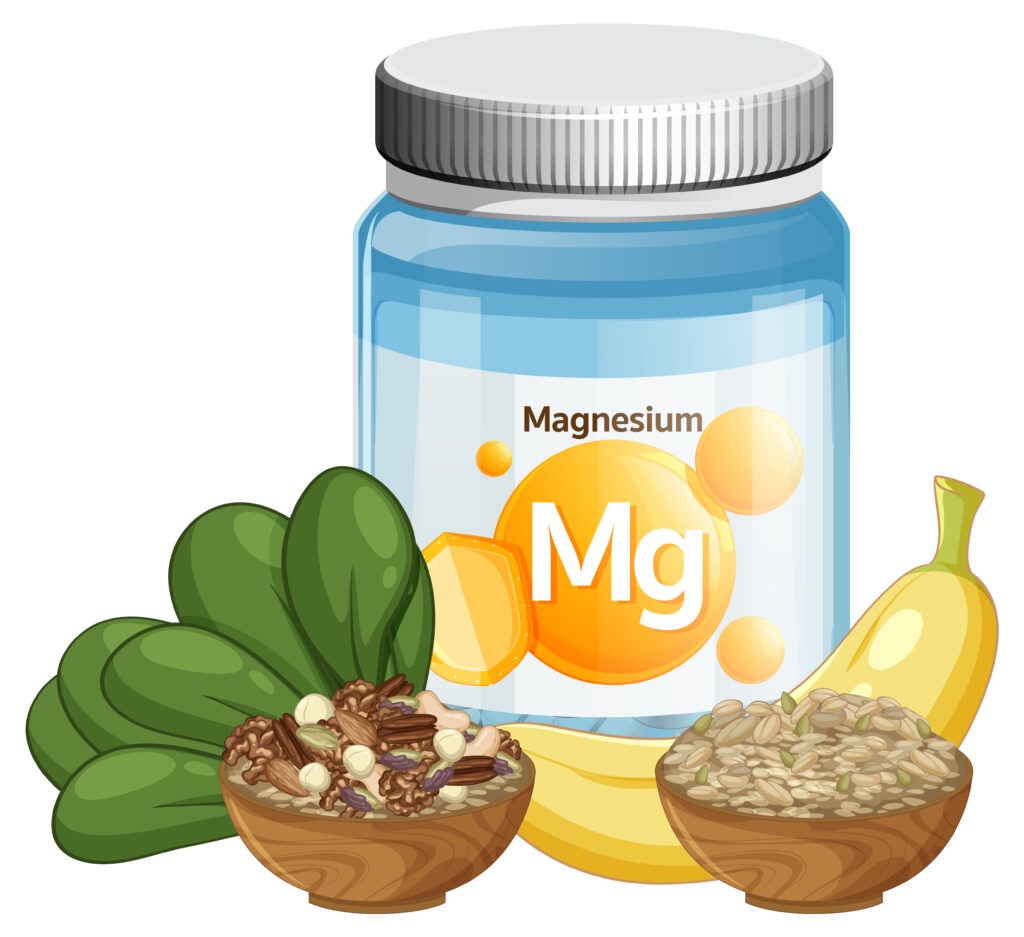
Magnesium isn’t technically a vitamin, but it’s essential for deep, restorative sleep. It activates the parasympathetic nervous system — your body’s “rest and digest” mode — and helps regulate GABA, the neurotransmitter that calms the brain.
Studies show that magnesium supplementation can reduce insomnia, especially in older adults or people under high stress.
🥗 Best Sources
- Pumpkin seeds
- Almonds
- Spinach and kale
- Avocados
- Dark chocolate (70%+ cocoa)
💡 Tip
Try magnesium glycinate or magnesium citrate before bed. These forms are well-absorbed and gentle on digestion.
🧘♀️ 4. Vitamin B12: The Circadian Regulator
🧠 How It Helps
Vitamin B12 helps maintain healthy nerve function and supports the production of melatonin. It also helps regulate your sleep-wake rhythm, especially for people who work night shifts or experience jet lag.
Deficiency in B12 can cause fatigue, mood changes, and even insomnia — particularly among vegetarians, vegans, and older adults.
🥗 Best Sources
- Beef, liver, and poultry
- Fish (salmon, tuna, trout)
- Dairy products
- Eggs
- Fortified plant-based milks or B12 supplements (for vegans)
💡 Tip
Take B12 in the morning or early afternoon. It can increase alertness, so avoid it before bedtime.
🥑 5. Calcium: Partner to Melatonin
🧠 How It Helps
Calcium works hand-in-hand with tryptophan to help your brain produce melatonin. Low calcium levels have been linked to restless sleep and frequent awakenings during the night.
This mineral also supports muscle relaxation — a key factor in preventing tension that can delay sleep.
🥗 Best Sources
- Yogurt, cheese, and milk
- Sardines and salmon (with bones)
- Broccoli and kale
- Fortified plant milks or tofu
💡 Tip
If you wake up frequently at night, adding a calcium-rich evening snack — like yogurt with nuts — may help.
🍊 6. Vitamin C: The Stress Reducer
🧠 How It Helps
Vitamin C isn’t just for immunity — it also helps regulate cortisol, the stress hormone that can interfere with sleep. High cortisol levels at night keep the body in a state of alertness, making it harder to relax.
Vitamin C supports the adrenal glands, reduces inflammation, and helps restore balance to your body’s stress response.
🥗 Best Sources
- Oranges, kiwis, and strawberries
- Bell peppers
- Broccoli and Brussels sprouts
- Acerola cherry or camu camu (super sources)
💡 Tip
Include vitamin C in your daily diet rather than supplementing at night — it’s more effective when used to maintain steady cortisol levels throughout the day.
🩵 7. Zinc: The Sleep Quality Enhancer
🧠 How It Helps
Zinc plays a supporting role in neurotransmitter function and helps regulate sleep duration and efficiency. In one study, individuals with adequate zinc levels reported better sleep quality and fewer night awakenings.
Zinc also supports immune function and may work synergistically with magnesium and vitamin B6 in promoting relaxation.
🥗 Best Sources
- Oysters (highest source)
- Beef and chicken
- Pumpkin seeds
- Cashews and almonds
- Whole grains
💡 Tip
Zinc is best taken with food to avoid stomach discomfort. For sleep benefits, combine it with magnesium and vitamin B6 in the evening.
💊 Can You Take All These Vitamins Together?
Yes — most of these vitamins work synergistically to improve sleep. For example:
- Magnesium, calcium, and vitamin D support muscle relaxation.
- B6, B12, and zinc enhance serotonin and melatonin production.
- Vitamin C helps regulate stress levels for better rest.
However, over-supplementation can cause imbalances. It’s best to get nutrients primarily from a balanced diet, and use targeted supplements only when needed — ideally after a blood test or medical consultation.
🌜 Lifestyle Habits That Boost Vitamin Absorption
Even the best vitamins won’t help much if your lifestyle disrupts your sleep cycle. Combine good nutrition with these habits for optimal results:
- Get natural sunlight every morning to support vitamin D and circadian rhythm.
- Limit caffeine after 2 PM to avoid nutrient depletion.
- Eat magnesium-rich foods at dinner (like leafy greens and nuts).
- Stay hydrated — dehydration can affect nutrient absorption.
- Exercise regularly, but finish workouts at least 3 hours before bed.
- Prioritize a dark, cool bedroom to encourage natural melatonin production.
🌿 Final Thoughts: Feed Your Sleep Naturally
The secret to better sleep isn’t always in a pill — sometimes, it’s in your plate.
Vitamins like D, B6, B12, magnesium, and calcium play crucial roles in calming your body, balancing hormones, and synchronizing your sleep cycle.
🌸 Bottom line: A nutrient-rich diet is the foundation of deep, restorative sleep. Support your body naturally before turning to stronger sleep aids.


 English
  Indonesian
  Chinese