🌿 What Is Passionflower?
Passionflower (Passiflora incarnata) is a climbing vine native to North and South America, long valued for its calming and sedative properties.
Traditionally used by Native American tribes as a natural remedy for insomnia, anxiety, and nervous tension, it remains one of the most popular herbal supplements for promoting relaxation today.
The plant’s stunning purple-and-white blossoms may look exotic, but its real beauty lies in how it helps restore inner calm — gently, naturally, and effectively.
😌 How Passionflower Reduces Anxiety
Passionflower works by subtly influencing your central nervous system, producing a calming effect without causing dependency or heavy sedation.
Here’s how it helps your mind and body relax:
1. Boosts GABA Levels
The primary mechanism behind passionflower’s relaxing effect is its ability to increase gamma-aminobutyric acid (GABA) in the brain.
GABA is a neurotransmitter that acts like your brain’s “brake pedal,” slowing down overactive nerve activity and reducing anxiety, restlessness, and racing thoughts.
2. Modulates Serotonin and Dopamine
Passionflower may help balance mood-regulating chemicals, improving emotional stability and easing mild depression often linked to chronic stress or anxiety.
3. Promotes Calm Without Drowsiness
Unlike prescription sedatives (like benzodiazepines), passionflower doesn’t suppress the nervous system harshly.
It promotes a sense of calm alertness—helping you feel relaxed but still functional and focused.
🧠 What Science Says About Passionflower
Modern research supports what traditional healers have known for centuries: passionflower genuinely helps manage anxiety and mild insomnia.
📚 Key Studies:
- Journal of Clinical Pharmacy and Therapeutics (2001): Passionflower extract was found to be as effective as oxazepam (a common anti-anxiety drug) in reducing anxiety, but with fewer side effects like fatigue or mental fog.
- Phytotherapy Research (2011): Participants who took passionflower before surgery reported significantly reduced anxiety levels compared to a placebo group.
- Complementary Therapies in Medicine (2017): A review of 12 studies concluded that passionflower improves sleep quality and reduces nervous restlessness, especially when taken before bedtime.
These studies suggest passionflower can be a gentle, effective, and non-addictive option for people seeking natural relief from stress and anxiety.
🌙 Passionflower for Better Sleep
Many people use passionflower not only for anxiety but also for sleep problems caused by a restless mind.
Because it increases GABA levels, it helps quiet mental chatter and encourages natural sleep onset — similar to how your brain feels when winding down at night.
Benefits for Sleep:
- Reduces time to fall asleep
- Improves sleep depth and continuity
- Eases nighttime awakenings caused by anxiety or overthinking
- Enhances overall sleep quality without morning grogginess
💤 Tip: Passionflower is especially useful for people who can’t “switch off” at night — it calms the mind without sedation.
🌼 How to Use Passionflower
Passionflower is available in several convenient forms, each offering the same core benefits.
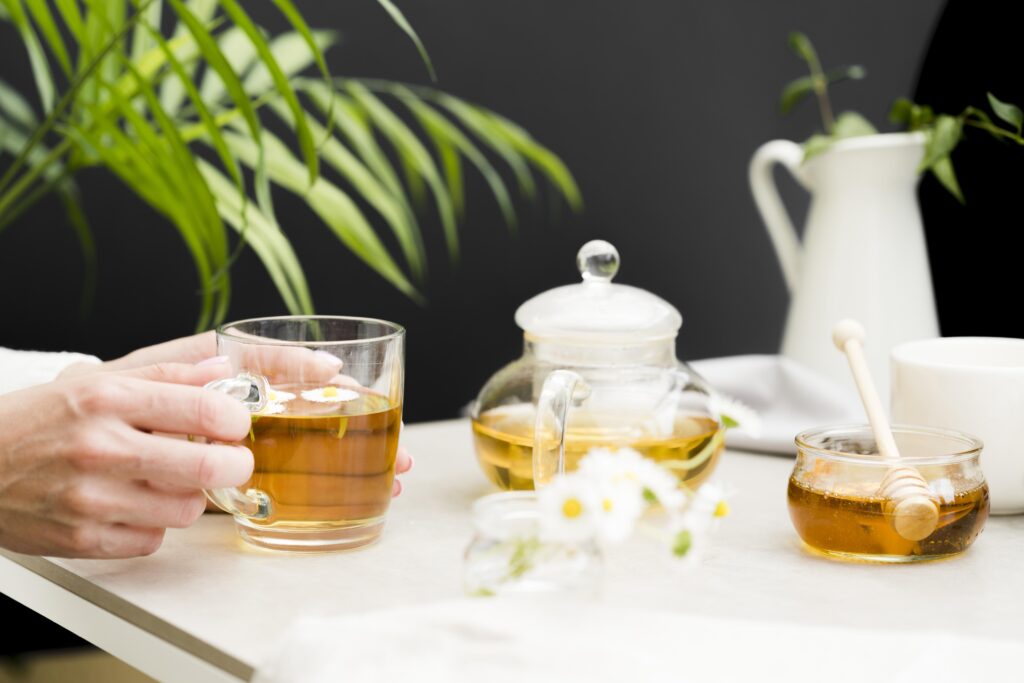
🫖 1. Passionflower Tea
- Steep 1–2 teaspoons of dried passionflower leaves in hot water for 10 minutes.
- Drink 30–60 minutes before bed for a calming effect.
- Optionally combine with chamomile or lemon balm for extra relaxation.
💊 2. Capsules or Tablets
- Typically contain 250–500 mg of standardized extract.
- Take once or twice daily, depending on stress levels or sleep needs.
💧 3. Tinctures (Liquid Extracts)
- Provide faster absorption.
- Usually 20–40 drops in water or juice before bedtime or stressful events.
⚠️ Always follow dosage instructions on the product label or consult a healthcare professional before starting any supplement.
🧩 Combining Passionflower with Other Natural Calming Agents
For stronger results, passionflower can be combined safely with other gentle relaxants:
| Supplement | Primary Effect | Works Well With |
|---|---|---|
| L-Theanine | Promotes calm alertness | Daytime anxiety or focus |
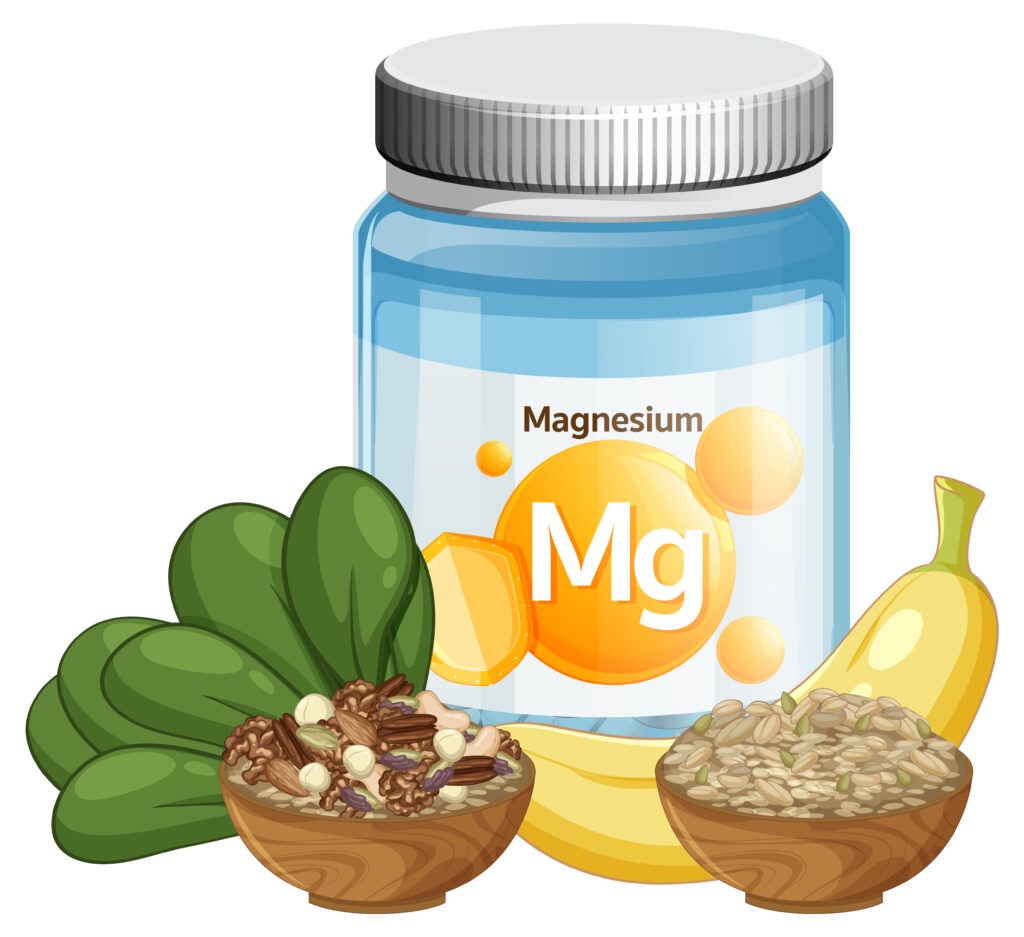
| Magnesium Glycinate | Muscle relaxation | Nighttime tension |
| Chamomile | Soothes nerves, aids sleep | Evening tea blend |
| Valerian Root | Deep sleep support | Insomnia relief |
| CBD | Stress and inflammation reduction | Chronic anxiety or restlessness |
These combinations create synergistic effects—enhancing relaxation and sleep quality without the risks of pharmaceutical sedatives.
⚖️ Safety, Side Effects, and Precautions
Passionflower is generally considered very safe when used as directed.
However, as with any natural remedy, moderation and awareness are key.
✅ Commonly Safe For:
- Short- to medium-term use (up to 8–12 weeks)
- Adults seeking natural relief from anxiety or mild insomnia
⚠️ Possible Mild Side Effects:
- Drowsiness (if taken in high doses)
- Dizziness or nausea
- Rare allergic reactions
🚫 Avoid If You:
- Are pregnant or breastfeeding (due to lack of sufficient safety data)
- Take sedatives, antidepressants, or anti-anxiety medications
- Have liver conditions (consult your doctor first)
Because passionflower interacts with GABA pathways, combining it with pharmaceutical sedatives may cause excessive calmness or drowsiness.
🌺 Passionflower vs. Other Herbal Remedies
| Herb | Main Benefit | Sedation Level | Best For |
|---|---|---|---|
| Passionflower | Reduces anxiety, improves sleep | Mild | Daily stress, mild insomnia |
| Valerian Root | Deep sleep aid | Moderate | Insomnia or nighttime restlessness |
| Chamomile | Gentle relaxation | Very mild | Daytime calm, tea lovers |
| Ashwagandha | Reduces cortisol, improves resilience | Mild | Chronic stress, fatigue |
| Lemon Balm | Eases nervous tension | Mild | Anxiety and digestive issues |
Passionflower sits right in the middle — strong enough to calm the mind, but gentle enough for regular use without drowsiness or dependency.
🌤️ When to Take Passionflower
- For anxiety: Take in the morning or before stressful events.
- For sleep: Take 30–60 minutes before bedtime.
- For daily calm: Use lower doses throughout the day as tea or capsule.
Many users find the best results after consistent use for 2–4 weeks, as the body gradually adapts to its natural balancing effects.
🌸 The Takeaway: Calm from Nature’s Garden
In a world filled with stress, passionflower offers a quiet reminder that nature still holds the keys to peace and balance.
With centuries of traditional use and modern scientific support, this remarkable plant provides gentle, effective relief for anxiety, restlessness, and sleepless nights.
It won’t numb your mind or make you groggy — instead, it brings serenity, clarity, and emotional stability, helping you reconnect with your body’s natural rhythm of calm and rest.
🌿 Bottom line: Passionflower is one of the most effective natural remedies for anxiety and sleep disturbances. It’s safe, non-addictive, and works in harmony with your body to restore calm — naturally and beautifully.
 English
  Indonesian
  Chinese