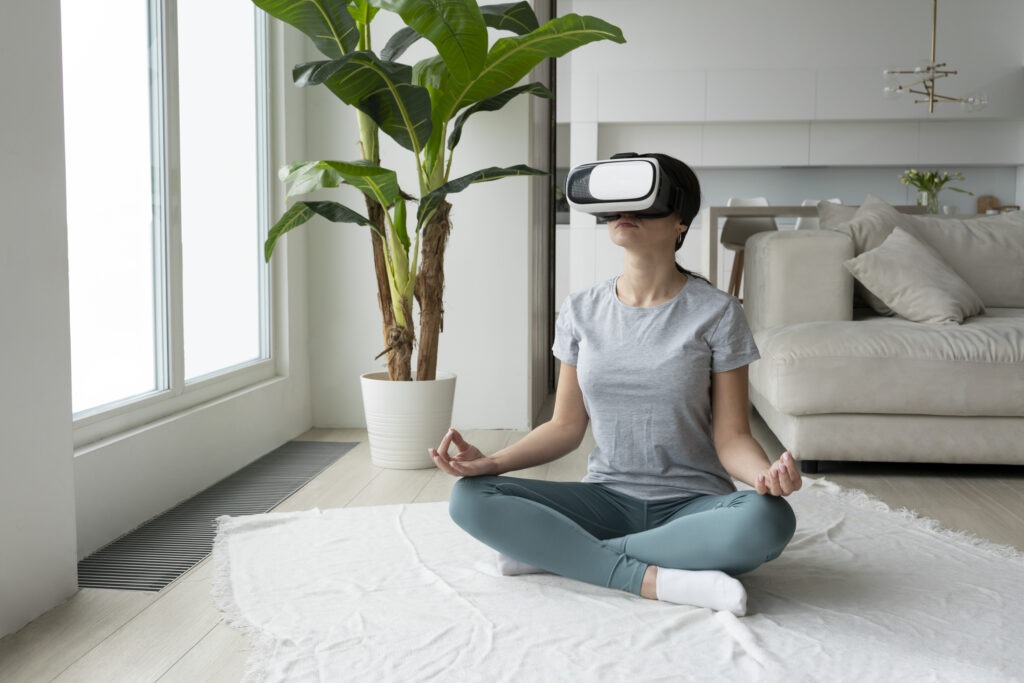
In today’s fast-paced world, many people struggle to unwind before bed. Work stress, excessive screen time, and constant stimulation make it difficult to relax and fall asleep. While traditional meditation has long been recommended for calming the mind, virtual reality (VR) meditation is emerging as a modern and powerful tool for building healthier bedtime routines.
By immersing users in serene, computer-generated environments, VR meditation offers a new way to relax, reduce stress, and prepare the body for sleep. From tranquil beaches to quiet forests, VR can help create the perfect state of mind for restful nights.
Why Bedtime Routines Matter for Sleep
Having a consistent bedtime routine signals to the body and brain that it’s time to wind down. Activities like reading, journaling, or deep breathing all support this transition. However, many people still find it difficult to fully disconnect from stress or racing thoughts.
This is where VR meditation excels. Unlike regular meditation apps or audio guides, VR combines visual immersion, soundscapes, and guided practices to fully transport you into a calming experience—making it easier to shift from a busy day to a state of deep relaxation.
How VR Meditation Works
1. Immersive Environments
VR meditation places you in tranquil digital worlds such as:
* A quiet mountain cabin
* A starlit desert night
* A gentle flowing river
These immersive experiences trick the brain into “being there,” helping you detach from stressors in your actual surroundings.
2. Guided Meditation Practices
Most VR meditation apps offer guided sessions that focus on:
* Breathing exercises
* Body scans
* Visualization techniques
* Mindfulness practices
This structured approach makes meditation easier, even for beginners.
3. Calming Soundscapes
Natural sounds like rain, waves, or soft music are often layered into the experience. Combined with VR visuals, they enhance relaxation and create the perfect bedtime atmosphere.
Benefits of VR Meditation for Sleep
1. Reduced Stress and Anxiety
Immersing yourself in a soothing VR scene helps quiet racing thoughts, reducing cortisol (the stress hormone) and preparing the mind for sleep.
2. Faster Sleep Onset
By engaging multiple senses, VR meditation creates a stronger relaxation response compared to audio-only practices. This helps you fall asleep faster.
3. Improved Sleep Quality
Calmer nights mean fewer awakenings and deeper sleep cycles. Many users report waking up more refreshed after incorporating VR meditation.
4. Accessibility for Beginners
People who find traditional meditation difficult often benefit from VR guidance because it provides a focal point and keeps the mind engaged.
5. Personalized Experiences
With many apps offering a variety of environments and meditation styles, you can choose the setting that best suits your mood each night.
Popular VR Meditation Apps for Bedtime
* TRIPP – A science-backed meditation app with calming visuals and mindfulness exercises.
* Guided Meditation VR – Offers over 100 virtual environments with customizable meditation sessions.
* Nature Treks VR – Lets you explore peaceful natural landscapes with interactive elements.
These platforms are available on VR headsets like Meta Quest, PlayStation VR, or PC-based VR systems.
Tips for Using VR Meditation Before Bed
1. Keep Sessions Short (10–20 minutes): Enough to relax without overstimulating your senses.
2. Choose Calm Environments: Pick scenes with soft lighting and gentle sounds for sleep preparation.
3. Set a Consistent Time: Incorporate VR meditation into your nightly routine to train your body for sleep.
4. Use Blue-Light Filters: Some VR headsets emit blue light—activate night mode if available.
5. Pair with Other Rituals: Combine VR meditation with herbal tea, stretching, or journaling for deeper relaxation.
Is VR Meditation Right for Everyone?
While VR meditation offers many benefits, it may not suit everyone. Some users experience motion sickness or discomfort with prolonged headset use. However, for most, short bedtime sessions provide a comfortable and enjoyable way to transition into sleep.
Conclusion
VR meditation is transforming bedtime routines by combining ancient relaxation practices with cutting-edge technology. By immersing yourself in peaceful environments, guided meditations, and calming soundscapes, you can reduce stress, fall asleep faster, and enjoy higher-quality rest.
If you’re looking for a modern, engaging way to improve your sleep hygiene, VR meditation could be the missing piece in your nightly routine.



 English
  Indonesian
  Chinese