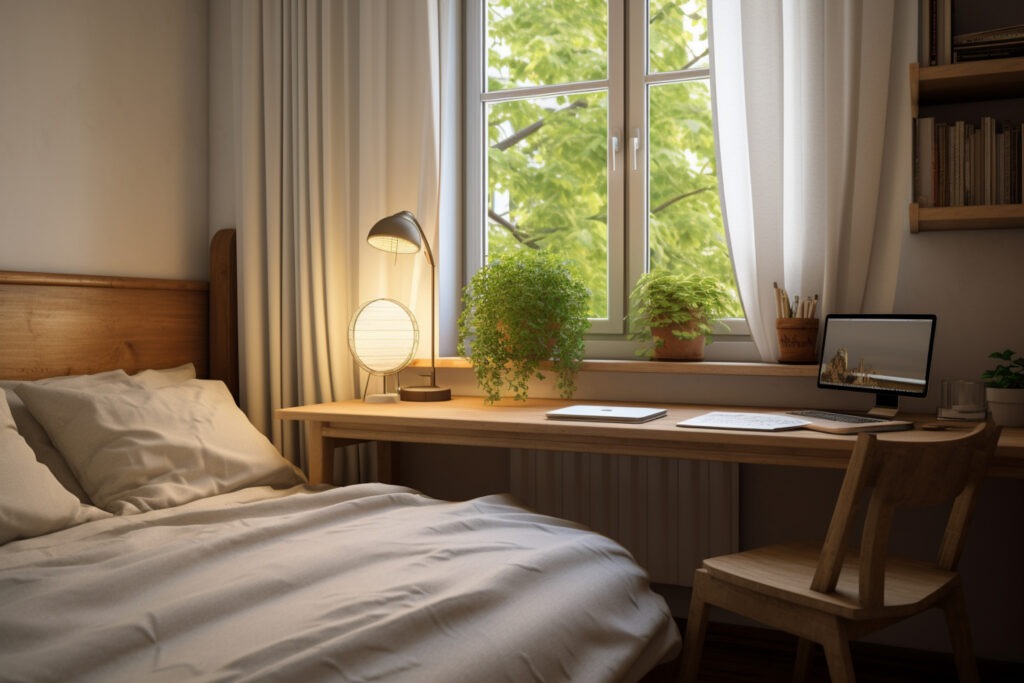
When people struggle with sleep, they often blame stress, diet, or busy schedules. While these factors matter, one overlooked element can make or break your rest: your bedroom environment.
The place where you sleep sets the stage for how quickly you fall asleep, how deeply you rest, and how refreshed you feel in the morning. Even small tweaks to lighting, noise, or temperature can transform your sleep quality. In this article, we’ll explore why your bedroom environment matters more than you think—and how to optimize it for restorative rest.
The Science of a Sleep-Friendly Bedroom
Your body is finely tuned to environmental cues. Light, sound, and temperature all signal to your brain whether it’s time to stay alert or wind down. When your bedroom works against these natural rhythms, falling asleep becomes difficult.
- Light controls melatonin production, the hormone that tells your body it’s bedtime.
- Noise disrupts the brain’s ability to enter deep sleep.
- Temperature influences comfort and body regulation during rest.
- Comfort from bedding and furniture supports physical relaxation.
By aligning these factors with your natural sleep cycle, you create an environment where rest comes more easily.
Key Elements of a Sleep-Optimized Bedroom
1. Lighting
Exposure to light suppresses melatonin, making it harder to sleep.
- Use blackout curtains to block streetlights.
- Avoid blue light from phones or laptops an hour before bed.
- Consider a warm bedside lamp for reading or winding down.
2. Temperature
The ideal bedroom temperature for sleep is around 18–20°C (65–68°F).
- Too warm → causes sweating and discomfort.
- Too cold → makes it harder to fall asleep.
- Use breathable bedding and adjust seasonally.
3. Noise Control
Even mild noise can fragment sleep.
- Try white noise machines or apps to mask disturbing sounds.
- Use earplugs if you live in a noisy area.
- Add soft furnishings like rugs and curtains to absorb sound.
4. Bedding and Mattress
Your bed is the centerpiece of your sleep environment.
- Invest in a supportive mattress suited to your body type.
- Choose pillows that align with your sleep position.
- Opt for natural, breathable fabrics like cotton or bamboo sheets.
5. Air Quality
Poor ventilation affects oxygen flow and comfort.
- Keep a window slightly open for fresh air, if possible.
- Consider an air purifier to reduce allergens.
- Add indoor plants that improve air quality.
Creating a Relaxing Atmosphere
Beyond the basics, ambiance plays a huge role in helping your body unwind.
- Declutter your space: A tidy room reduces mental stress.
- Use calming scents: Lavender or chamomile essential oils encourage relaxation.
- Personalize with comfort items: A cozy blanket, soft lighting, or familiar décor can make your space more inviting.
Common Mistakes to Avoid
- Keeping a TV in the bedroom, which stimulates the brain.
- Using your bed as an office, blurring the line between work and rest.
- Ignoring small noises, like a ticking clock or buzzing electronics, that disrupt deep sleep.
- Overheating the room with too many blankets or poor ventilation.
Practical Steps to Improve Your Bedroom Tonight
- Dim the lights 1–2 hours before bedtime.
- Set your thermostat to a cooler range.
- Remove digital devices or place them outside your bedroom.
- Replace old pillows and bedding with sleep-friendly materials.
- Add white noise if you live in a noisy environment.
Final Thoughts
Your bedroom isn’t just a place to sleep—it’s a sleep tool. By shaping your environment to support your body’s natural rhythms, you’ll fall asleep faster, stay asleep longer, and wake up more refreshed.
Small adjustments—like blackout curtains, a better mattress, or calming scents—can turn an average bedroom into a true sleep sanctuary. When it comes to restful nights, your environment may matter more than anything else.