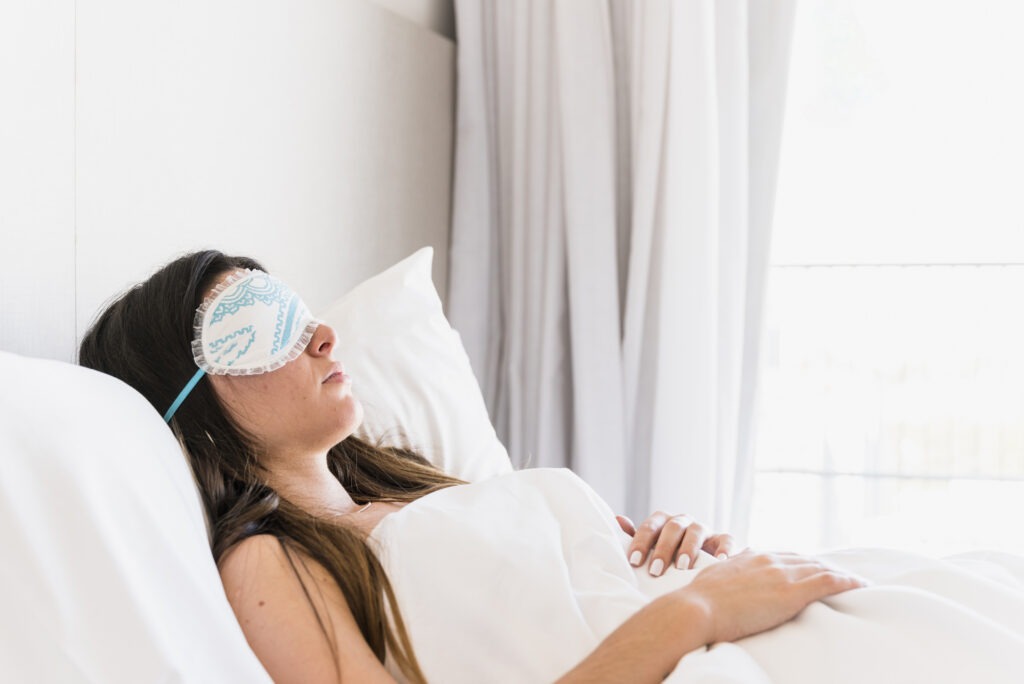
Sleep masks have long been a favorite tool for blocking out light and promoting better rest. But in recent years, weighted eye masks have emerged as a popular upgrade. Much like weighted blankets, these masks use gentle pressure to calm the nervous system and enhance relaxation.
But are they genuinely effective—or just another wellness trend? Let’s break down the science, benefits, and possible drawbacks to help you decide whether a weighted eye mask belongs in your bedtime routine.
How Weighted Eye Masks Work
Weighted eye masks are filled with tiny beads, micro-glass pellets, or natural materials like flaxseed or lavender. This adds gentle, even pressure across the eyes and forehead.
This pressure activates the parasympathetic nervous system, which helps reduce stress hormones and encourages a state of calm. The soothing sensation can mimic acupressure or a light massage, helping you relax and fall asleep more easily.
Benefits of Weighted Eye Masks
- Blocks Light for Better Sleep
Like regular masks, they effectively shut out light, helping your body produce melatonin—the hormone responsible for regulating sleep. - Reduces Stress and Anxiety
The subtle weight provides grounding pressure that can slow your heart rate, relieve tension, and quiet a racing mind. - Eases Eye Strain and Headaches
Weighted masks can feel especially comforting for tired eyes, migraines, or sinus pressure. Some models can even be chilled or warmed for extra relief. - Promotes Deeper Sleep
By combining darkness with calming pressure, weighted masks can minimize distractions and support more restorative sleep.
Who Might Benefit Most?
Weighted eye masks are great for:
- Light sleepers sensitive to even small amounts of light
- People who experience anxiety or restlessness at bedtime
- Those who deal with migraines or sinus discomfort
- Anyone seeking a natural, medication-free way to improve sleep
Potential Drawbacks
Weighted masks aren’t for everyone. Consider the following:
- May Feel Too Heavy — Some people find the pressure uncomfortable or claustrophobic.
- Skin Irritation — A tight or poorly designed mask may leave marks or cause discomfort.
- Not Suitable for Certain Conditions — People with glaucoma, eye injuries, or specific medical concerns should consult a doctor before use.
Tips for Choosing the Right Weighted Eye Mask
- Start with a Lighter Weight (around 8–10 ounces) and adjust based on comfort.
- Pick Breathable, Comfortable Fabrics like cotton, silk, or bamboo.
- Look for Adjustable Straps to ensure a secure but gentle fit.
- Consider Extra Features such as cooling inserts, aromatherapy fillings, or washable covers.
Conclusion
Weighted eye masks aren’t just a trend—they can be a genuinely helpful tool for improving sleep, especially if you struggle with stress, light sensitivity, or difficulty winding down. By combining darkness with gentle pressure therapy, they create a deeply calming sleep environment.
If regular eye masks haven’t given you the results you want, upgrading to a weighted sleep mask might be the small change that makes a big difference in your nightly routine.


 English
  Indonesian
  Chinese