Whether you struggle to fall asleep in a bright bedroom, on an airplane, or during daytime rest, a sleep mask can be a simple yet powerful solution. Far from just a nighttime accessory, a well-designed eye comfort sleep mask can significantly enhance sleep quality, protect your eyes, and create the ideal environment for deep rest.
In this article, we break down the real benefits of sleep masks, how they work, and how to choose the right one for your sleep needs.
How Sleep Masks Improve Sleep
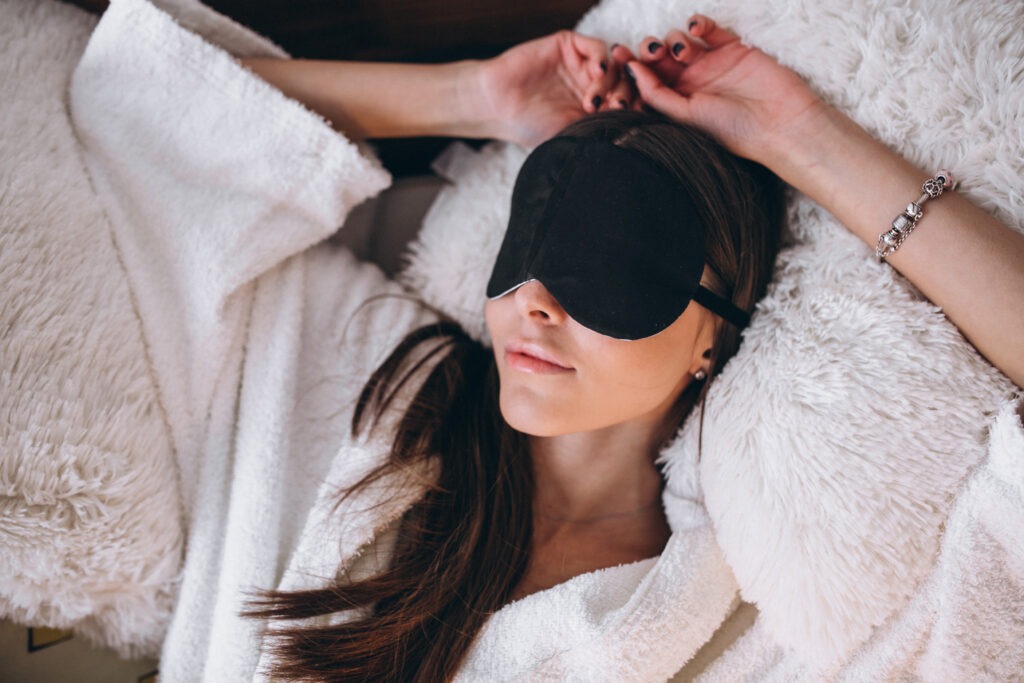
A sleep mask, especially a blackout sleep mask, blocks out unwanted light and sends a clear signal to the brain that it’s time to sleep. Darkness triggers the production of melatonin, the hormone responsible for regulating the sleep-wake cycle. Even small light sources—like phone notifications or hallway lighting—can disrupt circadian rhythms. A sleep mask helps maintain total darkness, which is essential for deeper, uninterrupted sleep.
Benefits of Using a Sleep Mask
- Fall Asleep Faster
By eliminating visual distractions, sleep masks help your body ease into rest more quickly. - Enhance Sleep Quality
Darkness reduces the chance of nighttime awakenings caused by sudden light exposure and supports longer, more restorative sleep cycles. - Improve Eye Comfort
Many modern masks are ergonomically shaped with soft padding to reduce pressure around the eyes, making them ideal for people who want a gentle, comfortable fit. - Great for Travel
Whether on a plane, train, or car, a sleep mask helps recreate a dark sleep environment wherever you go. - Ideal for Shift Workers
Anyone who sleeps during the day can benefit from the intense darkness provided by a blackout sleep mask.
Types of Sleep Masks
- Standard Fabric Masks – Lightweight, affordable, and suitable for everyday use.
- Memory Foam Masks – Contour to the face, offering better blocking of side light.
- Weighted Sleep Masks – Provide gentle pressure that may ease stress and help relaxation.
- Silk Masks – Hypoallergenic, smooth, and ideal for people with sensitive or easily irritated skin.
- 3D Contoured Masks – Designed with eye cavities, giving your eyes space to move without pressure.
Sleep Masks and Eye Health
A high-quality sleep mask for eye health should be breathable, gentle on the skin, and free of excessive pressure. Poor designs may cause irritation or discomfort, but the right materials—like silk or soft cotton—actually protect the delicate skin around the eyes.
For those with dry eyes, a sleep mask can also help block airflow from fans or AC units, preventing moisture loss during sleep.
How to Choose the Best Sleep Mask
When choosing a sleep mask, consider:
- Material – Opt for breathable, skin-friendly fabrics such as silk, cotton, or foam.
- Fit & Adjustability – Straps should be customizable to avoid slipping or tightness.
- Design – Contoured or 3D masks offer more space for blinking and prevent lash compression.
- Purpose – Frequent travelers may prefer lightweight masks, while home users may enjoy padded or weighted options.
Conclusion
The benefits of sleep masks go far beyond simply blocking out light. A good sleep mask supports better rest, deeper sleep, and improved eye comfort, making it one of the easiest and most affordable tools for enhancing your sleep routine.
Whether you need help resting in bright environments, want extra eye protection, or simply aim to improve overall sleep quality, a well-designed sleep mask can make a significant difference.