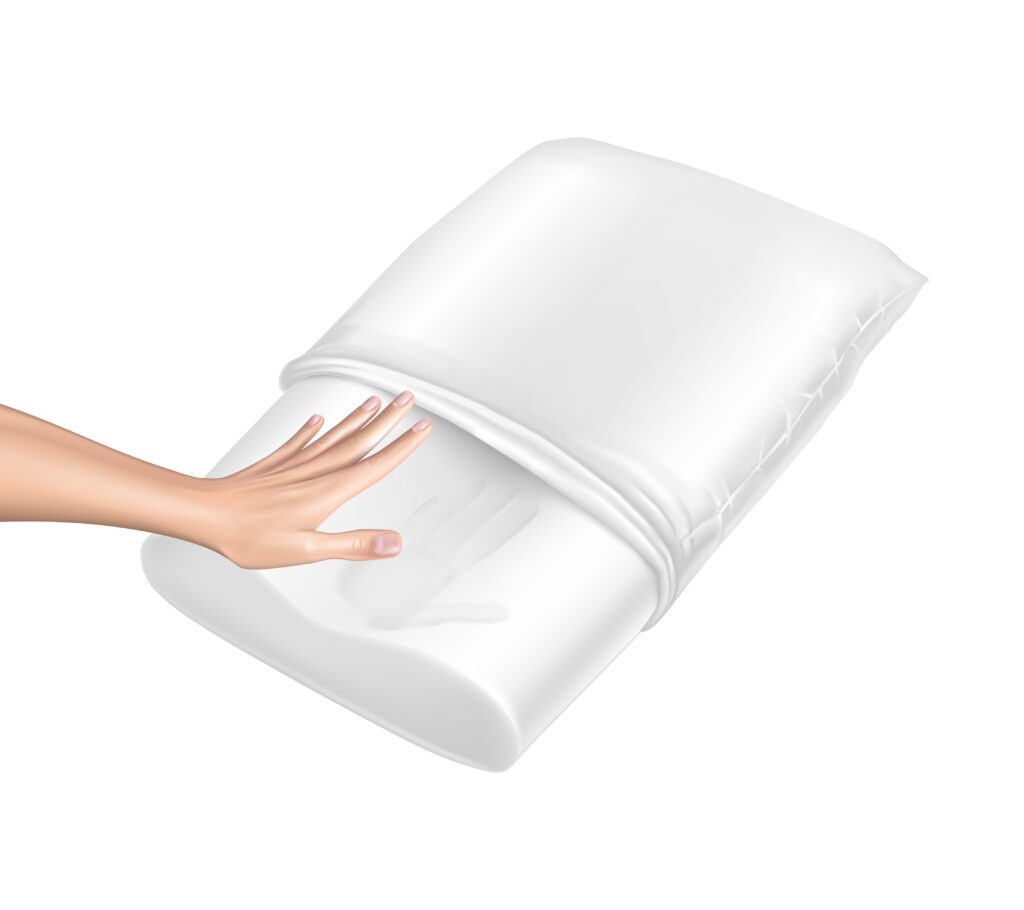
Sleep is no longer just about having a comfortable mattress and soft bedding. With advancements in technology, even something as simple as a pillow has been transformed into a smart device. Enter the smart pillow—an innovative product designed to do more than support your head and neck. These pillows combine comfort with sleep science and technology to improve rest, reduce snoring, and even track sleep quality.
But what makes a pillow “smart”? And does the science behind it actually work? Let’s dive into the details.
What Is a Smart Pillow?
A smart pillow is not your average cushion. While traditional pillows focus solely on comfort and alignment, smart pillows integrate sensors, speakers, and software to create a personalized sleep experience.
Depending on the model, a smart pillow may:
* Monitor your sleep cycles (light, deep, and REM sleep)
* Detect and reduce snoring with vibration or head-position adjustment
* Provide built-in speakers for relaxing sounds or sleep tracking apps
* Sync with smartphones or wearables for detailed data analysis
* Use cooling technology to regulate temperature throughout the night
These features turn a pillow into a sleep-enhancing device designed to improve both quality and comfort.
The Science Behind Smart Pillows
1. Sleep Tracking Technology
Smart pillows often contain motion sensors and accelerometers that monitor movements during sleep. By analyzing your movements and sometimes your breathing patterns, the pillow can estimate how long you spend in each sleep stage.
This data gives you insights into whether you’re getting enough deep sleep or if disturbances (like snoring) are affecting rest.
2. Snoring Detection and Reduction
One of the most innovative features of smart pillows is their ability to address snoring. Using built-in microphones or vibration sensors, the pillow detects snoring sounds. Some models respond by gently adjusting your head’s position or using mild vibrations to encourage you to change posture without waking you up fully.
This approach is backed by studies showing that head and neck positioning plays a major role in airway obstruction, one of the main causes of snoring.
3. Temperature Regulation
Temperature has a huge impact on sleep quality. Smart pillows with cooling gels, airflow systems, or temperature sensors help prevent overheating. Research shows that a cooler sleep environment supports deeper, uninterrupted rest.
4. Sound Therapy Integration
Some smart pillows feature built-in speakers that deliver white noise, nature sounds, or guided meditations. These sounds help mask disruptive noises and promote relaxation. Unlike headphones, these speakers are embedded inside the pillow, ensuring comfort without external devices.
5. AI and Data Feedback
With apps and cloud-based systems, smart pillows can provide personalized feedback. Over time, AI learns your sleep patterns and suggests adjustments—like going to bed earlier, lowering room temperature, or reducing caffeine intake.
Benefits of Smart Pillows
* Better Sleep Quality – By tracking and analyzing sleep, smart pillows help identify issues affecting rest.
* Reduced Snoring – Innovative head-adjustment technology helps minimize disruptions.
* Enhanced Comfort – Ergonomic design plus smart features ensure optimal alignment and relaxation.
* Convenient Relaxation Tools – Built-in sound therapy supports winding down before bed.
* Personalized Insights – Data-driven feedback makes it easier to adopt healthier sleep habits.
Limitations of Smart Pillows
While they’re exciting innovations, smart pillows also have some drawbacks:
* Cost – Significantly more expensive than traditional pillows.
* Accuracy – Sleep tracking from a pillow is less precise than medical-grade equipment.
* Maintenance – Requires charging or occasional updates.
* Not for Everyone – People sensitive to vibrations or technology may find them disruptive.
Do Smart Pillows Really Work?
The effectiveness of a smart pillow depends on the model and how you use it. While they can’t replace medical treatments for serious sleep disorders like sleep apnea, they do offer practical tools for everyday sleepers—especially those struggling with snoring, overheating, or restless nights.
Studies on sleep tracking accuracy suggest consumer devices provide useful trends, even if they’re not as precise as lab tests. Similarly, research on snoring reduction supports the idea that head repositioning can make a noticeable difference.
In other words: smart pillows won’t solve all sleep problems, but they can make meaningful improvements for many users.
Conclusion
The science behind smart pillows shows how technology can transform even the simplest part of our sleep routine. By blending ergonomics, sensors, and data-driven insights, these pillows aim to improve sleep quality, reduce snoring, and help people wake up feeling refreshed.
As sleep technology evolves, smart pillows represent an exciting step toward a future where bedrooms become personalized sleep sanctuaries. Whether you’re a frequent snorer, a data-driven sleeper, or someone curious about the latest innovations, smart pillows might be the perfect upgrade to your nighttime routine.