🌿 What Is Lemon Balm?
Lemon balm (Melissa officinalis) is a fragrant herb from the mint family, long cherished for its soothing aroma and gentle sedative properties.
With a mild lemon scent and pleasant taste, it has been used since ancient Greek and Roman times to treat insomnia, anxiety, and digestive discomfort.
In modern herbal medicine, lemon balm is widely recognized as a natural sleep aid — often found in teas, tinctures, and supplements aimed at promoting calm and relaxation.
But what exactly makes this simple herb so powerful for sleep? Let’s explore the science behind it.
🧬 The Active Compounds That Make Lemon Balm Effective
Lemon balm’s calming power comes from its unique blend of bioactive compounds that influence the central nervous system.
The key components include:
| Compound | Function |
|---|---|
| Rosmarinic acid | Reduces anxiety and promotes GABA activity (a neurotransmitter that calms the brain) |
| Caffeic acid | Acts as an antioxidant, reducing stress-related inflammation |
| Flavonoids & terpenes | Contribute to relaxation and mood stabilization |
| Citral & citronellal | Responsible for its lemon scent and mild sedative effect |
Together, these compounds slow nervous system activity, ease muscle tension, and reduce mental restlessness — all of which are essential for better sleep onset and quality.
🧠 How Lemon Balm Affects the Brain and Sleep
Lemon balm primarily works through its interaction with GABA (gamma-aminobutyric acid) — the brain’s major inhibitory neurotransmitter.
When GABA levels rise, brain activity slows down, leading to reduced anxiety, calm thoughts, and easier sleep.
Lemon balm helps by inhibiting the enzyme GABA transaminase, which normally breaks down GABA.
This means more GABA remains available in the brain, creating a natural calming effect without drowsiness or dependence.
Additionally, lemon balm’s mild antioxidant and anti-inflammatory actions support overall nervous system health, protecting brain cells from stress-related damage.
💤 What Research Says About Lemon Balm and Sleep
While lemon balm has centuries of traditional use, modern science is now validating its benefits through clinical studies.
Here are some notable findings:
- A 2011 study published in Mediterranean Journal of Nutrition and Metabolism found that lemon balm extract reduced insomnia symptoms by 42% and anxiety by 18% in participants after just 15 days.The study concluded that lemon balm promotes both mental calmness and improved sleep continuity.
- Another study from Phytotherapy Research (2014) reported that lemon balm combined with valerian root significantly improved sleep quality and duration in adults with mild to moderate insomnia.Participants also experienced less morning grogginess compared to pharmaceutical sleep aids.
- Animal studies have shown that lemon balm extract increases sleep duration and non-REM sleep, suggesting it enhances natural sleep cycles rather than artificially inducing sedation.
These studies confirm that lemon balm doesn’t act as a strong sedative — instead, it gently supports the body’s natural ability to unwind and fall asleep.
😌 Beyond Sleep: Lemon Balm’s Other Calming Benefits
While best known for its sleep-promoting qualities, lemon balm offers a wide range of nervous system and mood benefits:
- Reduces anxiety and nervous tension→ Lemon balm helps regulate stress hormones and balances mood.
- Eases restlessness and irritability→ Ideal for people with racing thoughts or mild anxiety before bedtime.
- Supports digestive comfort→ Often used in traditional medicine to calm an upset stomach — especially when linked to stress.
- Improves cognitive focus→ Some studies show lemon balm may enhance memory and alertness during the day while promoting relaxation at night.
This dual effect makes it perfect for people with stress-induced insomnia — helping the mind stay sharp in the day and calm at night.
🍵 Best Ways to Use Lemon Balm for Sleep
Lemon balm can be consumed in several soothing forms. Here are the most effective options:
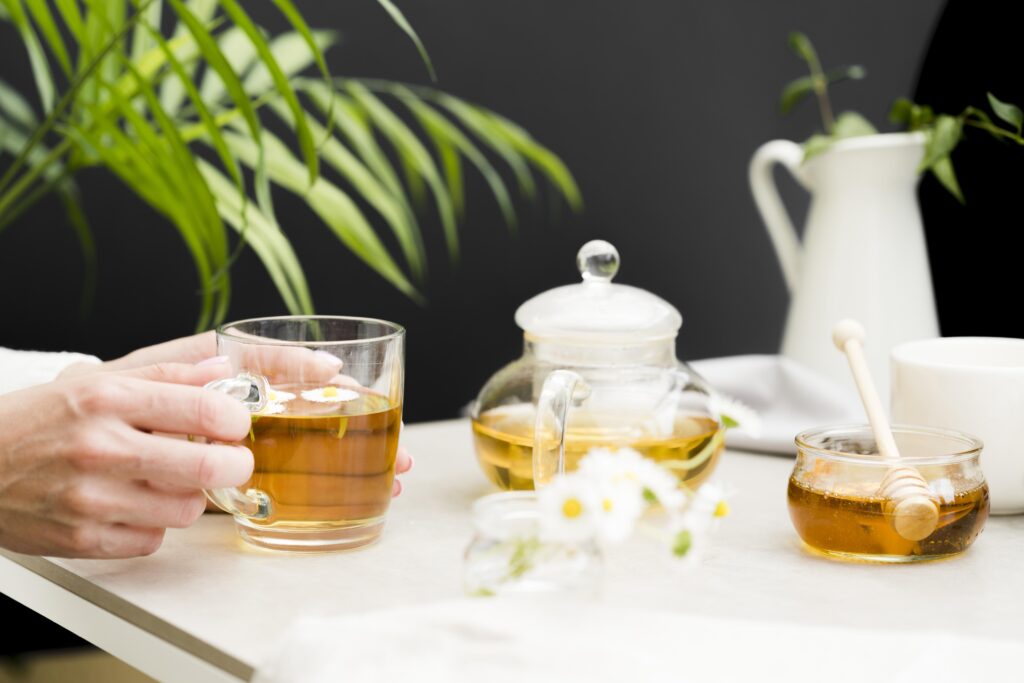
1. Lemon Balm Tea
- Steep 1–2 teaspoons of dried lemon balm leaves in hot water for 10 minutes.
- Drink 30–60 minutes before bed to prepare your body for rest.
- Combine with chamomile or lavender for an extra-calming blend.
2. Lemon Balm Capsules or Extracts
- Available as standardized supplements containing 300–600 mg of extract.
- Ideal for those with moderate insomnia or anxiety symptoms.
- Look for products standardized to contain ≥2% rosmarinic acid for best results.
3. Aromatherapy
- Inhale lemon balm essential oil through a diffuser to ease tension and quiet the mind.
- Blend with clary sage or bergamot for deeper relaxation.
💡 Tip: Avoid boiling the leaves directly — high heat can destroy delicate volatile compounds responsible for lemon balm’s soothing effects.
⚖️ Dosage and Safety Considerations
Lemon balm is generally safe for most adults when used moderately.
Here are key points to remember:
| Form | Recommended Dosage | Notes |
|---|---|---|
| Tea | 1–2 cups daily | Safe for regular use |
| Capsules | 300–600 mg extract before bedtime | Follow product instructions |
| Tincture | 30–40 drops in water | Use 1–2 times daily |
Safety tips:
- Avoid combining with strong sedatives or alcohol, as it may amplify drowsiness.
- Pregnant or breastfeeding women should consult a healthcare provider before use.
- In rare cases, excessive consumption may cause mild nausea or stomach upset.
🌙 Lemon Balm vs. Other Natural Sleep Aids
Lemon balm stands out because it’s both calming and balancing — not overly sedating.
Here’s how it compares to other common sleep remedies:
| Natural Aid | Effect | Best For |
|---|---|---|
| Lemon Balm | Calms nerves, mild sleep aid | Stress-related insomnia |
| Valerian Root | Sedative, extends sleep duration | Difficulty staying asleep |
| Chamomile | Gentle relaxation | Occasional sleeplessness |
| Lavender | Calms mind and body | Anxiety or restlessness |
| Magnesium | Muscle relaxation | Body tension or cramps |
This versatility makes lemon balm an ideal choice for those who want a balanced, non-sedating, and natural solution for better sleep.
🌼 Combining Lemon Balm With Lifestyle Habits
For best results, pair lemon balm with good sleep hygiene practices:
- Maintain a consistent bedtime and wake-up schedule.
- Avoid screens 1 hour before bed.
- Try gentle stretches or meditation with lemon balm aromatherapy.
- Limit caffeine and alcohol, especially in the evening.
These simple habits enhance the herb’s calming effects, helping your body establish a natural rhythm of rest.
🍋 Final Thoughts: A Gentle Ally for Deep Sleep
Lemon balm isn’t just a soothing tea — it’s a powerful botanical tool for nurturing your nervous system and promoting restorative sleep.
Its natural compounds gently quiet the mind, ease anxiety, and prepare your body for the night’s rest.
🌙 In essence: Lemon balm helps you drift into sleep not by force — but by guiding your mind into calmness.
For anyone seeking a safe, natural, and effective way to unwind, lemon balm might just be your new bedtime ritual in a cup.