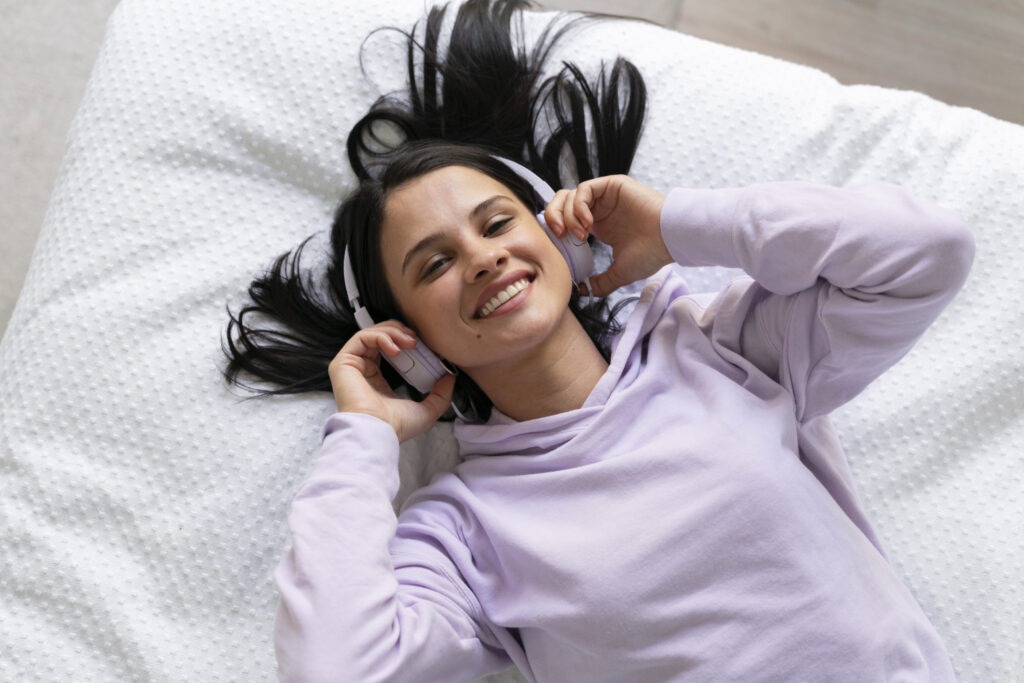
In today’s fast-paced and noisy world, getting a peaceful night’s sleep can be challenging. Whether it’s traffic outside, a snoring partner, or the constant hum of electronics, distractions often make it hard to drift off. Enter sleep headphones — an increasingly popular solution designed to block unwanted sounds, promote relaxation, and create a personal soundscape for rest.
But are sleep headphones as beneficial as they seem? While many users swear by their comfort and noise-blocking features, others find them less than ideal for long-term use. This article will explore the pros and cons of sleep headphones, helping you decide if they’re the right sleep aid for your nighttime routine.
What Are Sleep Headphones?
Sleep headphones are specially designed for comfort and functionality during rest. Unlike regular headphones or earbuds, they are typically flat, soft, and wireless, allowing users to listen to music, white noise, or sleep meditations without discomfort.
They come in several forms:
* Headband-style headphones: Fabric bands with embedded speakers, ideal for side sleepers.
* Bluetooth sleep masks: Combine audio and light-blocking features for deeper rest.
* Ultra-thin earbuds: Small and flexible for those who prefer an in-ear design.
Whether you want to fall asleep to gentle rain sounds or calming music, sleep headphones make it easier to create a tranquil environment.
The Pros of Sleep Headphones
1. Noise Reduction and Privacy
Sleep headphones help mask disruptive noises such as traffic, snoring, or conversations. Many use passive noise isolation, while some premium models feature active noise cancellation (ANC) to block external sounds more effectively.
This noise control allows your brain to relax, helping you fall asleep faster and stay asleep longer — especially in shared or noisy environments.
2. Improved Relaxation and Stress Relief
Listening to soothing audio — like guided meditations, ocean waves, or soft music — can reduce stress and slow your heart rate. Sleep headphones turn your bedtime into a calming ritual, helping you unwind both mentally and physically.
3. Wireless Convenience
Modern sleep headphones are typically Bluetooth-enabled, eliminating tangled cords and allowing freedom of movement during sleep. You can roll, stretch, or change positions without worrying about cables.
4. Ideal for Travel
If you travel often, sleep headphones are a game-changer. They can block airplane noise or hotel hallway chatter, helping you rest on long flights or in unfamiliar places. Compact and portable, they easily fit into a carry-on bag or purse.
5. Versatility Beyond Sleep
Many users also enjoy using sleep headphones for **relaxation sessions, meditation, or yoga**. Some models even double as workout headbands, making them a multi-purpose investment.
The Cons of Sleep Headphones
1. Comfort Issues for Side Sleepers
While many models claim to be side-sleeper-friendly, not all deliver. Some may still cause ear pressure or discomfort if you rest on your side for hours. Choosing the right fit and material is key to avoiding pain or irritation.
2. Battery Life Limitations
Most sleep headphones run on rechargeable batteries that last between 6 to 10 hours. While that’s often enough for a full night’s sleep, longer recordings or forgotten charging can lead to mid-night interruptions.
3. Maintenance and Hygiene
Because they’re worn close to your face and ears, sleep headphones require regular cleaning to prevent bacteria buildup. Sweat, oils, and moisture can affect sound quality and durability over time.
4. Potential Hearing Risks
Listening at high volumes — even to relaxing sounds — can still damage hearing over time. Experts recommend keeping volume at or below 60% of the maximum level to protect your ears during prolonged use.
5. Connectivity and Compatibility Issues
Bluetooth connectivity can sometimes drop, especially with budget models. In addition, some devices may not sync properly, leading to frustration or inconsistent audio quality.
Tips for Choosing the Right Sleep Headphones
To enjoy the full benefits while minimizing drawbacks, consider the following when shopping:
1. Prioritize Comfort: Look for memory foam, silk, or breathable fabric materials.
2. Check Battery Life: Choose models with at least 8–10 hours of playback.
3. Sound Quality: Look for balanced audio that supports soft bass and clear treble.
4. Wireless Range: Ensure stable Bluetooth connectivity of at least 10 meters.
5. Ease of Cleaning: Removable fabric covers or washable headbands are ideal.
6. Noise Control: Decide between passive isolation or active noise cancellation depending on your environment.
Popular brands such as AcousticSheep SleepPhones, Manta Sleep Mask Sound, and MUSICOZY Bluetooth Headbands are praised for balancing comfort, durability, and sound clarity.
Who Should Use Sleep Headphones?
Sleep headphones are ideal for:
* Light sleepers who wake easily to noise.
* Travelers who need portable relaxation tools.
* Meditators who use audio guidance.
* Couples with differing bedtime habits.
However, they may not be ideal for individuals prone to ear infections, skin sensitivity, or discomfort with head pressure.
Conclusion
Sleep headphones can transform the way you rest — offering peace, comfort, and focus in a world filled with distractions. They promote relaxation, help you manage stress, and create a soothing auditory experience tailored to your preferences.
However, they’re not perfect. Battery life, maintenance, and comfort challenges can be drawbacks for some users. Ultimately, finding the right pair depends on your sleeping position, sound preferences, and lifestyle.
If you struggle with noise or restless nights, sleep headphones might just be the quiet solution you’ve been searching for.