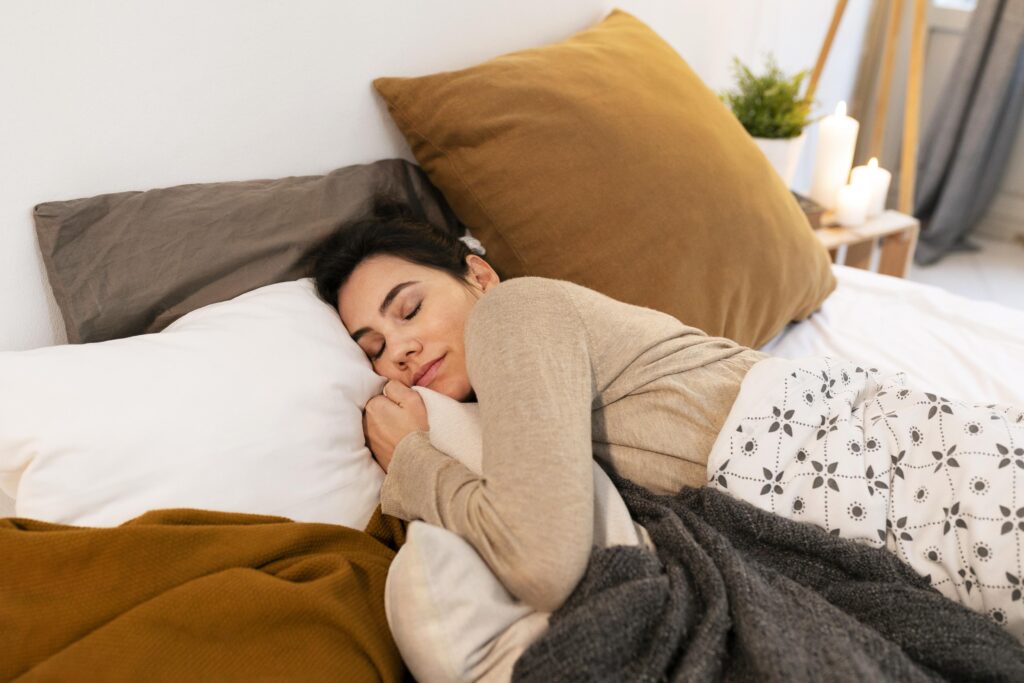
In our modern world of screens, artificial lighting, and busy routines, sleep quality is suffering more than ever. One of the simplest, most natural remedies may lie just outside your window: exposure to nature. Studies show that spending time outdoors can significantly improve sleep quality, helping you fall asleep faster, stay asleep longer, and wake up feeling refreshed.
This article explores the fascinating link between nature exposure and sleep, highlighting both the scientific evidence and practical ways to bring more nature into your daily life.
The Science Behind Nature and Sleep
- Natural Light Regulates Circadian Rhythm
- Exposure to sunlight, especially in the morning, signals your brain to regulate melatonin production—the hormone that makes you sleepy at night.
- Consistent natural light exposure helps reset your internal clock, improving sleep-wake cycles.
- Fresh Air and Oxygen Flow
- Outdoor environments typically have cleaner, fresher air compared to indoor spaces.
- Better oxygen levels enhance relaxation and reduce the likelihood of sleep disturbances.
- Reduction in Stress and Cortisol
- Time in green spaces lowers stress hormones like cortisol.
- Lower stress levels translate into calmer nights and deeper sleep.
- Nature Sounds as Sleep Aids
- The gentle rustle of leaves or flowing water naturally lowers blood pressure and induces relaxation.
- These sounds mimic “white noise,” promoting uninterrupted sleep.
Evidence from Research
- A study in Preventive Medicine found that people who live near green spaces report fewer cases of insomnia and better overall sleep quality.
- Research in Current Biology showed that camping in natural settings without artificial light quickly resets circadian rhythms, leading to earlier bedtimes and longer sleep.
Practical Ways to Use Nature for Better Sleep
1. Morning Sunlight Ritual
Spend 15–30 minutes outdoors each morning. Even a short walk can help synchronize your body clock.
2. Green Space Walks
Regularly visit parks, forests, or gardens. The combination of movement, fresh air, and natural surroundings supports both physical and mental health.
3. Indoor Nature Elements
If daily outdoor exposure isn’t possible, bring nature indoors with houseplants, natural light, or nature-inspired décor. Studies show indoor greenery also reduces stress.
4. Outdoor Exercise
Combine the sleep benefits of exercise with nature exposure by jogging, cycling, or practicing yoga outside.
5. Nature-Inspired Sleep Sounds
Use recordings of rain, ocean waves, or forest sounds at night to mimic calming outdoor environments.
Signs Nature Exposure is Improving Your Sleep
- Falling asleep faster at night.
- Reduced nighttime awakenings.
- Feeling more refreshed in the morning.
- Noticeable mood improvements during the day.
Final Thoughts
Nature exposure is a simple yet powerful tool for better sleep. Whether it’s soaking in morning sunlight, walking in a park, or bringing plants into your home, connecting with the natural world can reset your circadian rhythm, reduce stress, and create the perfect conditions for deep, restorative rest.
Tonight, take a step outside—you might find that the path to better sleep starts with just a breath of fresh air.