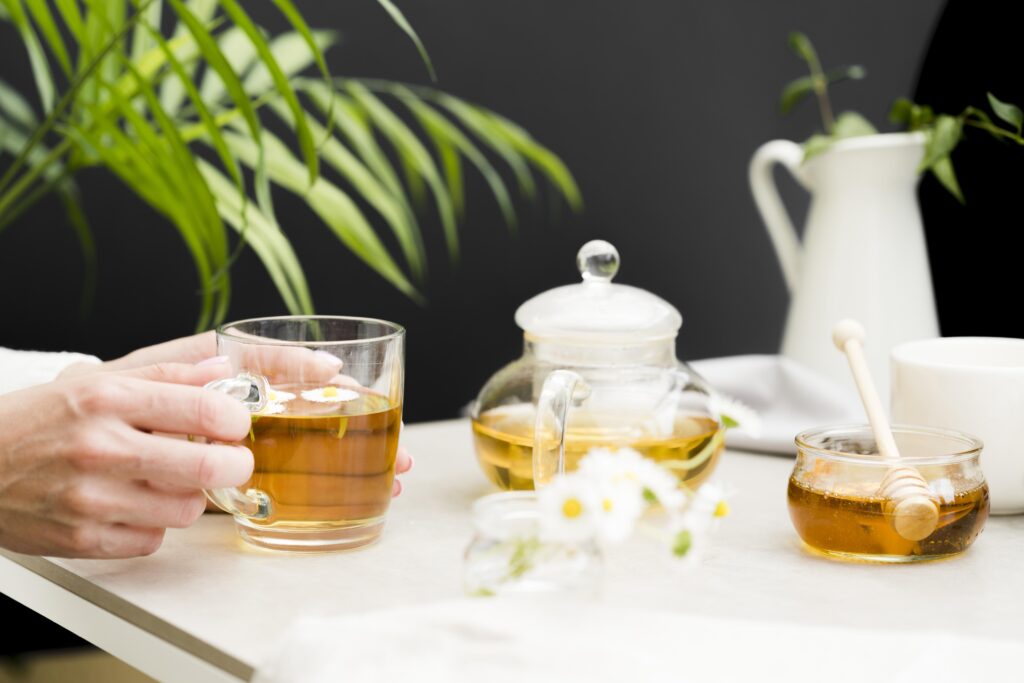
For centuries, people have turned to herbal teas as natural remedies for relaxation and sleep. Unlike caffeinated drinks that keep you alert, herbal teas contain calming compounds that soothe the nervous system and prepare the body for rest.
If you struggle with falling asleep or staying asleep, incorporating the right herbal teas into your nighttime routine may help you enjoy a deeper, more restorative slumber. Let’s explore the best options and how they work.
1. Chamomile Tea – The Classic Sleep Aid
Chamomile is one of the most popular herbal teas for sleep. It contains apigenin, an antioxidant that binds to certain receptors in the brain, promoting sleepiness and reducing insomnia symptoms.
- Light, floral flavor.
- Works best when consumed 30–45 minutes before bedtime.
- Also aids digestion and reduces anxiety.
2. Valerian Root Tea – Nature’s Sedative
Valerian root has been used for centuries as a natural sleep aid. Studies suggest it increases GABA levels in the brain, which helps calm the nervous system.
- Strong, earthy flavor (often blended with other herbs).
- Especially helpful for people with mild insomnia or nighttime anxiety.
- May take a few weeks of regular use to show full benefits.
3. Lavender Tea – Fragrance That Calms the Mind
Lavender is known for its relaxing scent, but when brewed into tea, it also has soothing effects. It helps reduce stress and anxiety, making it easier to drift off naturally.
- Light, floral taste with a subtle sweetness.
- Can also reduce headaches and muscle tension.
- Ideal for those who enjoy aromatherapy alongside bedtime rituals.
4. Lemon Balm Tea – Gentle Relaxation
A member of the mint family, lemon balm tea is known for its calming and mood-enhancing properties. It’s particularly effective at reducing stress, one of the leading causes of insomnia.
- Refreshing, slightly citrusy flavor.
- Works well as a daily evening tea.
- Can also improve cognitive function and ease indigestion.
5. Passionflower Tea – For Quieting the Mind
Passionflower is another herb that increases GABA activity, helping to relax the brain and body. It’s especially useful for people whose racing thoughts keep them awake.
- Mild, grassy flavor.
- Works best when combined with valerian or chamomile.
- Great for calming restlessness and improving sleep quality.
6. Peppermint Tea – Cooling and Calming
While not a sedative, peppermint tea promotes relaxation by easing digestion and soothing muscle tension. It’s an excellent choice for people who experience discomfort or bloating at night.
- Crisp, refreshing taste.
- Naturally caffeine-free.
- Helps clear sinuses, making it easier to breathe while sleeping.
Tips for Drinking Herbal Tea for Sleep
- Brew Properly: Steep herbs for 5–10 minutes to extract maximum benefits.
- Avoid Sweeteners: Sugar may interfere with sleep; opt for natural sweetness.
- Create a Ritual: Enjoying tea in a calm, dimly lit space helps your body associate it with bedtime.
- Consistency Matters: Drinking herbal tea nightly can train your body to wind down.
Final Thoughts
The best herbal teas for sleep offer more than relaxation—they create a calming ritual that signals your body it’s time to rest. Whether you choose chamomile for its gentle touch, valerian root for stronger effects, or lavender for its fragrance, these teas can naturally enhance your sleep quality.
Instead of relying solely on supplements or medications, consider a simple cup of tea as your nightly gateway to peace and deep rest.