🌙 The Connection Between Sleep Hygiene and Environment
Quality sleep isn’t just about what time you go to bed—it’s also about where and how you sleep. The concept of sleep hygiene refers to the habits and environmental factors that promote healthy, restful sleep.
This includes everything from maintaining a consistent bedtime to keeping your room dark, cool, and quiet. But thanks to modern innovation, smart homes are taking sleep hygiene to an entirely new level.
From smart thermostats that maintain ideal room temperature to AI-powered lighting systems that mimic natural sunlight, technology now plays a key role in helping people achieve better sleep.
💡 What Is a Smart Home?
A smart home is an interconnected system of devices that automate and optimize daily tasks through sensors, apps, and artificial intelligence.
These devices communicate with each other via Wi-Fi or smart hubs like Google Home, Amazon Alexa, or Apple HomeKit, allowing users to control lighting, temperature, sound, and more—all from their phone or voice commands.
When applied to sleep, smart homes become powerful tools for creating an environment perfectly tuned to your body’s circadian rhythm.
🌡️ Smart Thermostats: Keeping the Ideal Temperature
Temperature has a significant impact on sleep quality. Studies show that the optimal room temperature for sleep is around 18–20°C (65–68°F). Too hot or too cold, and your body struggles to stay in deep sleep stages.
Smart thermostats, such as Nest or Ecobee, automatically adjust the temperature during the night based on your preferences, habits, and even local weather.
For example:
- They can cool your room gradually as bedtime approaches.
- They reduce energy use while maintaining comfort.
- They sync with your sleep schedule, warming up the room just before you wake.
This automation ensures your body temperature stays within the range that encourages deep, restorative sleep.
💡 Smart Lighting: Mimicking Natural Daylight
Light plays one of the biggest roles in regulating your circadian rhythm, the internal clock that tells your body when to sleep and wake.
Smart lighting systems—like Philips Hue, Nanoleaf, or LIFX—allow you to program your home’s lights to support natural sleep patterns.
For instance:
- In the evening, lights can gradually dim and shift to warmer tones, signaling your body that it’s time to wind down.
- In the morning, lights can mimic sunrise, helping you wake up naturally without harsh alarms.
Some systems even integrate with sleep tracking apps to automatically adjust brightness based on your sleep data.
This light management reduces melatonin disruption and makes falling asleep—and waking up—more effortless.
🔊 Smart Sound and White Noise Devices
Noise is another critical factor in sleep hygiene. Sudden or irregular sounds can interrupt deep sleep, even if you don’t fully wake up.
Smart home devices like sound machines, sleep speakers, or smart assistants can play white noise, nature sounds, or calming music to mask external disturbances.
For example:
- Smart speakers like Amazon Echo or Google Nest Audio can play sleep playlists or relaxation sounds automatically at bedtime.
- Some devices analyze ambient noise levels and adjust volume dynamically to maintain a consistent sound environment.
These small changes create a cocoon of calm, perfect for uninterrupted rest.
💤 Smart Beds and Sleep Tracking Integration
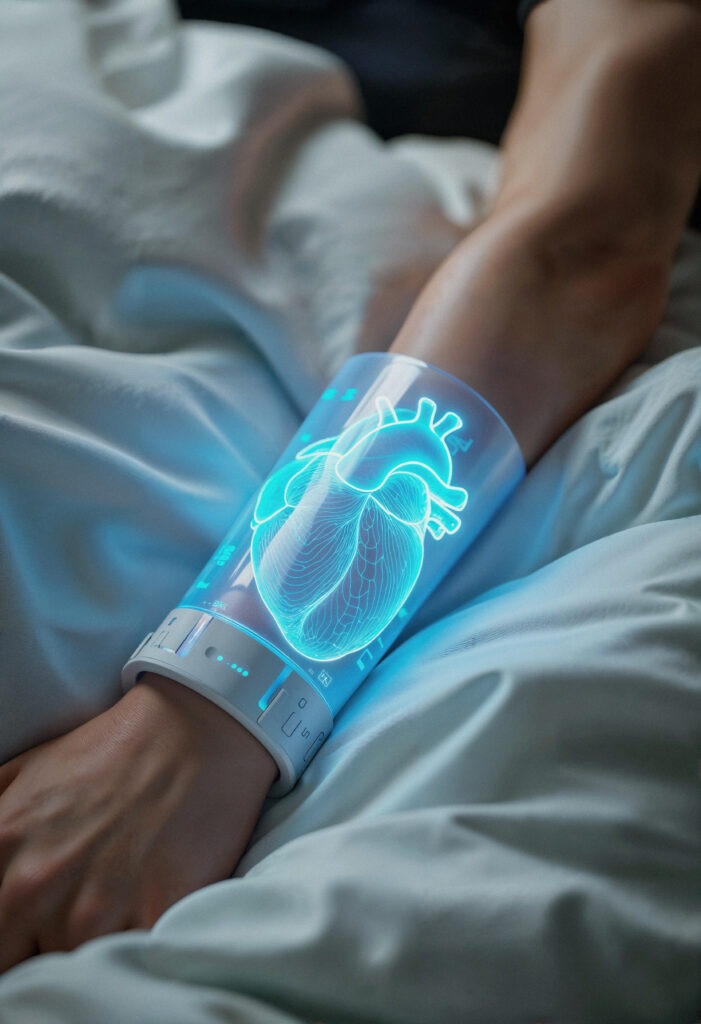
Modern smart homes often include smart beds or sleep sensors that track heart rate, breathing, and movement throughout the night.
Devices like Sleep Number 360 or Withings Sleep Analyzer use this data to:
- Automatically adjust mattress firmness or position.
- Sync with lighting and thermostat systems for optimal comfort.
- Provide detailed sleep insights through companion apps.
By combining these tools, your bedroom becomes a personalized ecosystem designed to help your body stay in its healthiest rhythm.
🧠 AI and Automation: Personalized Sleep Routines
The most advanced smart homes use AI (Artificial Intelligence) to learn your habits and optimize your environment automatically.
Imagine this scenario:
- At 10 p.m., your home’s AI detects you’re preparing for bed.
- It dims the lights, lowers the temperature, and starts playing soft music.
- Your smart lock ensures all doors are secured, and your phone automatically goes into Do Not Disturb mode.
This seamless automation eliminates decision fatigue and makes relaxation effortless—encouraging consistency, which is the foundation of good sleep hygiene.
⚠️ Potential Drawbacks to Consider
While smart homes can enhance sleep quality, they’re not without downsides:
- Overreliance on tech: Too much automation can make you dependent on gadgets for relaxation.
- Privacy concerns: Smart devices often collect sensitive behavioral and biometric data.
- Cost barriers: High-quality systems can be expensive to install and maintain.
To use smart tech wisely, focus on simple integrations that directly support your sleep routine—like lighting and temperature—before investing in complex setups.
🌟 Tips for Using Smart Home Tech to Improve Sleep Hygiene
- Automate your bedtime: Set routines to dim lights and lower the temperature automatically.
- Use warm light colors at night: Avoid blue or white tones after sunset.
- Keep devices silent: Enable night mode on phones and smart speakers.
- Track your sleep trends: Use data from wearables or smart beds to adjust your environment.
- Maintain consistency: Go to bed and wake up at the same time daily, even with automation.
🌌 Final Thoughts
Smart homes and sleep hygiene are a perfect match for the modern world. With intelligent control over light, temperature, and sound, smart technology can help your body follow its natural sleep rhythm and improve rest quality.
However, technology should complement—not replace—healthy sleep habits. Maintaining a consistent bedtime, avoiding caffeine late in the day, and disconnecting from screens are still essential for restorative sleep.
Used mindfully, smart home systems can transform your bedroom into a sanctuary of rest—where comfort, calm, and technology work together to help you sleep better every night.