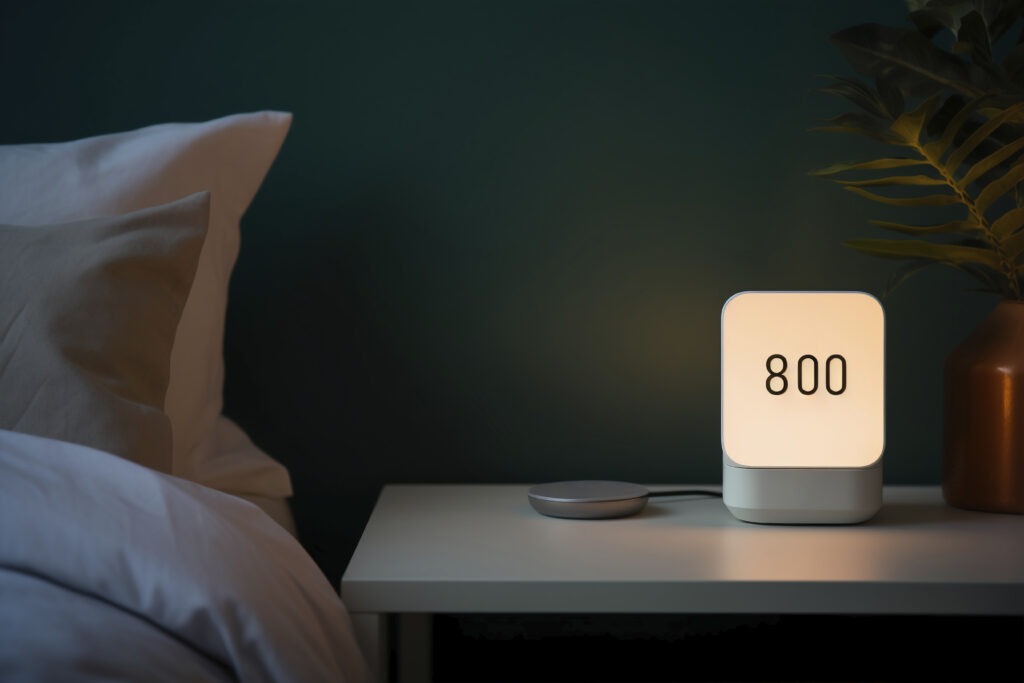
A Smarter Way to Start the Day
Mornings can set the tone for your entire day. If you’ve ever been jolted awake by a harsh alarm, you know how disorienting it feels—your heart races, your body tenses, and your mind struggles to catch up. Traditional alarms may get the job done, but they often interrupt deep sleep cycles, leaving you groggy and irritable.
Enter smart alarms, a growing trend in sleep technology. These devices are designed to wake you up more naturally, often by simulating sunrise, analyzing your sleep cycles, or using gentle sounds. Instead of forcing you awake, they nudge your body into wakefulness at the right moment.
But how do smart alarms work, and are they worth the switch? Let’s break it down.
What Are Smart Alarms?
A smart alarm is a device or app that uses advanced technology to wake you up more gently and effectively. Unlike traditional alarms that blast loud sounds at a set time, smart alarms:
* Track your sleep cycle using sensors or wearable devices.
* Simulate natural light to align with your circadian rhythm.
* Play soothing sounds like birdsong, soft chimes, or ocean waves.
* Offer customizable features, such as gradual volume increases.
These alarms aim to wake you during the lightest stage of sleep, when your body is closest to natural wakefulness. This reduces sleep inertia—the grogginess you feel after being abruptly awakened.
The Science Behind Gentle Wake-Ups
Your body follows a circadian rhythm, a 24-hour internal clock that regulates sleep and wake cycles. Light exposure plays a major role in this process, signaling your brain when it’s time to sleep or wake.
Smart alarms use this knowledge in several ways:
1. Sleep Cycle Detection
Some smart alarms pair with wearables like fitness trackers to monitor movement, breathing, and heart rate. This helps identify whether you’re in deep, light, or REM sleep. The alarm then chooses the optimal time (within a set window, like 30 minutes) to wake you up.
2. Sunrise Simulation
Sunrise alarm clocks gradually brighten your room, mimicking natural sunlight. This triggers your brain to reduce melatonin (the sleep hormone) and increase cortisol, preparing your body to wake up naturally.
3. Sound Therapy
Instead of shrill beeping, smart alarms use calming sounds that gradually increase in volume. This creates a gentle transition from sleep to wakefulness.
Benefits of Smart Alarms
Switching to a smart alarm can have several positive effects on your health and daily performance:
* Reduced Grogginess – By waking you during light sleep, smart alarms minimize sleep inertia.
* Improved Mood – Gentle wake-ups help lower stress and anxiety in the morning.
* Better Sleep Quality – With cycle tracking, you avoid unnecessary disruption during deep sleep.
* Enhanced Productivity – Starting the day calmly improves focus and energy.
* Alignment with Circadian Rhythm – Light-based alarms help regulate your body’s natural clock.
Popular Types of Smart Alarms
1. Sunrise Alarm Clocks
These bedside devices gradually brighten to simulate dawn. Many also include natural sounds or radio options.
2. Wearable-Connected Alarms
Paired with smartwatches or fitness trackers, they monitor sleep patterns and wake you at the right time.
3. App-Based Smart Alarms
Mobile apps use your phone’s sensors or microphone to track sleep cycles and offer customizable alarm tones.
4. Integrated Smart Home Alarms
Some systems sync with smart lights, thermostats, and speakers, creating a personalized wake-up environment.
Potential Drawbacks
While smart alarms have many benefits, they may not be perfect for everyone:
* Cost – Advanced sunrise clocks and wearable-linked alarms can be expensive.
* Accuracy Issues – Not all devices measure sleep stages with clinical precision.
* Dependence on Technology – Some users may become too reliant on gadgets.
* Room Conditions – Sunrise alarms may be less effective in very bright or noisy environments.
Do Smart Alarms Really Work?
Research supports the effectiveness of light-based wake-ups and sleep cycle monitoring for improving morning alertness. However, results vary depending on lifestyle, sleep quality, and device accuracy.
If you often feel groggy despite getting enough hours of sleep, a smart alarm could be the missing piece in your routine. Pairing it with healthy habits—like limiting screen time at night, keeping a consistent sleep schedule, and creating a calm bedroom environment—can amplify its benefits.
Conclusion
So, do smart alarms that wake you gently actually make a difference? The answer is yes—especially if you struggle with morning grogginess or harsh wake-ups. By respecting your natural rhythms, smart alarms transform the way you start your day: calmer, more focused, and better prepared.
Whether you choose a sunrise alarm clock, a wearable-connected alarm, or an app-based version, the goal is the same: to make mornings less about jarring noises and more about natural transitions from rest to wakefulness.
If you’re ready to upgrade your mornings, a smart alarm could be one of the simplest yet most impactful investments in your sleep health.