🌙 What Is Sleep Paralysis?
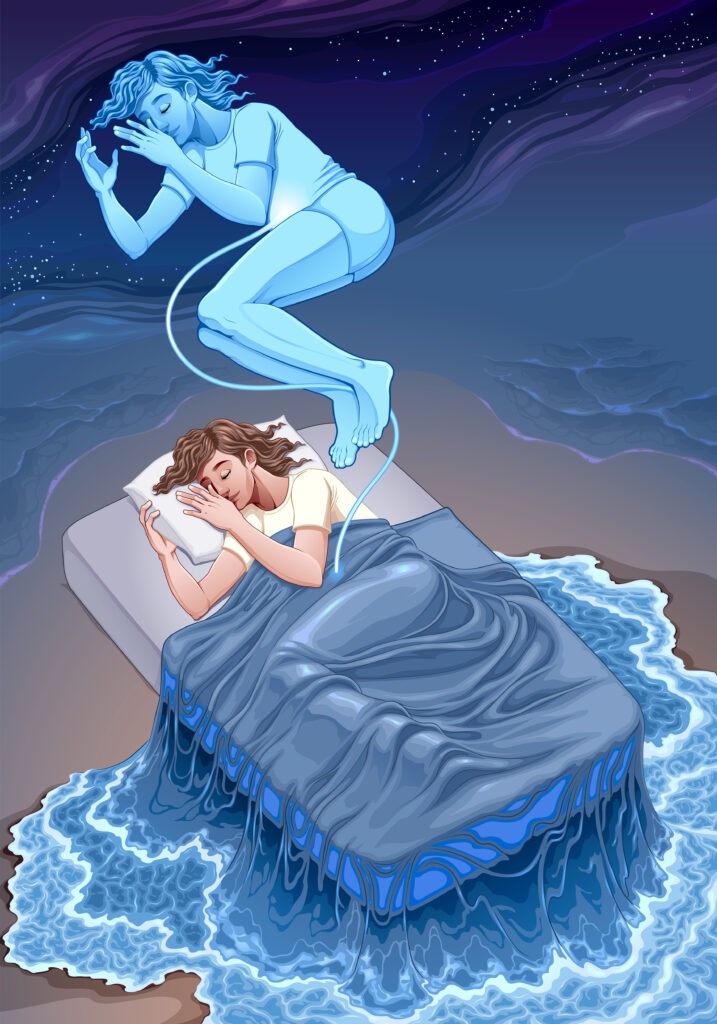
Imagine waking up in the middle of the night — completely aware, but unable to move or speak.
You try to scream, but no sound comes out. You might even sense a presence in the room or feel pressure on your chest.
This terrifying experience is known as sleep paralysis, a condition that bridges the line between dreaming and wakefulness.
It affects roughly 1 in 4 people at least once in their lifetime, though for some, it can occur frequently.
While ancient myths once blamed demons, spirits, or alien encounters, modern neuroscience paints a very different picture.
Sleep paralysis isn’t supernatural — it’s a glitch in the body’s sleep system.
🧠 The Science Behind Sleep Paralysis
To understand sleep paralysis, we first need to explore the sleep cycle — particularly REM sleep (Rapid Eye Movement).
During REM sleep:
- The brain is highly active (dreaming occurs).
- The body undergoes muscle atonia — a temporary paralysis that prevents you from physically acting out dreams.
- Heart rate and breathing may fluctuate slightly, similar to waking states.
Sleep paralysis happens when your brain wakes up before your body does.
You become conscious while the body is still in REM atonia — the “off switch” for muscles remains active, even though your mind is alert.
This creates a frightening mismatch:
🧠 Awake mind + 😶 Paralyzed body = 😨 Sleep paralysis episode.
⚡ What Actually Happens During an Episode
A typical sleep paralysis episode lasts a few seconds to two minutes, but it can feel much longer.
Common symptoms include:
- Inability to move or speak
- A feeling of pressure on the chest
- Difficulty breathing (due to shallow REM breathing)
- Vivid hallucinations — seeing, hearing, or sensing “entities”
- Intense fear or panic
Scientists call these hypnagogic (before sleep) or hypnopompic (after waking) hallucinations.
They occur because your brain is half-dreaming, half-awake — blending dream imagery with the real environment.
👻 Myths and Cultural Interpretations
Across cultures, sleep paralysis has been linked to mysterious or spiritual explanations for centuries.
Here are some of the most common myths — and what science says about them.
🕯️ Myth 1: A Demon or Spirit Is Sitting on Your Chest
In medieval Europe, people described the experience as an “incubus” — a demon pressing down on their chest at night.
In Japan, it’s called kanashibari; in Indonesia, ketindihan (literally “pressed upon”).
Scientific Explanation:
The sensation of chest pressure is caused by restricted breathing and REM muscle paralysis, not a supernatural presence.
Your chest muscles still move slightly to help you breathe, but you can’t take deep breaths — which can trigger panic.
👁️ Myth 2: It’s a Paranormal Experience
Many who experience sleep paralysis report seeing shadowy figures, glowing eyes, or ghost-like forms.
These visions feel intensely real because your dream centers (amygdala and visual cortex) are still active.
Scientific Explanation:
Hallucinations during paralysis are dream imagery spilling into wakefulness.
When combined with fear and immobility, your brain interprets this as a threatening presence — even when nothing is there.
🛸 Myth 3: Alien Abduction Memories Come from Sleep Paralysis
Some “alien abduction” stories begin with people waking up paralyzed, seeing bright lights, and feeling a force around them.
Scientific Explanation:
Researchers believe many alien abduction accounts stem from recurrent sleep paralysis episodes paired with vivid hallucinations and disorientation.
🧬 Why Sleep Paralysis Happens
Although anyone can experience sleep paralysis, certain factors increase the risk.
Common triggers include:
- Sleep deprivation or irregular sleep schedules
- Stress and anxiety
- Sleeping on your back (supine position increases airway pressure)
- Narcolepsy or other sleep disorders
- Substance use or certain medications
Sleep paralysis occurs when REM sleep is fragmented — your brain “wakes up” prematurely or can’t transition smoothly between stages.
🔁 The Sleep Paralysis Cycle
For frequent sufferers, a feedback loop can develop:
- You experience an episode.
- You fear going to sleep again.
- Anxiety disrupts sleep quality.
- Poor sleep increases the likelihood of another episode.
This creates a cycle of insomnia and fear, often leading to exhaustion or stress-related symptoms.
🩺 How to Prevent Sleep Paralysis
While the experience is frightening, sleep paralysis itself is harmless and not life-threatening.
With lifestyle adjustments and awareness, most people can greatly reduce or even eliminate episodes.
1. Maintain a Consistent Sleep Schedule
Going to bed and waking up at the same time daily keeps REM cycles stable and reduces disruptions.
2. Improve Sleep Hygiene
Avoid caffeine, alcohol, and heavy meals before bed. Keep the room dark, cool, and quiet.
3. Change Your Sleeping Position
Sleeping on your side instead of your back can lower the risk of paralysis episodes.
4. Manage Stress and Anxiety
Relaxation techniques — such as meditation, deep breathing, or light stretching — help calm the nervous system before sleep.
5. Track Sleep Patterns
Use sleep tracking devices or apps to monitor sleep stages. These can help identify irregularities and patterns leading up to episodes.
6. Seek Medical Advice if Frequent
If paralysis happens multiple times a week or is accompanied by excessive daytime sleepiness, consult a sleep specialist.
It may be a sign of narcolepsy or another REM-related disorder.
🔬 How Technology Helps Study Sleep Paralysis
Sleep researchers use advanced tools to understand and monitor sleep paralysis:
- EEG headbands record brainwave transitions between REM and wake states.
- Wearable sleep trackers detect micro-awakenings and muscle atonia patterns.
- AI-based sleep apps analyze nightly data to detect REM instability and stress correlations.
These insights help scientists design personalized therapies and preventive techniques — bridging ancient fears with modern neuroscience.
🧘 Coping During an Episode
If you find yourself experiencing sleep paralysis, here are practical steps to reduce panic:
- Focus on slow, steady breathing — it helps calm the body and signals the brain you’re safe.
- Try to move small muscles first — like your fingers or toes — to break paralysis.
- Remind yourself: This is temporary and harmless.
- Keep a small nightlight or ambient lamp — gentle light can reduce fear upon waking.
Over time, understanding the mechanism helps replace fear with control and awareness.
🌅 The Truth Beyond the Myths
Sleep paralysis has haunted humanity for centuries, inspiring ghost stories and legends across cultures.
But today, science offers a comforting truth: it’s not a curse or possession — it’s a brief neurological mismatch that reveals how powerful and complex our sleep system truly is.
By improving sleep habits, reducing stress, and leveraging sleep-monitoring technology, you can regain peaceful, uninterrupted nights — free from fear and full of understanding.