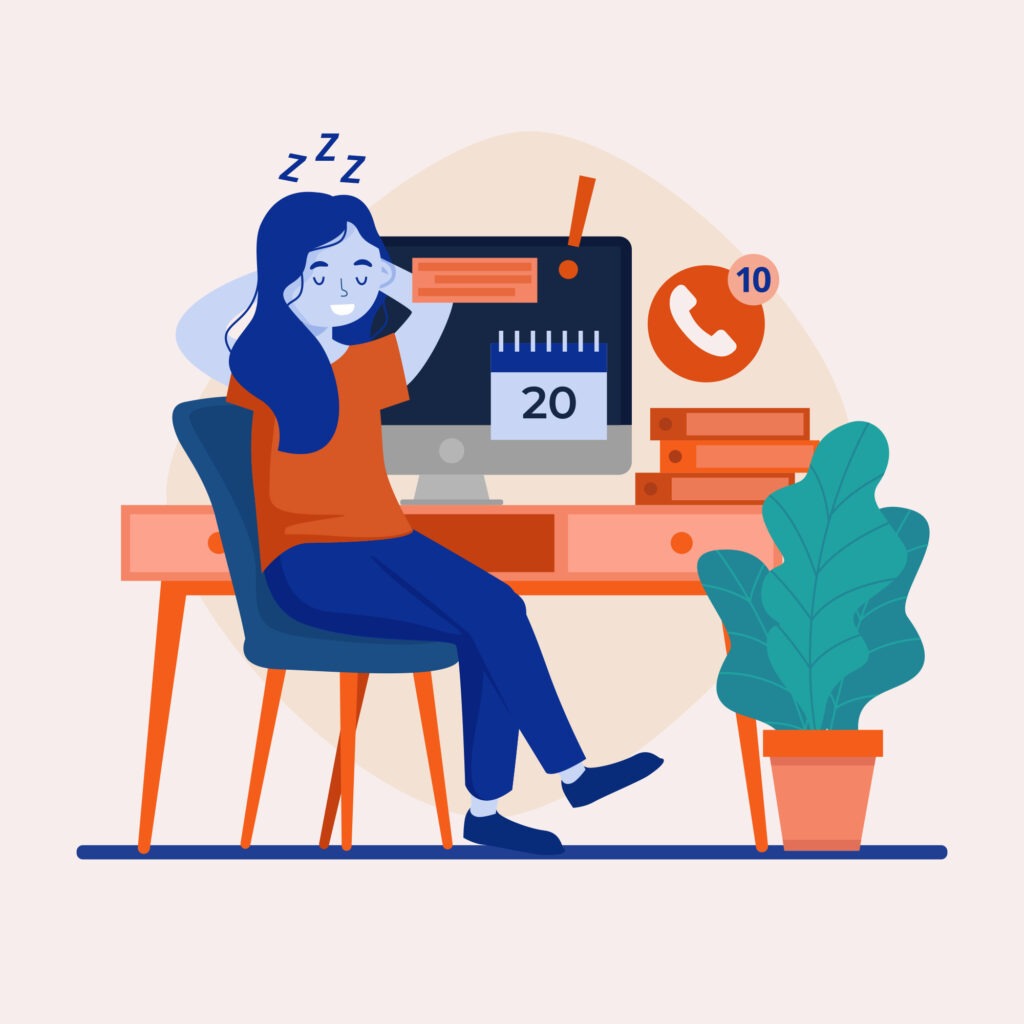
🕐 The Modern Workforce and the Sleep Challenge
In our 24-hour economy, shift work has become a necessity.
From nurses and factory workers to security guards and customer service staff — millions of people work through the night or on rotating schedules to keep society running.
However, working against the body’s natural circadian rhythm comes at a cost.
Studies show that shift workers are two to three times more likely to suffer from chronic sleep disorders, fatigue, and related health issues.
Understanding why this happens — and how to counteract it — is the first step toward healthier rest and better performance.
🌙 What Is Shift Work Sleep Disorder (SWSD)?
The most common sleep condition among night or rotating shift workers is called Shift Work Sleep Disorder (SWSD).
It’s characterized by:
- Difficulty falling asleep at desired times
- Insomnia during rest periods
- Excessive sleepiness while on duty
- Low energy and poor concentration
According to the American Academy of Sleep Medicine, SWSD affects up to 40% of people who regularly work night or rotating shifts.
This disorder isn’t just about feeling tired — it’s a chronic circadian misalignment that disrupts your internal body clock, hormone balance, and alertness levels.
🧠 The Circadian Rhythm: Why Night Work Feels So Unnatural
Humans are biologically programmed to be awake during the day and asleep at night.
This 24-hour internal clock — known as the circadian rhythm — regulates everything from hormone secretion and metabolism to temperature and cognitive performance.
When you work night shifts, your circadian rhythm is forced to invert, but it never fully adjusts.
Even after years of night work, your body still interprets daylight as “wake time” and darkness as “sleep time.”
This mismatch leads to fragmented sleep, poor sleep quality, and excessive daytime fatigue.
🩺 Common Sleep Disorders Among Shift Workers
Besides SWSD, shift workers are at higher risk of developing several other sleep-related issues.
Here’s a closer look at the most common ones:
💤 1. Insomnia
Many night workers report difficulty falling or staying asleep, especially when trying to sleep during the day.
Noise, sunlight, and social activities interfere with daytime rest, reducing total sleep duration to 5–6 hours on average instead of the normal 7–9.
😴 2. Excessive Daytime Sleepiness (EDS)
Even after what seems like enough rest, many shift workers feel persistently drowsy during their active hours.
This condition is often linked to incomplete REM and deep sleep cycles due to irregular timing.
🫁 3. Obstructive Sleep Apnea (OSA)
Sleep apnea tends to worsen among shift workers, especially those who gain weight due to irregular eating habits.
Breathing interruptions during sleep further reduce rest quality and oxygen levels.
🧩 4. Circadian Rhythm Sleep-Wake Disorders
This group of disorders includes delayed sleep phase syndrome and irregular sleep-wake rhythm, where the body clock fails to sync properly with work schedules.
💭 5. Mental Health-Related Sleep Problems
Chronic circadian disruption can increase risks of depression, anxiety, and burnout, which in turn make falling asleep even harder — creating a vicious cycle.
⚠️ Health Consequences of Poor Sleep in Shift Workers
Sleep deprivation doesn’t only affect alertness — it can harm nearly every organ system in the body.
Research consistently links long-term shift work to:
- Cardiovascular Disease: Elevated blood pressure, inflammation, and increased heart disease risk.
- Metabolic Disorders: Poor glucose control and higher rates of obesity and type 2 diabetes.
- Gastrointestinal Issues: Acid reflux and indigestion due to late-night meals.
- Weakened Immunity: Frequent infections and slower recovery times.
- Cognitive Impairment: Reduced reaction times, memory lapses, and higher accident risk.
A 2020 study published in Sleep Health Journal found that shift workers lose an average of 1.5 hours of sleep per 24-hour period, leading to cumulative fatigue similar to jet lag — every day.
🧬 The Role of Melatonin and Light Exposure
Melatonin, often called the sleep hormone, plays a crucial role in regulating circadian rhythm.
Normally, melatonin levels rise at night to induce sleepiness and drop at dawn to help you wake up.
Night workers are exposed to artificial light when melatonin should be high, suppressing its production and delaying sleep onset after work.
Conversely, trying to sleep during the day — when natural light is strong — makes melatonin release difficult, leading to short, light, and non-restorative sleep.
This is why light management and melatonin supplementation are common strategies in treating SWSD.
🌞 How to Manage Sleep Disorders in Shift Workers
While it’s impossible to completely eliminate the effects of irregular schedules, several proven strategies can minimize their impact.
🕰️ 1. Keep a Consistent Sleep Routine
Try to sleep and wake at the same time each day — even on days off.
This helps your body partially adjust to your work schedule.
🌑 2. Create a Dark Sleep Environment
Use blackout curtains, eye masks, or sleep pods to block sunlight.
A cool, dark room mimics nighttime and promotes melatonin release.
💊 3. Consider Melatonin or Light Therapy
- Melatonin supplements (0.5–3 mg) taken before daytime sleep can improve duration and quality.
- Bright light therapy lamps used before or during night shifts can boost alertness and reset the circadian rhythm.
🧘♀️ 4. Prioritize Pre-Sleep Relaxation
Engage in calming activities before rest — such as meditation, reading, or slow breathing exercises — to reduce cortisol and prepare the brain for sleep.
🥗 5. Maintain a Healthy Diet
Avoid caffeine or heavy meals within 3–4 hours before sleep.
Choose protein-rich snacks and hydrate regularly during night shifts.
🚶♂️ 6. Exercise Strategically
Light physical activity after work can help reduce stress and improve sleep onset.
However, avoid intense workouts right before bedtime.
👨⚕️ 7. Get Regular Health Checkups
Because shift work affects multiple systems, schedule routine screenings for blood pressure, glucose, and cholesterol to catch early signs of health decline.
🧠 The Role of Employers and Policy
Organizations also have a responsibility to support the sleep health of their shift workers.
Evidence-based interventions include:
- Rotating shifts forward (day → evening → night) instead of backward
- Providing nap breaks during long night shifts
- Installing bright, blue-enriched lighting in workplaces
- Offering education on sleep hygiene and fatigue management
Workplaces that adopt these measures report higher productivity, fewer accidents, and lower absenteeism — proving that sleep-friendly policies benefit both workers and employers.
🌌 Final Thoughts: Finding Balance in a 24-Hour World
Shift work may be unavoidable for many professions, but its impact on sleep doesn’t have to be devastating.
By understanding how your circadian rhythm works — and adopting science-backed sleep strategies — you can protect your health, energy, and overall quality of life.
In a world that never sleeps, the key is to work with your body clock, not against it.