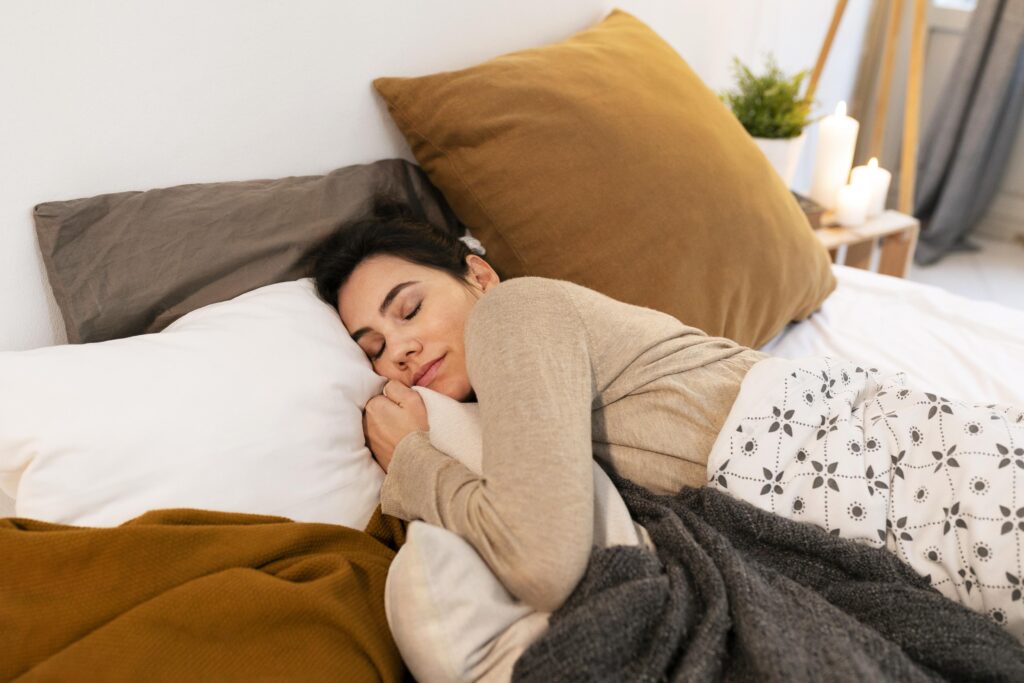
Water is essential for nearly every function in the body, from digestion to brain activity. But did you know that hydration also plays a key role in sleep quality? Both dehydration and overhydration can interfere with your ability to rest soundly. Striking the right balance is the secret to preventing nighttime disruptions and ensuring your body recovers properly while you sleep.
This article explores how hydration affects sleep, what happens when you drink too much or too little, and practical tips for managing fluid intake.
The Connection Between Hydration and Sleep
Hydration influences several processes that affect sleep directly:
- Body Temperature Regulation
Proper hydration helps regulate body temperature, which naturally drops at night to promote sleep. - Hormone Balance
Water supports the production of melatonin and other hormones that control circadian rhythm. - Circulation and Oxygen Delivery
Dehydration reduces blood flow efficiency, which can lead to restless nights. - Muscle Cramps and Dryness
Low hydration levels may trigger leg cramps, dry mouth, or nasal passages—common sleep disruptors.
The Risks of Poor Hydration
- Dehydration: Can cause headaches, cramps, and increased heart rate at night.
- Overhydration: Leads to frequent trips to the bathroom (nocturia), interrupting deep sleep cycles.
Best Practices for Hydration and Sleep
1. Time Your Water Intake
- Drink most of your fluids during the day.
- Reduce water intake 1–2 hours before bedtime to avoid nighttime awakenings.
2. Choose Hydrating Foods
Fruits and vegetables like cucumbers, watermelon, and oranges provide fluids without overloading your bladder.
3. Balance Electrolytes
Sodium, potassium, and magnesium help the body retain and use water efficiently. A diet rich in leafy greens, nuts, and bananas supports this balance.
4. Limit Diuretics Before Bed
Caffeine and alcohol increase urine production and can disrupt sleep. Avoid them at least 4–6 hours before bedtime.
5. Listen to Your Body
Mild thirst before bed is fine, but chugging large amounts of water late at night is counterproductive.
Signs You’ve Found the Right Balance
You’re likely striking the right hydration balance for sleep if:
- You rarely wake up at night to use the bathroom.
- You don’t experience dry mouth or muscle cramps while sleeping.
- You wake up refreshed and not overly thirsty.
Final Thoughts
Hydration and sleep go hand in hand. Too little water leads to discomfort, while too much can fragment your rest. By drinking strategically throughout the day, choosing hydrating foods, and avoiding diuretics late at night, you can find the sweet spot for restful, uninterrupted sleep.
Tonight, let your last sip of water be a mindful step toward better rest—not a reason to wake up at 3 a.m.