☀️ What Is Seasonal Affective Disorder (SAD)?
As the days grow shorter and sunlight fades, many people begin to feel unusually tired, moody, or unmotivated.
This isn’t just “winter blues.” It could be Seasonal Affective Disorder (SAD) — a form of depression linked to changes in seasons, usually beginning in the fall and peaking in winter.
SAD affects an estimated 5–10% of adults, particularly in regions with long, dark winters.
Its symptoms often include:
- Persistent low mood or sadness
- Loss of interest in daily activities
- Fatigue or low energy
- Sleep problems (either too much or too little sleep)
- Changes in appetite and weight
- Difficulty concentrating
Interestingly, sleep disturbance is one of the most consistent and impactful features of SAD — and understanding this connection is key to managing the condition.
🌙 How Seasonal Changes Affect Sleep
Human sleep patterns are deeply tied to light exposure.
Light acts as a signal for your body’s internal clock — the circadian rhythm — which regulates sleep, hormone release, and mood.
During the darker months:
- Reduced sunlight delays the release of cortisol, making mornings feel sluggish.
- Earlier darkness signals your brain to release melatonin too soon, leading to early fatigue.
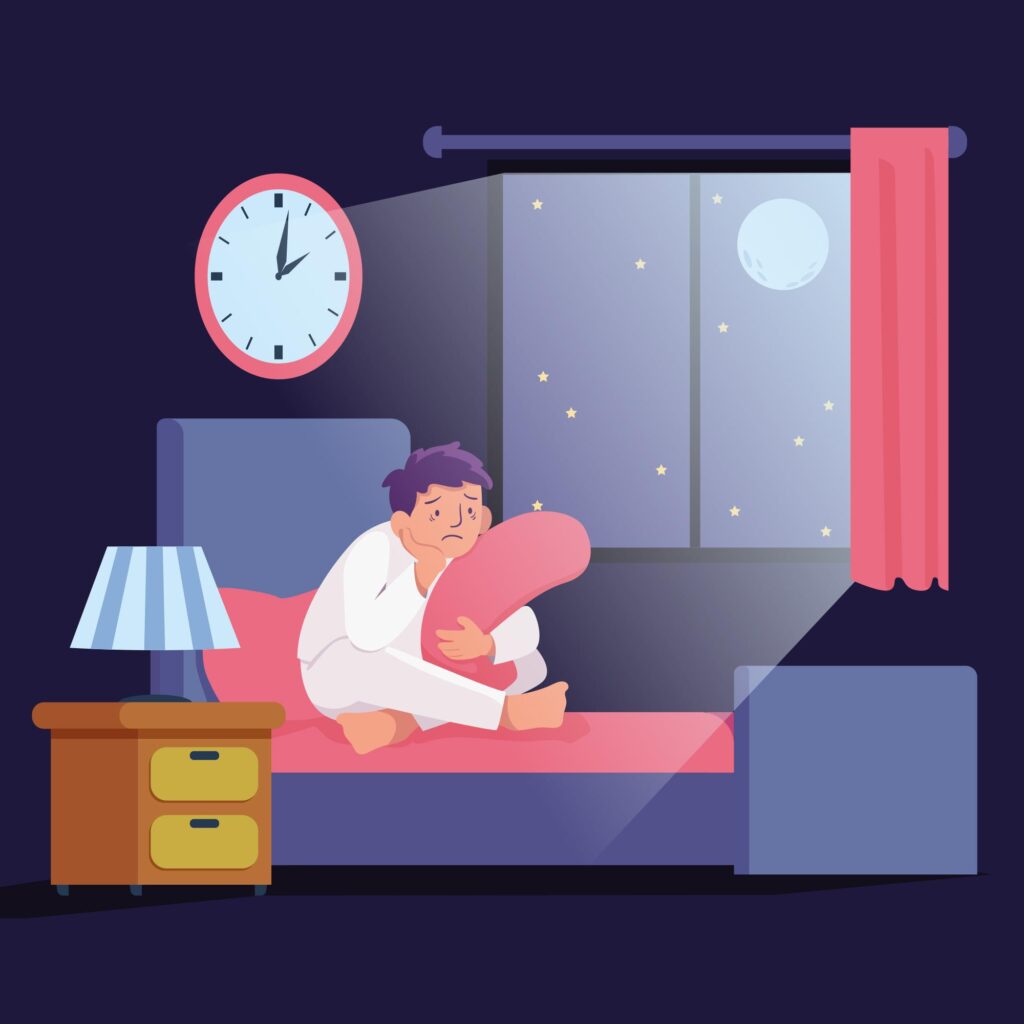
- The disrupted rhythm makes it difficult to fall asleep and wake up at consistent times.
This mismatch between your internal clock and the environment creates a form of social jet lag, contributing to both insomnia and hypersomnia (sleeping too much).
🧠 The Biological Connection Between SAD and Sleep
Several biological factors explain why SAD and sleep issues go hand in hand.
1. Melatonin Overproduction
Melatonin is the hormone that helps you fall asleep.
In winter, the longer nights cause higher melatonin levels for a longer period — which can lead to daytime sleepiness, lethargy, and low motivation.
2. Serotonin Deficiency
Sunlight boosts serotonin, a neurotransmitter that regulates mood and energy.
When serotonin levels drop, people experience low mood, fatigue, and disturbed sleep — core symptoms of SAD.
3. Circadian Rhythm Misalignment
Without strong daylight cues, the body’s internal clock drifts.
This makes it hard to maintain consistent sleep-wake cycles, often leading to delayed sleep phase syndrome (falling asleep and waking up too late).
4. Decreased Vitamin D
Less sunlight means lower vitamin D synthesis, which influences both serotonin regulation and sleep quality.
🌧️ Common Sleep Problems in SAD
People with Seasonal Affective Disorder experience a variety of sleep disturbances, including:
- Difficulty falling asleep (insomnia)
- Sleeping longer but still feeling tired (nonrestorative sleep)
- Oversleeping (hypersomnia) — sometimes up to 10–14 hours per day
- Frequent night awakenings
- Morning grogginess or “sleep inertia”
These symptoms often mirror depression-related sleep issues but have a distinct seasonal pattern that returns every year.
🔬 What Research Says About SAD and Sleep
Scientific studies continue to reveal how deeply SAD affects circadian biology and rest quality:
- Journal of Affective Disorders (2019): Found that individuals with SAD had delayed melatonin secretion by up to 1.5 hours, disrupting sleep onset.
- Harvard Medical School (2020): Reported that exposure to bright morning light improved both sleep efficiency and mood scores in SAD patients.
- Sleep Medicine Reviews (2022): Confirmed that restoring circadian alignment through light therapy reduced hypersomnia and depressive symptoms by 60%.
These findings show that light exposure timing — not just brightness — is critical to restoring healthy sleep in people with SAD.
💡 Light Therapy: The First-Line Treatment
One of the most effective treatments for SAD is light therapy (also known as phototherapy).
It involves sitting in front of a 10,000-lux light box for about 20–30 minutes each morning, mimicking natural daylight.
Benefits of light therapy:
- Resets circadian rhythm
- Suppresses excess melatonin
- Boosts serotonin production
- Improves alertness and sleep timing
For best results:
- Use the light box early in the morning, within an hour of waking.
- Keep it at arm’s length, angled toward your face (not directly at your eyes).
- Be consistent — daily use during fall and winter is key.
Note: Consult a healthcare provider before starting, especially if you have eye sensitivity or bipolar disorder.
🌙 Other Treatments to Improve Sleep in SAD
In addition to light therapy, several strategies can help manage sleep problems tied to SAD:
1. Cognitive Behavioral Therapy (CBT-SAD)
A modified version of CBT for seasonal depression, this therapy helps you restructure negative thought patterns and develop healthy sleep routines.
2. Sleep Hygiene Practices
- Maintain a regular bedtime — even on weekends.
- Avoid blue light exposure (phones, laptops) before bed.
- Keep your bedroom cool, dark, and quiet.
- Use a dawn-simulating alarm clock to mimic sunrise.
3. Melatonin Supplements (Cautiously)
For those with delayed sleep onset, low-dose melatonin (0.3–1 mg) in the evening may help realign the circadian rhythm.
However, it should be used under medical supervision to avoid further imbalance.
4. Exercise and Daytime Activity
Regular physical activity — especially outdoors during daylight hours — helps reset circadian timing and improve both sleep and mood.
5. Vitamin D and Nutrition
Supplementing vitamin D in winter may support serotonin regulation.
Diets rich in omega-3s, leafy greens, and tryptophan-rich foods (like turkey, eggs, and nuts) can also aid in serotonin and melatonin balance.
🕰️ The Role of Consistent Routine
Seasonal Affective Disorder thrives on inconsistency.
When daylight hours are limited, your brain needs strong behavioral cues to keep your sleep cycle steady.
To reinforce your internal clock:
- Wake up at the same time every day, regardless of sunlight.
- Open curtains immediately upon waking to get light exposure.
- Avoid daytime naps longer than 30 minutes.
- Stick to a wind-down ritual at night — such as reading, stretching, or journaling.
These habits strengthen your circadian rhythm and reduce the winter slump effect.
🔁 When Sleep Problems Persist
If you’ve tried improving sleep hygiene and light exposure but still feel excessively tired or depressed, you may be experiencing major depressive disorder with seasonal pattern — which requires medical treatment.
Doctors may prescribe:
- Antidepressants (SSRIs) such as sertraline or fluoxetine
- Bupropion, which has proven effective in preventing SAD relapse
- Combination therapy with light exposure and medication
With proper treatment, most people recover fully by spring, and symptoms can often be prevented in future winters.
🌅 Final Thoughts: Reclaiming Rest Through the Seasons
Seasonal Affective Disorder is more than just a reaction to gloomy weather — it’s a biologically driven condition that directly affects how you sleep, think, and feel.
By understanding the link between light, circadian rhythm, and rest, you can take proactive steps to prevent the seasonal slump.
So when the days get shorter, remember:
The best antidote to darkness isn’t just light — it’s routine, balance, and intentional rest.