
🌙 Why Monitor Kids’ Sleep?
Sleep plays a vital role in a child’s physical growth, emotional stability, and brain development. However, with busy school schedules, screen time, and irregular routines, many children struggle to get enough rest.
That’s where smart bands for kids’ sleep monitoring come in. These devices help parents track how long and how well their children sleep, ensuring they get the restorative rest they need to grow and thrive.
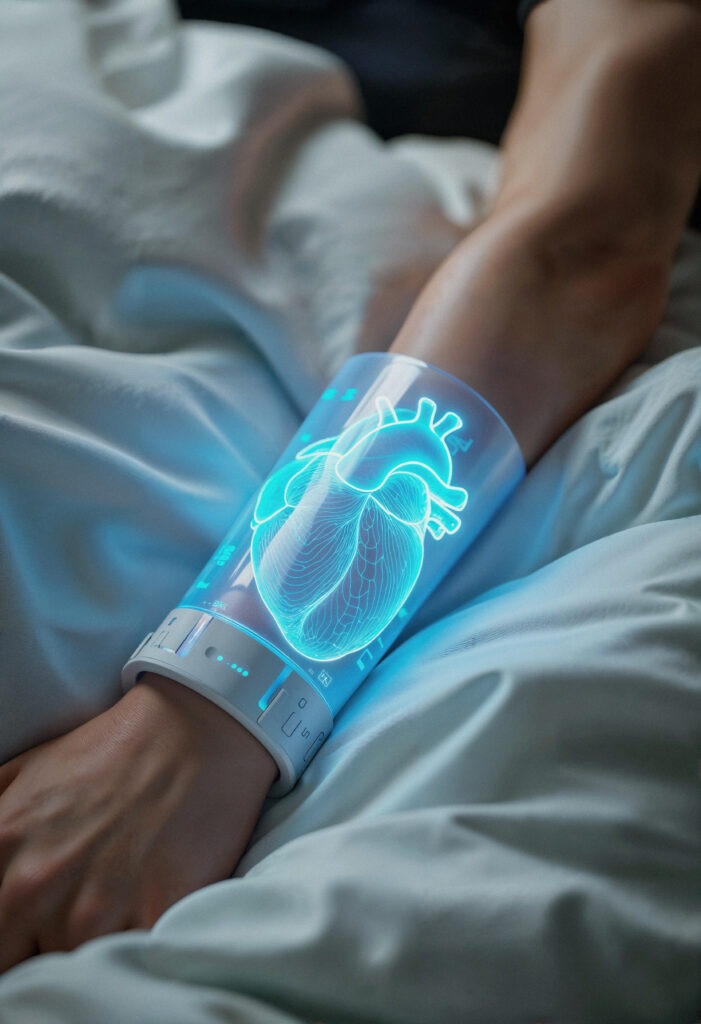
By collecting data like sleep duration, heart rate, movement, and oxygen levels, these wearables can reveal patterns that might otherwise go unnoticed.
🧠 How Sleep Tracking Works for Kids
Smart bands designed for children work similarly to adult models but with added safety and comfort features. They typically include:
- Accelerometers to detect motion and determine sleep stages (light, deep, or awake).
- Optical heart rate sensors to monitor nighttime heart rhythms.
- Temperature and SpO₂ sensors in some advanced models for deeper health insights.
- Parental apps that show detailed sleep reports, bedtime trends, and tips.
The key difference? Kid-friendly smart bands emphasize simplicity, comfort, and privacy—no complex data or unsafe wireless exposure.
🧒 Benefits of Smart Bands for Kids’ Sleep
- Better Sleep AwarenessKids (and parents) can visualize how bedtime routines affect rest quality. This encourages healthier habits like earlier bedtimes and screen-free evenings.
- Early Detection of Sleep IssuesConsistent sleep tracking helps identify irregular patterns such as frequent waking, restlessness, or short sleep duration.
- Improved Focus and EnergyA well-rested child performs better academically, emotionally, and socially. Tracking helps ensure adequate nightly rest.
- Encourages Family Wellness RoutinesParents can use the data to set consistent schedules for the whole family—creating better sleep hygiene for everyone.
🩺 Features to Look For in a Kids’ Sleep Tracker
When choosing a smart band for children, prioritize these important factors:
- Comfort: Lightweight and soft materials that won’t disturb sleep.
- Battery Life: At least 5–7 days per charge to avoid frequent recharging.
- Data Accuracy: Reliable sensors for tracking heart rate and motion.
- Safety: Low radiation and child-safe materials (BPA-free, hypoallergenic).
- Parental Control: Syncs with a parent’s smartphone app for easy monitoring.
- Water Resistance: Useful for active kids or those who forget to remove it.
🌟 Top Smart Bands for Kids’ Sleep Monitoring (2025 Edition)
Below are some of the best sleep tracking bands for kids—combining comfort, design, and accurate data for parents’ peace of mind.
1. Fitbit Ace 3
Best Overall Kids’ Fitness and Sleep Tracker
Fitbit Ace 3 remains a top choice for families. Designed for children aged 6+, it tracks sleep duration, active minutes, and bedtime routines. The companion app lets parents view reports and set bedtime reminders.
- Battery Life: Up to 8 days
- Pros: Durable, swim-proof, excellent parental dashboard
- Cons: No SpO₂ sensor
2. Garmin Bounce
Best for Active Kids with Smart Alerts
Garmin Bounce offers both activity and sleep monitoring with GPS tracking for safety. Parents can monitor sleep scores and even send messages through Wi-Fi.
- Battery Life: Up to 2 days
- Pros: Built-in messaging and safety tracking
- Cons: Shorter battery life compared to others
3. Xplora X6Play
Best for Teens and Older Kids
Although designed as a kids’ smartwatch, Xplora X6Play includes reliable sleep and activity tracking features. It also has parental controls, school mode, and fun gamification to encourage better habits.
- Battery Life: Up to 5 days
- Pros: Fun interface, customizable bands
- Cons: Bulkier for smaller wrists
4. Little Tikes Tobi 2 Smartwatch
Best for Younger Kids (Ages 4–7)
This colorful, interactive watch includes a basic sleep tracking feature, letting parents know how long their child rests. It’s more playful than analytical—perfect for introducing kids to good routines early.
- Battery Life: 3–5 days
- Pros: Educational games and easy to use
- Cons: Basic sleep metrics only
5. Fitbit Inspire 3
Best for Shared Use with Teens
Though technically an adult tracker, the Fitbit Inspire 3 fits older kids comfortably and provides advanced sleep tracking, including SpO₂ levels, HRV, and temperature trends.
- Battery Life: Up to 10 days
- Pros: Comprehensive health metrics, slim design
- Cons: Requires Fitbit account setup for minors
💤 Tips for Parents Using Sleep Trackers
- Start with routine: Pair the tracker with consistent bedtime hours.
- Review weekly: Look at sleep patterns once or twice a week to avoid overanalyzing daily fluctuations.
- Discuss sleep quality: Use results as gentle conversation starters about rest and relaxation.
- Encourage unplugging: Remind kids to avoid screens an hour before bed.
- Reward progress: Positive reinforcement motivates children to stick to healthy routines.
🔒 Are Smart Bands Safe for Kids?
Yes—when designed for children, smart bands are safe. Most use low-energy Bluetooth connections and non-toxic materials. Still, it’s wise to:
- Remove the device during charging.
- Ensure proper fit to avoid skin irritation.
- Supervise data sharing and privacy settings in connected apps.
Safety and moderation are key—these devices should support healthy sleep habits, not replace parental involvement.
🌌 Final Thoughts
Sleep is the foundation of a child’s growth, learning, and emotional well-being. With the help of smart bands for kids’ sleep monitoring, parents gain insight into their child’s sleep quality and can make meaningful changes to daily routines.
From playful models like Tobi 2 to advanced trackers like Fitbit Inspire 3, there’s an option for every age group and budget.
Ultimately, the best device is the one your child enjoys wearing—because consistent use is what truly leads to better sleep and healthier habits.


 English
  Indonesian
  Chinese