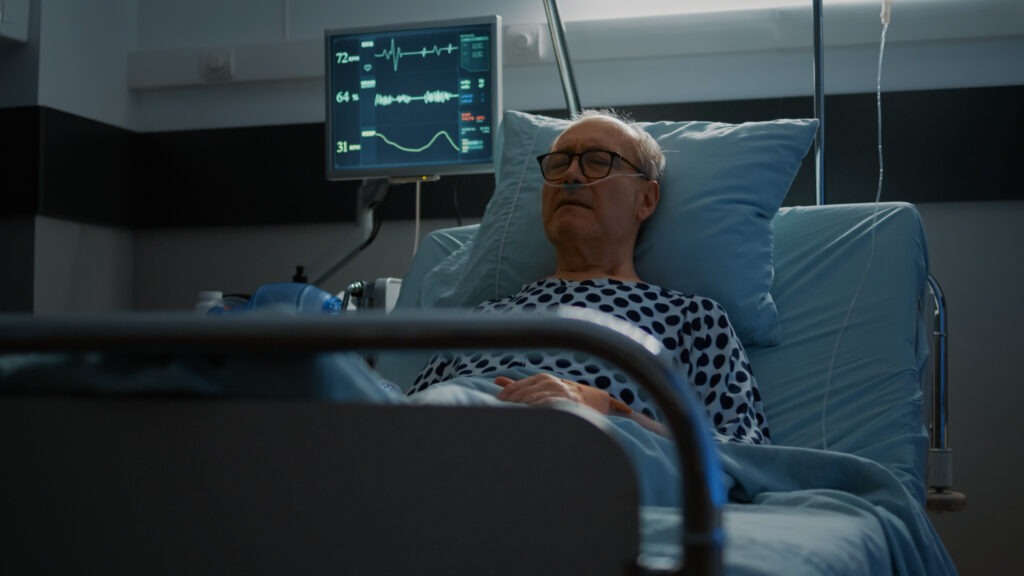
Sleep disorders affect millions of people worldwide, yet many cases go undiagnosed. Traditional sleep studies, known as polysomnography, require overnight stays in specialized labs—expensive, inconvenient, and often intimidating.
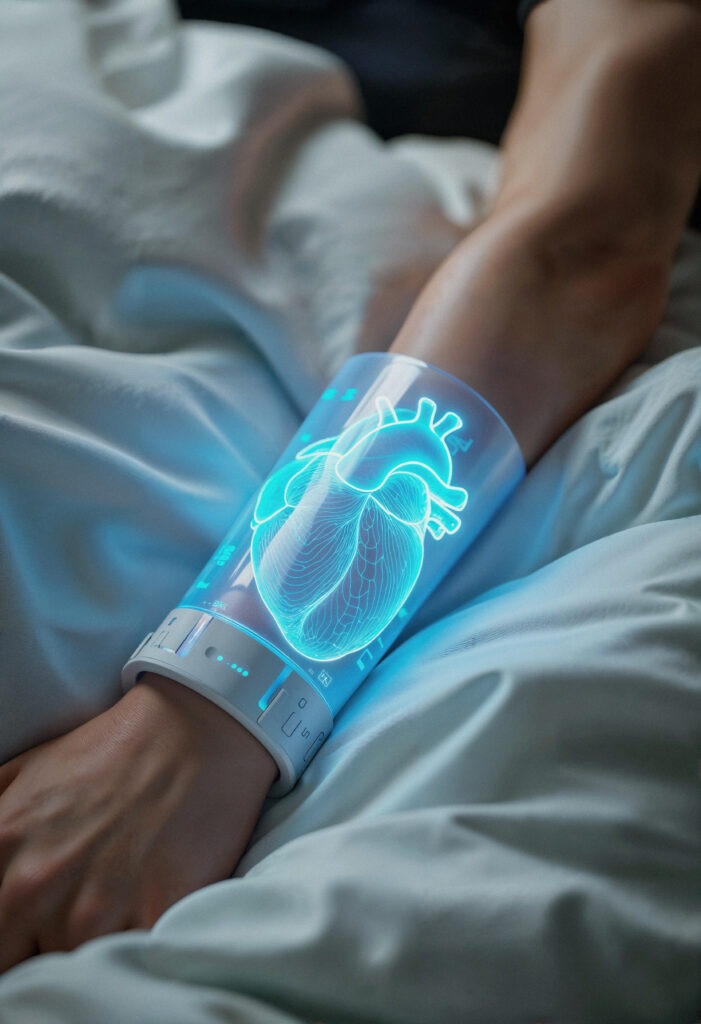
Enter wearable technology. Modern wearables like smartwatches, rings, and headbands are reshaping the way we monitor and understand sleep. While not a replacement for clinical diagnosis, these devices provide valuable data that can highlight potential problems and encourage people to seek medical help.
How Wearables Track Sleep
Wearables use advanced sensors to collect data about your body while you sleep. The most common measurements include:
* Accelerometry (Movement Tracking): Detects when you fall asleep, wake up, or toss and turn.
* Heart Rate Monitoring: Identifies changes in heart rhythm during different sleep stages.
* SpO₂ (Oxygen Saturation): Helps flag potential issues like sleep apnea.
* Respiratory Rate: Some devices track breathing irregularities.
* Skin Temperature & Stress Indicators: Offer insights into circadian rhythm and sleep quality.
By combining these inputs, wearables create a detailed picture of your nightly rest.
Detecting Common Sleep Disorders with Wearables
1. Insomnia
* Wearables track sleep onset latency (time it takes to fall asleep) and nighttime awakenings.
* Data helps highlight inconsistent patterns that may suggest insomnia.
2. Sleep Apnea
* Devices with SpO₂ sensors (e.g., Fitbit, Withings, Oura Ring) can detect oxygen drops during the night.
* Combined with snoring detection (via paired smartphones), wearables can suggest the need for further testing.
3. Restless Legs Syndrome (RLS)
* Movement sensors track leg twitches or frequent position changes.
* May reveal patterns consistent with RLS or periodic limb movement disorder.
4. Circadian Rhythm Disorders
* Continuous monitoring of activity and temperature helps identify delayed sleep phases or irregular schedules.
Benefits of Wearable Sleep Monitoring
* Accessibility: Provides sleep insights at home without the need for a lab.
* Long-Term Tracking: Unlike one-night studies, wearables capture patterns over weeks or months.
* Behavioral Feedback: Devices suggest lifestyle changes that can improve sleep hygiene.
* Early Detection: Red flags prompt users to consult healthcare professionals sooner.
Limitations and Considerations
While promising, wearables have some limitations:
* Not Diagnostic Tools: They can detect irregularities but cannot provide definitive diagnoses.
* Data Accuracy: Results may vary between devices and are less precise than clinical polysomnography.
* Comfort: Wearing devices nightly may disturb sensitive sleepers.
* Privacy Concerns: Data collection raises questions about security and sharing with third parties.
The Future of Wearable Sleep Technology
The next generation of wearables is expected to:
* Integrate with AI algorithms for more precise sleep disorder predictions.
* Provide real-time alerts for oxygen drops or dangerous patterns.
* Offer direct integration with telehealth services, enabling smoother referrals to sleep specialists.
Final Thoughts
Wearables are revolutionizing how we approach sleep health. While they cannot replace professional diagnosis, they act as early-warning systems that help identify potential sleep disorders like insomnia, sleep apnea, and RLS.
For anyone struggling with poor sleep, these devices serve as powerful companions—guiding healthier habits, flagging concerns, and ultimately helping users seek the care they need.