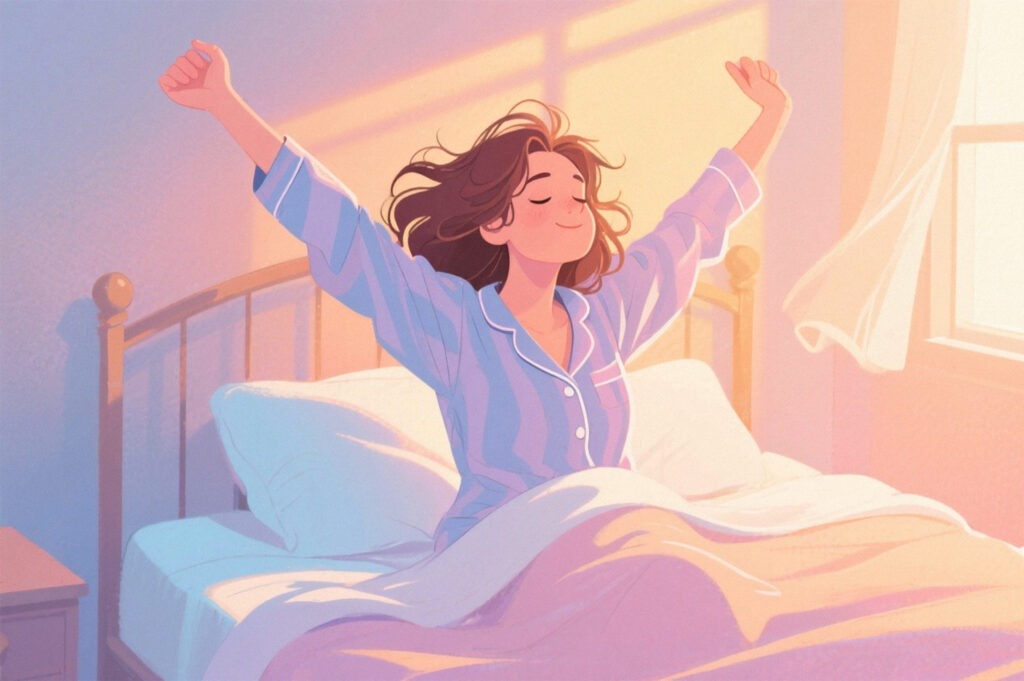
The holiday season is often a time of joy, connection, and celebration. Yet, with late-night gatherings, festive meals, travel, and disrupted schedules, maintaining healthy sleep habits can feel nearly impossible. While it’s natural to stray a little from routine, consistently neglecting rest may leave you drained, irritable, and less able to enjoy the festivities.
This article explores practical strategies to protect your sleep health during the holidays—so you can celebrate fully without sacrificing rest.
1. Stick to a Consistent Bedtime (as Much as Possible)
Even during holidays, aim to go to bed and wake up around the same time. Consistency helps regulate your circadian rhythm, making it easier to fall asleep and wake up refreshed. If staying up late is unavoidable, try to limit it to one or two nights and return to your normal schedule promptly.
2. Prioritize Quality Over Quantity
You may not always get your full 7–9 hours during holidays, but focusing on quality sleep can help. Create a calming bedtime ritual—like dimming lights, avoiding screens, and practicing relaxation techniques—to help your body shift into rest mode, even if time is limited.
3. Watch Your Food and Drink Intake
Holidays often come with indulgent meals, caffeine, and alcohol—all of which can affect sleep.
- Avoid heavy meals right before bed.
- Limit caffeine intake in the afternoon.
- Be mindful of alcohol—it may make you sleepy initially but disrupts deeper sleep stages.
4. Manage Holiday Stress
Holiday planning, family dynamics, and gift-giving can create stress that interferes with sleep. Incorporate calming practices like yoga, meditation, or gratitude journaling to ease your mind before bed. Even a few minutes of deep breathing can make a difference.
5. Create a Sleep-Friendly Travel Plan
If your holidays involve travel, prepare for potential jet lag or changes in environment:
- Bring a sleep mask and earplugs.
- Use a white noise app if you’re in a noisy household.
- Adjust your schedule gradually if crossing time zones.
6. Take Advantage of Daylight
Shorter days and indoor gatherings can limit sunlight exposure, which affects melatonin production. Try to spend time outdoors during the day. Morning light exposure can help reset your circadian rhythm and improve nighttime sleep.
7. Embrace Short Naps (Wisely)
If holiday activities cut into your nighttime sleep, a short nap (10–20 minutes) can help restore energy. Avoid long or late naps, which can make it harder to fall asleep at night.
Conclusion
The holidays are meant to be enjoyed, not endured with fatigue. By keeping your sleep routine flexible yet intentional, you can strike a balance between celebration and restoration. Remember: well-rested moments are often the most memorable ones.