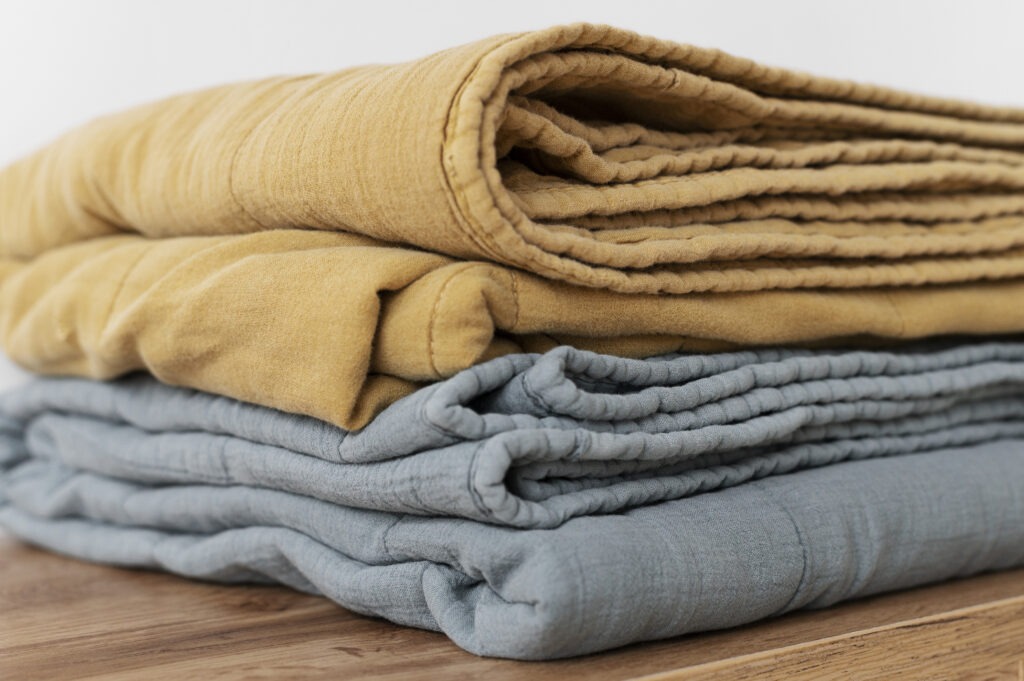
The secret to a good night’s sleep often lies in your bedding setup. While mattresses and pillows get most of the attention, the way you layer your bedding can make a huge difference in both comfort and temperature regulation. Proper layering ensures you stay warm in the winter, cool in the summer, and cozy all year round.
If you’ve ever wondered how to combine sheets, blankets, comforters, and throws in the right order, this guide will walk you through the essentials of bedding layering for maximum comfort and style.
Step 1: Start with a Quality Base Layer
The first layer of bedding directly touches your skin, making it the foundation of comfort. Choose a fitted sheet made of breathable material like cotton, bamboo, or linen. These fabrics wick away moisture and help regulate temperature.
* Cotton: Soft and versatile for year-round use.
* Linen: Breathable and durable, perfect for hot sleepers.
* Bamboo: Eco-friendly, moisture-wicking, and ultra-soft.
👉 Tip: Wash your sheets weekly to keep them fresh and inviting.
Step 2: Add a Flat Sheet (Optional but Useful)
Flat sheets often divide opinion—some love them, others skip them. But when layering bedding for maximum comfort, a flat sheet acts as a protective barrier between you and heavier blankets. It also provides a lightweight covering on hot nights when you don’t want a bulky comforter.
Step 3: Layer with a Blanket for Warmth
A blanket is the middle layer, providing extra warmth and flexibility. You can remove it on warmer nights or add it when temperatures drop. Common blanket materials include:
* Wool: Excellent for insulation in winter.
* Cotton: Lightweight and breathable for transitional seasons.
* Fleece or Microfiber: Cozy and soft, great for added warmth.
👉 Tip: Use a breathable cotton blanket in summer, then switch to heavier wool in winter.
Step 4: Top with a Comforter or Duvet
The comforter or duvet is your main insulating layer. It traps heat, adds volume, and enhances the overall aesthetic of your bed.
* Comforters are quilted and ready to use.
* Duvets require a cover, which makes them versatile since you can switch designs easily.
Choose the fill material based on your needs:
* Down/feather fill: Luxurious and warm.
* Down alternative: Hypoallergenic and budget-friendly.
* Wool or cotton fill: Natural and breathable.
👉 Tip: For year-round use, consider an all-season duvet that offers balance between warmth and breathability.
Step 5: Add a Stylish Throw or Quilt
Throws and quilts are the finishing touch. They not only add style and texture but also provide functional warmth. A folded throw at the foot of the bed is perfect for chilly nights when you need an extra layer without disturbing your setup.
Choose throws in cozy fabrics like knit cotton, fleece, or velvet for both comfort and elegance.
Step 6: Don’t Forget Pillows and Accessories
Bedding isn’t complete without pillows. Use a combination of supportive sleeping pillows and decorative shams or cushions to layer your bed like a pro. A bolster or body pillow can add both comfort and visual appeal.
👉 Pro layering tip: Use pillow protectors to extend the life of your pillows and keep them hygienic.
Seasonal Adjustments for Maximum Comfort
One of the best things about layered bedding is flexibility. You can adjust your setup depending on the season:
* Spring/Summer: Fitted sheet + flat sheet + light blanket or quilt.
* Fall/Winter: Fitted sheet + flat sheet + blanket + heavy comforter/duvet + throw.
By adapting your layers, you’ll always stay comfortable no matter the temperature.
Conclusion
Layering your bedding isn’t just about aesthetics—it’s about customizing comfort to your body’s needs and the season. Start with breathable base sheets, add a blanket for adjustable warmth, and finish with a plush comforter or duvet. Then, complete the look with stylish throws and well-placed pillows.
The result? A bed that feels like a sanctuary—inviting, cozy, and perfectly tailored to give you the best sleep possible.