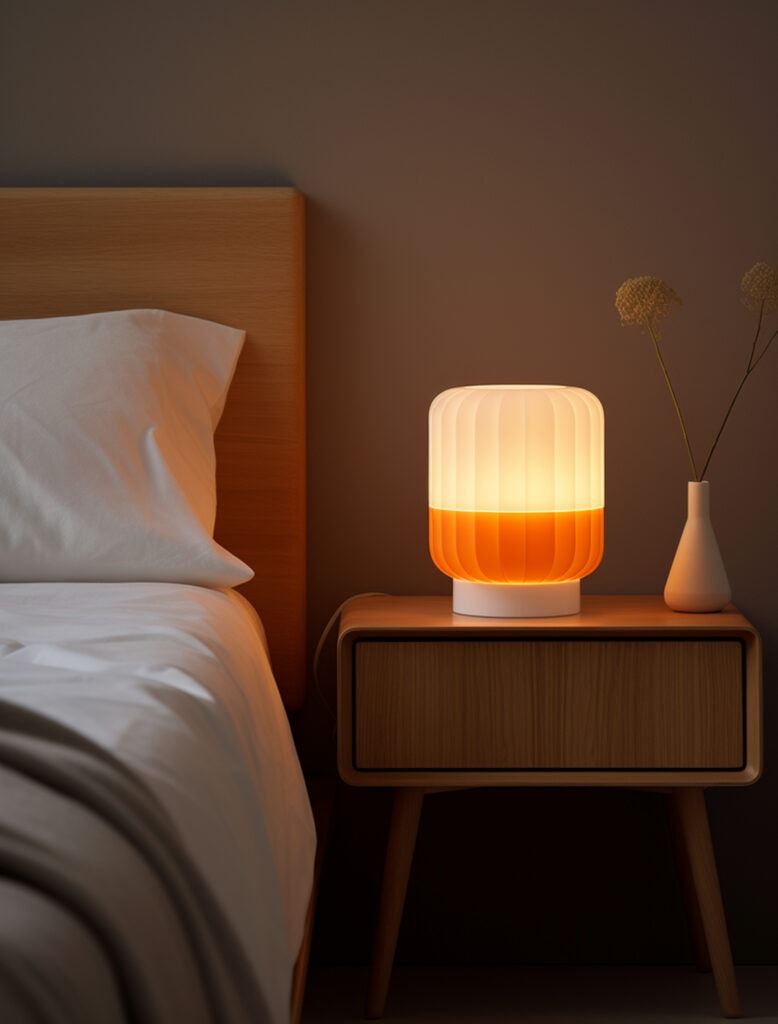
💤 The Age of Personalized Sleep
Sleep is deeply personal — what relaxes one person might stimulate another. For decades, bedtime routines were based on trial and error: adjusting pillows, dimming lights, or drinking herbal tea. But now, smart sleep devices are changing everything.
With the help of AI, biometric sensors, and smart home integration, technology can now tailor your entire bedtime experience to your body’s unique rhythms. These systems don’t just track sleep — they actively shape it.
In short, the future of sleep is personalized, and it begins the moment you start winding down.
🤖 What Does “Smart Bedtime” Mean?
A smart bedtime routine combines sensors, algorithms, and automation to create the ideal conditions for sleep. Instead of a one-size-fits-all approach, smart devices observe your habits, track your physiological signals, and adjust your environment accordingly.
For example:
- Your smart lights may dim automatically when your body temperature drops.
- Your smart speaker might play calming sounds once your heart rate slows.
- Your smart thermostat could cool the room to your optimal sleep temperature.
These tiny adjustments add up — turning a chaotic night into a seamless transition into sleep.
🧠 How Smart Devices Learn Your Sleep Patterns
Modern sleep tech relies heavily on biometric data — measurable indicators of your body’s state. Common data points include:
- Heart rate and heart rate variability (HRV)
- Body temperature
- Movement (actigraphy)
- Respiratory rate
- Sleep stage estimation (light, deep, REM)
Smart devices use AI to recognize patterns in this data. Over time, they learn when you typically fall asleep, how long it takes you to reach deep sleep, and what environmental factors help or hinder your rest.
For instance, if your tracker notices you fall asleep faster at 23°C with soft instrumental music, it will replicate those conditions automatically.
This continuous feedback loop between user behavior and machine learning allows your bedtime routine to evolve with you.
🛏️ Examples of Smart Devices That Personalize Bedtime
Let’s look at some key categories of devices that are transforming how people prepare for sleep:
1. Smart Lights
Devices like Philips Hue and Nanoleaf Skylight adjust brightness and color temperature based on your circadian rhythm.
- In the evening, they shift to warmer tones to trigger melatonin release.
- In the morning, they simulate natural sunrise to wake you gently.
Why it matters: Proper light exposure helps align your body clock, improving both sleep onset and mood upon waking.
2. Smart Speakers and Sound Machines
Smart assistants such as Amazon Echo, Google Nest, or Hatch Restore 2 combine sound therapy and automation.
They can:
- Play white noise or calming music before bed.
- Respond to voice commands like “Alexa, goodnight.”
- Integrate with other devices to trigger lighting or temperature changes.
Result: A synchronized routine that quiets your environment and your mind.
3. Smart Beds and Mattresses
Products like Eight Sleep Pod 3 or Sleep Number 360 use embedded sensors to monitor heart rate, motion, and temperature.
They automatically:
- Adjust firmness for spinal support.
- Warm or cool each side of the bed for comfort.
- Track sleep cycles and deliver insights through companion apps.
Why it’s revolutionary: Your bed no longer just supports sleep — it participates in it.
4. Wearable Sleep Trackers
Smart rings like Oura Ring Gen 3 or wristbands like Fitbit Sense 2 detect your readiness and recovery states.
By syncing with your home ecosystem, they can trigger bedtime automation.
For example:
When your wearable detects that your HRV has stabilized, it may signal the smart lights to dim and your diffuser to release lavender.
5. Smart Aromatherapy Devices
Sleep-focused diffusers like AromaTech AroMini BT or SleepMe AromaPod sync scent release with your bedtime schedule.
They diffuse essential oils like lavender or bergamot when your tracker indicates you’re entering relaxation mode.
Result: A multi-sensory bedtime routine designed to calm the nervous system.
⚙️ The Role of AI in Personalized Bedtime Routines
Artificial Intelligence ties all of these devices together. Using algorithms that learn from your sleep data, AI can:
- Recommend earlier bedtimes based on fatigue patterns.
- Identify triggers like late caffeine intake or screen exposure.
- Adjust multiple devices simultaneously through smart home platforms.
For example:
When your Oura Ring detects a decrease in HRV, your Google Home can dim the lights, lower the thermostat, and start a relaxation playlist — all without you lifting a finger.
This creates a fully integrated, adaptive environment that evolves as your lifestyle changes.
🌿 The Benefits of Personalized Smart Bedtime Routines
- Faster Sleep Onset – Smart cues train your brain to associate certain sensory changes with rest.
- Deeper, More Restorative Sleep – Optimized temperature, sound, and light promote longer deep sleep cycles.
- Reduced Stress and Anxiety – Automation minimizes mental effort and decision fatigue.
- Improved Morning Energy – Gentle wake-up routines align with your natural circadian rhythm.
- Better Long-Term Sleep Hygiene – Continuous feedback encourages consistency and mindfulness around bedtime.
⚠️ Potential Drawbacks
Despite their benefits, smart sleep ecosystems aren’t flawless.
- Privacy concerns: Continuous tracking involves sensitive biometric data.
- Over-reliance on devices: Some users may feel anxious without their tech aids.
- Cost: Fully connected setups can be expensive to maintain.
However, for most users, the comfort, convenience, and data-driven insights far outweigh the downsides.
🌌 Final Thoughts
The days of one-size-fits-all bedtime routines are over. Smart devices now personalize every aspect of rest — from lighting and scent to sound and temperature.
By blending AI intelligence with environmental control, these systems create a sleep environment that evolves with you — helping your mind and body transition into rest naturally.
Whether you’re using a smart light, a connected mattress, or a wearable tracker, these technologies show that better sleep isn’t just about going to bed — it’s about building a personalized ritual designed by your own biology.
And as innovation continues, your bedroom may soon become the most intelligent — and relaxing — room in your home.