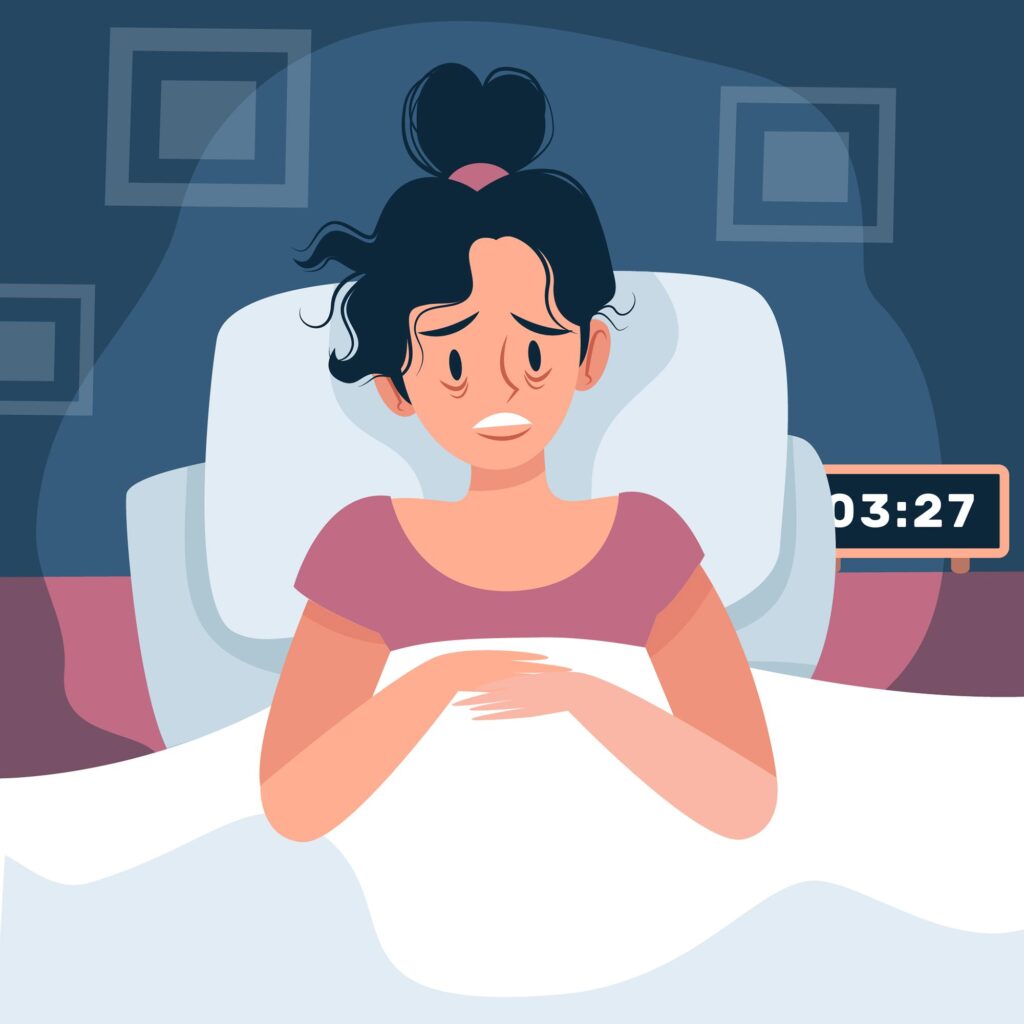
🌙 Why Sleep Matters for Your Heart
When you think about heart health, you might picture diet, exercise, or stress management — but sleep is just as essential.
Your body uses sleep to regulate blood pressure, balance hormones, and repair blood vessels. Without enough of it, these systems fall out of sync, putting extra strain on your cardiovascular system.
Studies show that consistently getting less than 7 hours of sleep per night increases your risk of high blood pressure, heart attack, stroke, and even sudden cardiac death.
In short, sleep isn’t just rest — it’s a vital maintenance period for your heart.
🧠 The Science Behind Sleep and the Cardiovascular System
During healthy sleep, your body cycles through several stages: light sleep, deep sleep, and REM (rapid eye movement).
Each stage contributes to cardiovascular regulation:
- Deep sleep lowers heart rate and blood pressure, giving arteries time to relax.
- REM sleep helps stabilize heart rhythm and autonomic nervous system balance.
- Overall, sleep reduces stress hormones like cortisol and adrenaline, which can damage arteries when chronically elevated.
When sleep is shortened or disrupted, your heart loses this nightly reset — leading to higher stress load and vascular wear over time.
⚠️ How Sleep Deprivation Affects Heart Health
Let’s explore what happens inside your body when you don’t get enough rest.
1. Increased Blood Pressure (Hypertension)
During sleep, blood pressure naturally drops in a process called “nocturnal dipping.”
Without sufficient rest, this dip doesn’t occur, causing 24-hour elevated blood pressure — one of the strongest predictors of heart disease and stroke.
Research from the American Heart Association found that adults who sleep less than six hours a night have a 20% higher risk of developing hypertension.
2. Elevated Stress Hormones
Sleep deprivation activates the sympathetic nervous system, your body’s “fight or flight” response.
As a result, levels of cortisol and adrenaline stay high, keeping your heart rate elevated even at rest.
Chronic exposure to these hormones damages artery walls and increases plaque buildup, contributing to atherosclerosis (hardening of the arteries).
3. Inflammation and Blood Vessel Damage
Poor sleep increases inflammatory markers such as C-reactive protein (CRP) and interleukin-6 (IL-6).
Over time, this inflammation weakens blood vessel integrity, promoting clot formation and narrowing arteries — conditions that directly contribute to heart attack and stroke.
4. Impaired Glucose and Insulin Regulation
Lack of sleep disrupts how your body processes glucose, making you more insulin-resistant.
This leads to higher blood sugar levels and increases the risk of Type 2 diabetes, a major driver of heart disease.
In fact, just a few nights of poor sleep can mimic pre-diabetic blood sugar levels in healthy adults.
5. Weight Gain and Hormonal Imbalance
Sleep deprivation alters hunger hormones — decreasing leptin (which suppresses appetite) and increasing ghrelin (which stimulates hunger).
The result: overeating, cravings for high-sugar foods, and eventual weight gain.
Since obesity is closely linked to hypertension and coronary artery disease, poor sleep becomes an indirect but powerful risk factor for cardiovascular problems.
6. Heart Rhythm Disorders
Studies have linked inadequate sleep to arrhythmias — irregular heartbeats caused by stress on the electrical system of the heart.
People with chronic sleep deprivation are also more likely to experience atrial fibrillation (AFib), which increases stroke risk.
💔 The Link Between Sleep Disorders and Heart Disease
Not all sleep deprivation is voluntary. Sleep disorders such as sleep apnea can also harm the heart.
- Obstructive Sleep Apnea (OSA) causes repeated pauses in breathing, lowering oxygen levels and forcing the heart to work harder.
- These repeated “micro-arousals” trigger surges in blood pressure and adrenaline throughout the night.
- Over time, OSA is linked to heart enlargement, hypertension, heart failure, and arrhythmias.
Treatment of sleep apnea with CPAP (Continuous Positive Airway Pressure) significantly lowers blood pressure and reduces cardiac risks.
🌿 How to Protect Your Heart Through Better Sleep
The good news is that improving your sleep can dramatically support cardiovascular health — even small changes make a difference.
Here are science-backed strategies to strengthen your heart while you sleep:
1. Prioritize 7–9 Hours of Quality Sleep
Aim for consistent, restorative rest. If you often sleep less than six hours, treat it as seriously as you would high cholesterol or poor diet.
2. Keep a Regular Schedule
Going to bed and waking up at the same time every day stabilizes your circadian rhythm, reducing blood pressure fluctuations.
3. Limit Caffeine and Alcohol
Caffeine raises heart rate and delays melatonin release, while alcohol fragments sleep and elevates nighttime blood pressure.
4. Exercise Regularly
Moderate aerobic exercise (like walking or cycling) strengthens your heart and helps regulate blood pressure — but avoid vigorous workouts right before bed.
5. Maintain a Heart-Healthy Diet
Include foods rich in omega-3s, potassium, and antioxidants — like salmon, leafy greens, and berries.
Avoid excessive salt and processed sugar, which can worsen blood pressure and inflammation.
6. Manage Stress Before Bedtime
Practice breathing exercises, meditation, or light yoga to lower cortisol and calm your cardiovascular system.
7. Monitor Sleep Quality
Use sleep trackers or smart wearables to observe patterns. If you suspect sleep apnea (loud snoring, choking, morning fatigue), seek a sleep specialist for evaluation.
🩺 When to See a Doctor
Consult your healthcare provider if you experience:
- Chronic fatigue despite adequate sleep
- Loud snoring or choking sensations during sleep
- High blood pressure resistant to medication
- Irregular heartbeat or unexplained chest discomfort
Early detection and management can prevent long-term heart damage.
🌌 Final Thoughts
Sleep deprivation silently strains one of your most vital organs — your heart.
From elevated blood pressure to increased inflammation, the evidence is clear: missing sleep today can mean heart problems tomorrow.
But the opposite is also true. Every good night’s rest gives your heart time to repair, regulate, and restore.
Think of sleep as the nightly reset button for your cardiovascular system — a simple, natural, and powerful way to protect your health for years to come.
So tonight, skip the late-night scrolling, dim the lights, and give your heart what it needs most: rest.