🌙 ADHD and Sleep: A Complicated Relationship
Attention-Deficit/Hyperactivity Disorder (ADHD) is often thought of as a condition affecting focus and behavior. But what many people don’t realize is that ADHD and sleep problems are deeply intertwined.
Studies show that up to 75% of people with ADHD experience significant sleep difficulties — from trouble falling asleep to restless nights and morning fatigue.
This connection affects both children and adults, though the symptoms can look very different across age groups.
The question is: why does ADHD disrupt sleep so profoundly?
The answer lies in how ADHD affects the brain’s regulation of attention, arousal, and circadian rhythm.
🧬 Understanding the ADHD Brain and Sleep
ADHD involves irregular activity in neurotransmitters like dopamine and norepinephrine, which are also crucial for regulating the sleep–wake cycle.
In a healthy brain:
- Dopamine levels fall at night to help the body wind down.
- The circadian rhythm signals melatonin release.
- Attention and arousal centers slow down for rest.
But in people with ADHD:
- Dopamine levels stay erratically high or low, disrupting melatonin timing.
- The brain remains overstimulated long after bedtime.
- This leads to a delay in feeling sleepy — known as delayed sleep phase syndrome (DSPS).
Essentially, their “internal clock” runs late, making it difficult to fall asleep and wake up on time.
😴 Common Sleep Problems in ADHD
People with ADHD face a range of sleep disturbances that vary by age and individual factors.
Here are the most common types:
1. Difficulty Falling Asleep
Many describe their minds as “racing” at night — full of thoughts, plans, or worries. This is called sleep-onset insomnia, and it’s especially prevalent in ADHD adults.
2. Restless Sleep
Children may toss and turn, kick their legs, or wake frequently.
Some may even show symptoms similar to restless legs syndrome (RLS) or periodic limb movement disorder (PLMD).
3. Shortened Sleep Duration
Due to delayed sleep onset and early wake times (especially on school or work days), people with ADHD often get less total sleep.
4. Circadian Rhythm Delay
The body’s biological clock is often shifted later, causing a natural preference for sleeping and waking up late — which conflicts with societal schedules.
5. Daytime Sleepiness
Despite appearing energetic or restless, many with ADHD experience low alertness and fatigue during the day, leading to difficulty focusing or regulating mood.
6. Sleep Apnea and Snoring
Research suggests a higher prevalence of obstructive sleep apnea (OSA) among ADHD patients, particularly in children — which can worsen attention problems.
👧 ADHD and Sleep in Children
Children with ADHD often struggle to wind down at night. Parents may notice:
- Resistance to bedtime routines
- Excessive talking or playing when it’s time to sleep
- Nighttime awakenings or nightmares
- Difficulty waking up in the morning
Sleep deprivation, in turn, exacerbates ADHD symptoms, making children more impulsive, irritable, and inattentive during the day.
This can create a frustrating cycle:
ADHD → poor sleep → worsened symptoms → more bedtime resistance → continued poor sleep.
For parents, understanding this cycle is key to managing both behavior and rest.
🧑💼 ADHD and Sleep in Adults
Adults with ADHD face a different but equally challenging set of sleep issues.
They may:
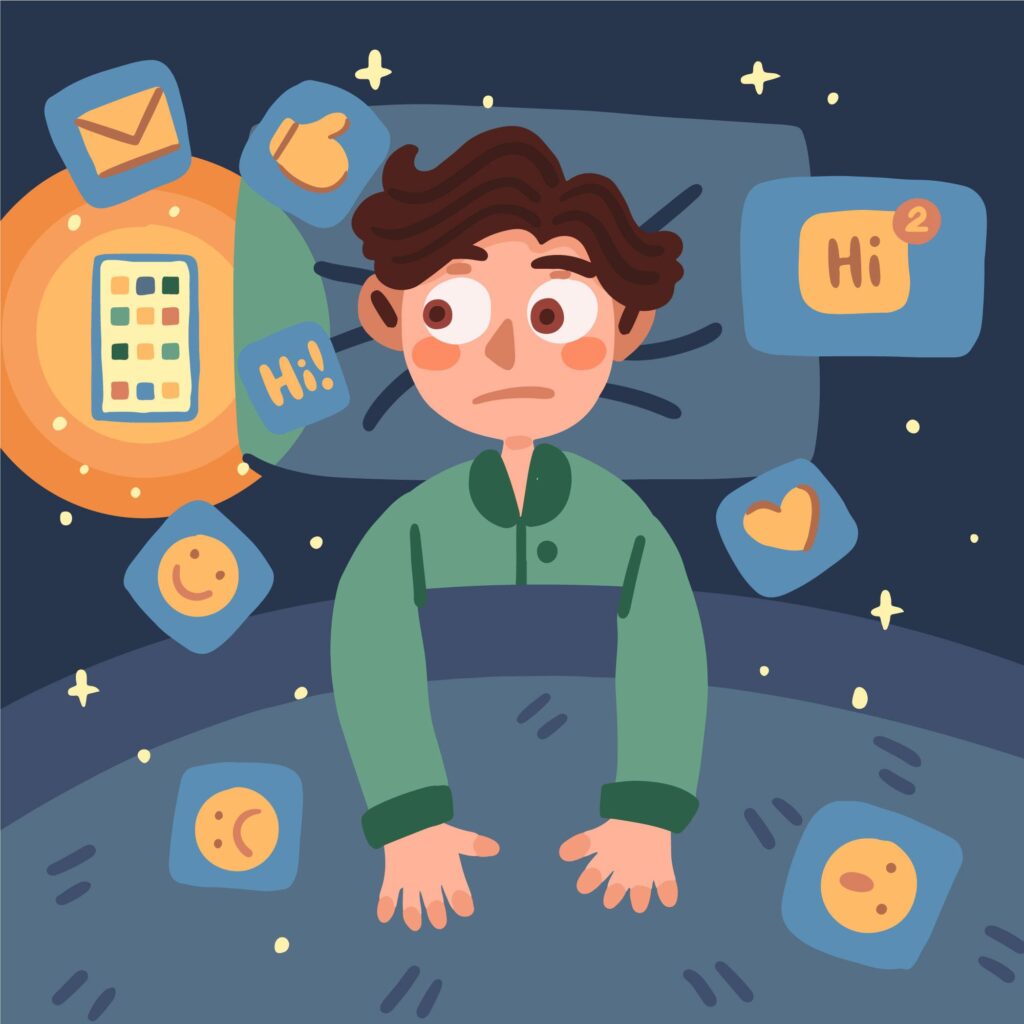
- Stay up late engaging in hyperfocus activities (work, gaming, scrolling)
- Struggle with time management and forget bedtime altogether
- Feel “wired but tired” at night
- Experience irregular sleep schedules, especially on weekends
Adults with ADHD are also more likely to have comorbid insomnia, anxiety, or depression, which further disrupt sleep quality.
Interestingly, some report that their focus improves late at night, a phenomenon known as “night owl hyperfocus” — reinforcing the tendency to delay sleep.
💊 The Medication Factor
ADHD medications — particularly stimulants like methylphenidate (Ritalin) or amphetamines (Adderall) — can both help and harm sleep.
- When taken too late in the day, they may cause insomnia or delayed sleep onset.
- However, when properly timed, they can reduce daytime hyperactivity, making it easier to relax at night.
Non-stimulant medications (like atomoxetine or guanfacine) may have fewer sleep-disrupting effects, but every individual responds differently.
It’s important to work closely with a healthcare provider to find the right dosage and schedule that supports both attention and sleep.
🔄 The Sleep–ADHD Feedback Loop
The relationship between ADHD and sleep isn’t one-directional — it’s a feedback loop.
| Poor Sleep | Effects on ADHD |
|---|---|
| Inattention | Reduced executive function |
| Hyperactivity | Impulsivity increases |
| Emotional dysregulation | Greater mood swings |
| Daytime fatigue | Lower motivation and memory retention |
Chronic sleep deprivation mimics ADHD symptoms even in people without the disorder.
For those with ADHD, it intensifies existing challenges — making daily life feel like an uphill battle.
🧘 How to Improve Sleep with ADHD
While there’s no one-size-fits-all approach, combining behavioral, environmental, and medical strategies can significantly improve sleep quality.
1. Establish a Wind-Down Routine
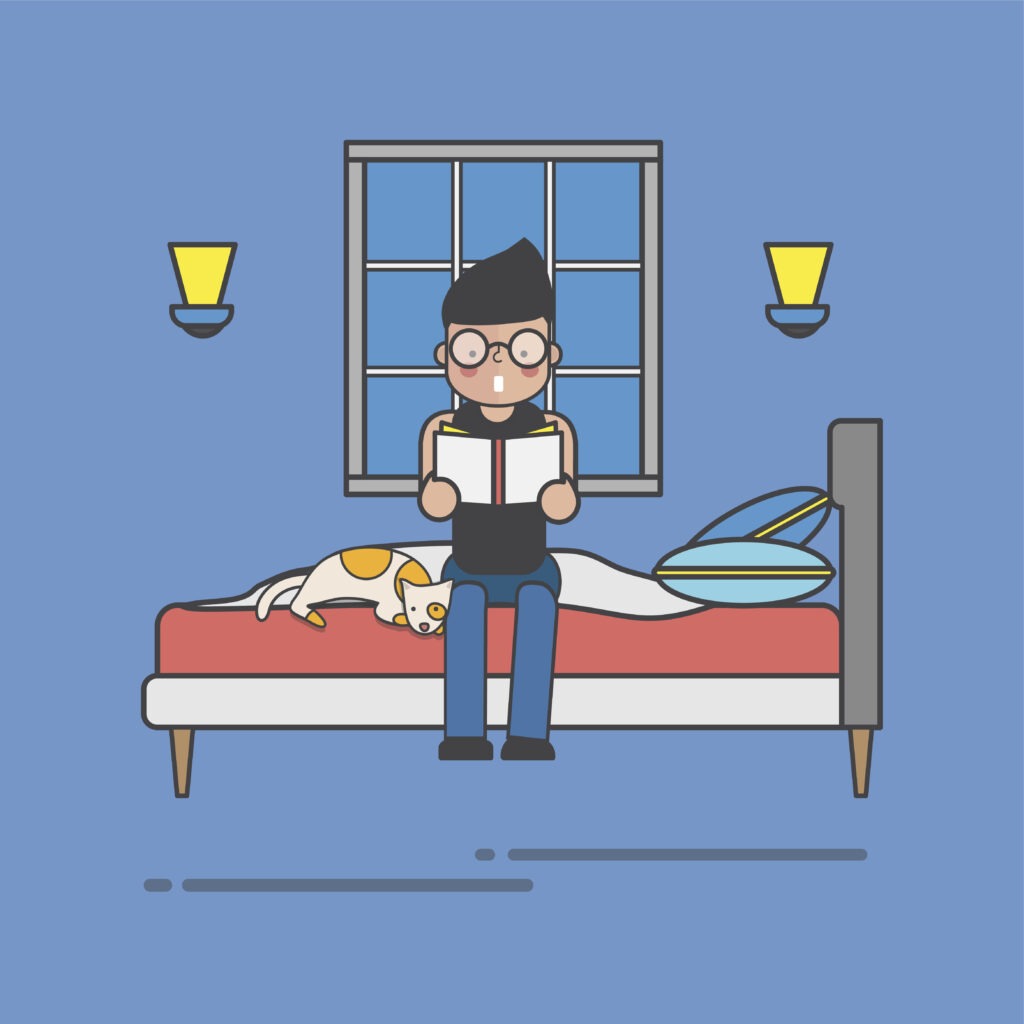
Create a predictable bedtime ritual: dim lights, avoid screens, listen to calming music, or take a warm shower.
2. Set Consistent Sleep and Wake Times
Stick to the same schedule — even on weekends. ADHD brains thrive on structure.
3. Avoid Stimulation Before Bed
No caffeine, heavy meals, or stimulating activities (like video games) 2–3 hours before bedtime.
4. Use Light Strategically
Morning sunlight helps reset circadian rhythm.
At night, limit blue light exposure from phones or computers.
5. Try Cognitive Behavioral Therapy for Insomnia (CBT-I)
This structured approach helps retrain the brain to associate the bed with sleep — not worry or stimulation.
6. Evaluate Medication Timing
Work with a doctor to ensure ADHD meds are not taken too late in the day.
7. Consider Melatonin (Under Supervision)
Some ADHD individuals benefit from melatonin supplements to help signal sleep onset, though dosage and timing matter.
8. Create a Calm Sleep Environment
A cool, dark, and quiet bedroom can reduce sensory overload and promote relaxation.
🧪 Research Insights: ADHD, Sleep, and the Brain
Recent studies shed light on the biological underpinnings of ADHD-related sleep problems:
- Journal of Attention Disorders (2021): Found that ADHD patients had lower evening melatonin onset and disrupted sleep efficiency.
- Sleep Medicine Reviews (2020): Reported that treating sleep problems improved ADHD symptoms in both children and adults.
- NeuroImage (2019): Brain imaging revealed altered connectivity in the suprachiasmatic nucleus (SCN) — the brain’s master clock — in people with ADHD.
These findings highlight that addressing sleep is not optional in ADHD management; it’s essential.
🌟 Final Thoughts: Rest Is Part of ADHD Care
Sleep is not just a side effect of ADHD — it’s part of the condition itself.
Understanding this helps reframe treatment beyond medication and behavior management.
Whether you’re a parent helping a child, or an adult managing ADHD independently, improving sleep can lead to better focus, mood, and emotional balance.
Better sleep doesn’t cure ADHD — but it can make life with ADHD far easier to manage.