
🌙 Why Sleep Matters — and How Relaxation Plays a Role
A good night’s sleep is essential for physical recovery, emotional balance, and mental clarity.
Yet millions struggle with insomnia, stress, and poor sleep quality.
While many turn to supplements or sleep gadgets, sometimes the simplest solutions — like a warm Epsom salt bath — can be surprisingly effective.
Epsom salt baths have been a centuries-old remedy for stress relief and body relaxation.
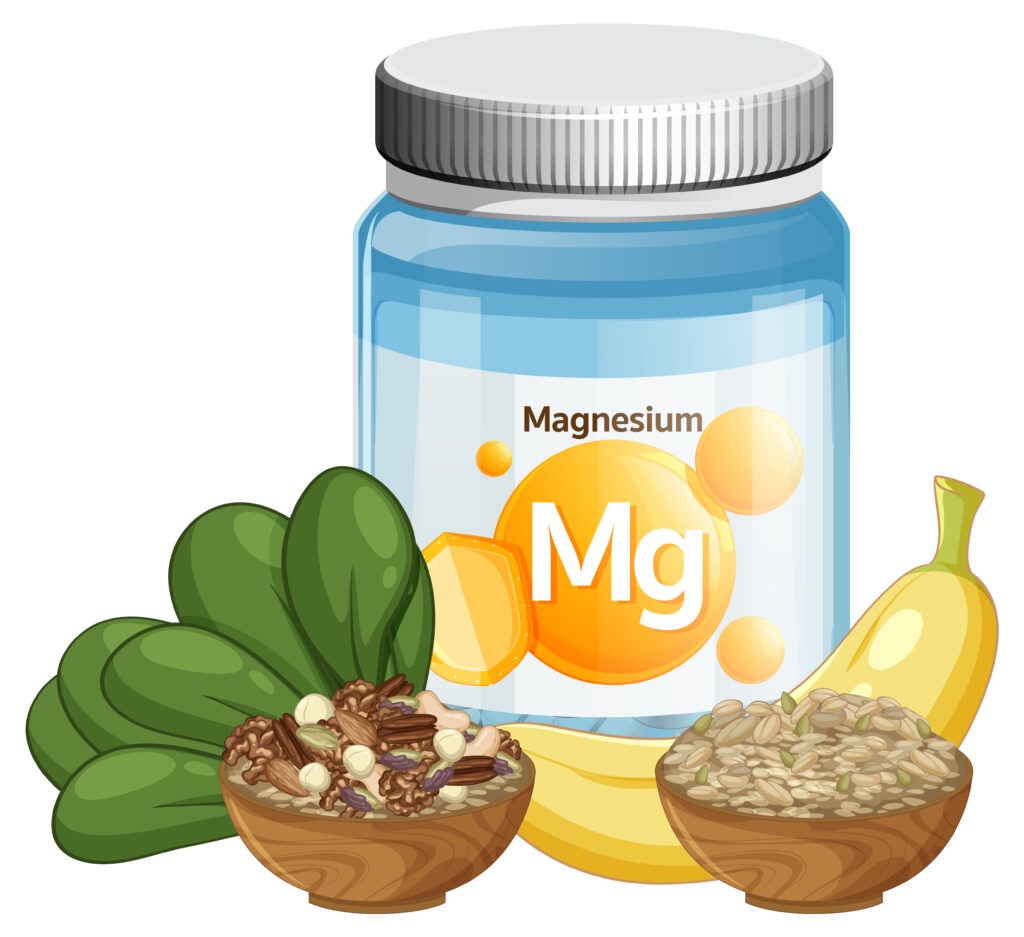
Modern science now supports what traditional healers have known all along: magnesium, the main component of Epsom salt, plays a vital role in helping the body unwind before bed.
🧂 What Is Epsom Salt?
Despite its name, Epsom salt isn’t a culinary salt — it’s a naturally occurring mineral compound called magnesium sulfate (MgSO₄).
It was first discovered in the 17th century in Epsom, England, and has been used ever since for its therapeutic and detoxifying properties.
When dissolved in warm water, Epsom salt releases magnesium and sulfate ions, which may be absorbed through the skin, helping replenish magnesium levels in the body.
🧠 The Science: How Epsom Salt Baths Improve Sleep
Magnesium is a crucial mineral involved in over 300 biochemical processes — including those that regulate sleep, muscle relaxation, and stress response.
Here’s how it helps promote better sleep:
- Relaxes Muscles and Reduces TensionMagnesium helps muscles contract and relax properly.
Soaking in an Epsom salt bath can relieve tightness and cramps, preparing your body for rest.
- Calms the Nervous SystemMagnesium supports the activity of GABA (gamma-aminobutyric acid), a neurotransmitter that reduces brain activity and induces calmness — the same system targeted by many natural sleep aids.
- Lowers Cortisol LevelsHigh stress hormone (cortisol) levels make it hard to fall asleep. Magnesium helps balance this, creating a state of relaxation.
- Improves Melatonin FunctionMagnesium assists in the natural production of melatonin, the hormone that regulates your sleep-wake cycle.
In short, an Epsom salt bath works by preparing both your body and mind for rest — easing tension, quieting thoughts, and signaling it’s time to wind down.
🛀 How to Take an Epsom Salt Bath for Better Sleep
Here’s a step-by-step guide to creating the perfect nighttime soak:
🧴 1. Choose Pure Epsom Salt
Make sure the label says “USP Grade Magnesium Sulfate” — this means it’s safe for bathing use.
Avoid products with added perfumes or artificial dyes, as they can irritate the skin or interfere with relaxation.
🌡️ 2. Set the Water Temperature
Use warm, not hot, water — ideally around 37–39°C (98–102°F).
Too hot can raise your heart rate and make you feel more alert instead of relaxed.
⚖️ 3. Measure the Right Amount
Use 2 cups (about 475g) of Epsom salt for a standard-size bathtub filled with warm water.
For smaller tubs or foot baths, use ½ to 1 cup.
⏱️ 4. Soak for 15–20 Minutes
This duration is enough to relax muscles and allow magnesium absorption through the skin.
Avoid soaking for too long, as prolonged exposure to hot water can dehydrate your skin.
🕯️ 5. Create a Relaxing Atmosphere
Enhance your bath with:
- Dim lighting or candles
- Soft music or white noise
- A few drops of essential oils like lavender, chamomile, or sandalwood
- Deep breathing or mindfulness meditation while soaking
This combination engages your senses and strengthens your body’s sleep cues.
🛏️ 6. Head Straight to Bed
After bathing, your body temperature naturally drops — a biological trigger that helps induce sleepiness.
Slip into bed while you’re still warm and relaxed to maximize the sleep benefits.
🌸 Optional Additions to Boost Relaxation
Want to turn your bath into a luxurious bedtime ritual? Try adding:
| Additive | Benefit |
|---|---|
| Lavender essential oil (5–10 drops) | Calms the mind, reduces anxiety, and promotes deep sleep. |
| Chamomile essential oil (5 drops) | Gently sedative and soothing. |
| Baking soda (½ cup) | Softens skin and enhances detox effects. |
| Carrier oil (like jojoba or coconut oil) | Prevents dryness and nourishes the skin. |
Avoid using essential oils directly on the skin without dilution — always mix them with a carrier oil before adding to your bath.
🧬 Can Magnesium Really Be Absorbed Through the Skin?
This is a common question among health enthusiasts and skeptics alike.
While some studies have questioned the extent of transdermal magnesium absorption, there’s growing evidence that skin uptake does occur, particularly when:
- The water is warm (which opens pores), and
- Soaking is done regularly over time.
A 2017 study published in the European Journal of Nutrition found that magnesium levels in the blood increased after daily Epsom salt baths for one week, suggesting some level of absorption is possible.
Even if absorption is limited, the relaxation effect alone — from the heat, ritual, and aromatherapy — still provides measurable benefits for sleep and stress reduction.
⚠️ Safety Tips and Precautions
Epsom salt baths are generally safe for most adults, but there are a few things to keep in mind:
- Avoid soaking if you have open wounds, burns, or skin infections.
- Consult your doctor if you have heart disease, diabetes, or kidney problems, as magnesium can affect fluid balance.
- Stay hydrated before and after bathing — warm water can cause mild dehydration.
- If you feel dizzy or overheated, get out of the tub immediately.
💧 Tip: Rinse off with cool water afterward to remove salt residue and refresh your skin.
💭 How Often Should You Take an Epsom Salt Bath?
For most people, 2–3 baths per week is enough to experience relaxation and sleep benefits.
You can increase frequency during stressful weeks or after intense physical activity.
If you prefer daily relaxation, alternate full baths with Epsom salt foot soaks — they provide many of the same benefits in less time and with less water.
🌙 Final Thoughts: A Simple, Natural Path to Better Sleep
You don’t always need supplements or sleep medications to improve rest.
Sometimes, a warm bath infused with Epsom salt can do wonders for your body and mind.
This gentle ritual combines heat therapy, mineral replenishment, and sensory relaxation, all of which prepare you for deep, restorative sleep.
💤 In essence: An Epsom salt bath isn’t just self-care — it’s a natural science-backed way to relax your body, calm your mind, and drift into sleep peacefully.
So tonight, turn off your phone, light a candle, and let your stress melt away — one warm bath at a time.

 English
  Indonesian
  Chinese