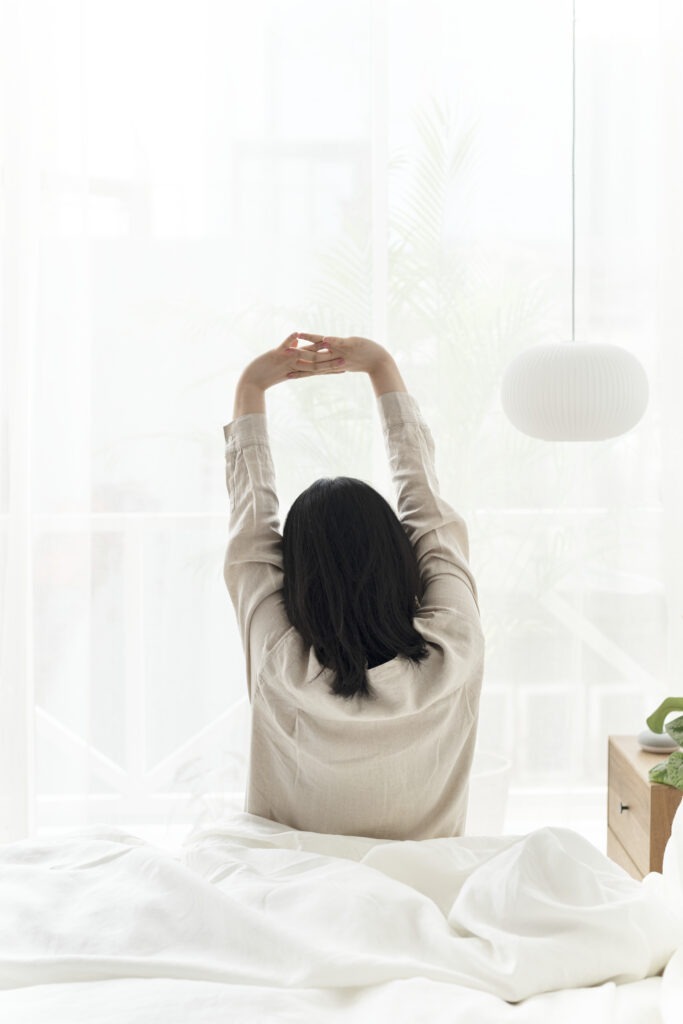
In today’s world of constant notifications, overflowing closets, and endless to-do lists, finding true rest can feel impossible. Many people turn to expensive mattresses, supplements, or high-tech sleep gadgets, but there’s a simpler, often overlooked solution: minimalism.
A minimalist lifestyle isn’t just about owning fewer things—it’s about creating clarity, reducing stress, and aligning your environment with what truly matters. When applied to your daily life and bedroom, minimalism can dramatically improve your sleep quality.
How Minimalism Improves Sleep
Minimalism impacts sleep in several ways, both psychologically and physically:
- Reduced Stress and Anxiety
Cluttered spaces create mental clutter. A clean, minimalist room signals safety and calm, helping your brain wind down. - Better Sleep Environment
A simple bedroom with fewer distractions—like electronics, piles of clothes, or unnecessary furniture—reduces overstimulation. - Consistent Routine
Minimalism often leads to simplified schedules and habits, encouraging regular sleep and wake times. - Focus on Essentials
By prioritizing sleep essentials (like a supportive mattress and breathable bedding) and removing excess, you set the stage for deeper rest.
Decluttering Your Bedroom for Better Rest
A minimalist bedroom isn’t about being bare or boring—it’s about intentional design. Here’s how to start:
- Remove Digital Distractions: Keep phones, TVs, and laptops out of the bedroom.
- Simplify Furniture: Limit to essentials like a bed, nightstand, and maybe a dresser.
- Neutral Colors: Soft, calming tones promote relaxation better than bold, busy patterns.
- Bedding Essentials: Invest in quality sheets and pillows rather than multiple decorative items.
- Air and Light Flow: Use blackout curtains at night, but allow natural light in during the day to regulate circadian rhythm.
Daily Minimalist Habits That Support Sleep
1. Simplify Evening Routines
Instead of rushing through chores, choose calming habits like journaling, light stretching, or herbal tea.
2. Limit Consumption
Minimalism also applies to diet and media. Avoid overstimulation from caffeine, alcohol, or late-night doomscrolling.
3. Practice Gratitude
Writing down a few things you’re grateful for reduces stress and promotes positive thoughts before bed.
4. Create a Sleep-First Schedule
Minimalists often live intentionally. Protect your sleep by saying “no” to unnecessary commitments that cut into rest.
Minimalism Beyond the Bedroom
Minimalism doesn’t end with your sleep space. A decluttered home and lifestyle promote peace of mind throughout the day. This reduces stress levels, lowers cortisol, and sets you up for easier transitions into sleep at night.
Examples include:
- Owning fewer clothes, so morning routines are faster and less stressful.
- Streamlining your workspace to prevent overstimulation and burnout.
- Practicing mindful spending, which reduces financial stress that often disrupts sleep.
Final Thoughts
Minimalism is more than an aesthetic—it’s a lifestyle that fosters balance, intention, and rest. By reducing clutter and focusing on what matters most, you can lower stress, create a peaceful sleep environment, and finally experience maximum sleep quality.
If you’ve tried every sleep hack and still wake up tired, perhaps the answer lies not in adding more, but in living with less.



 English
  Indonesian
  Chinese