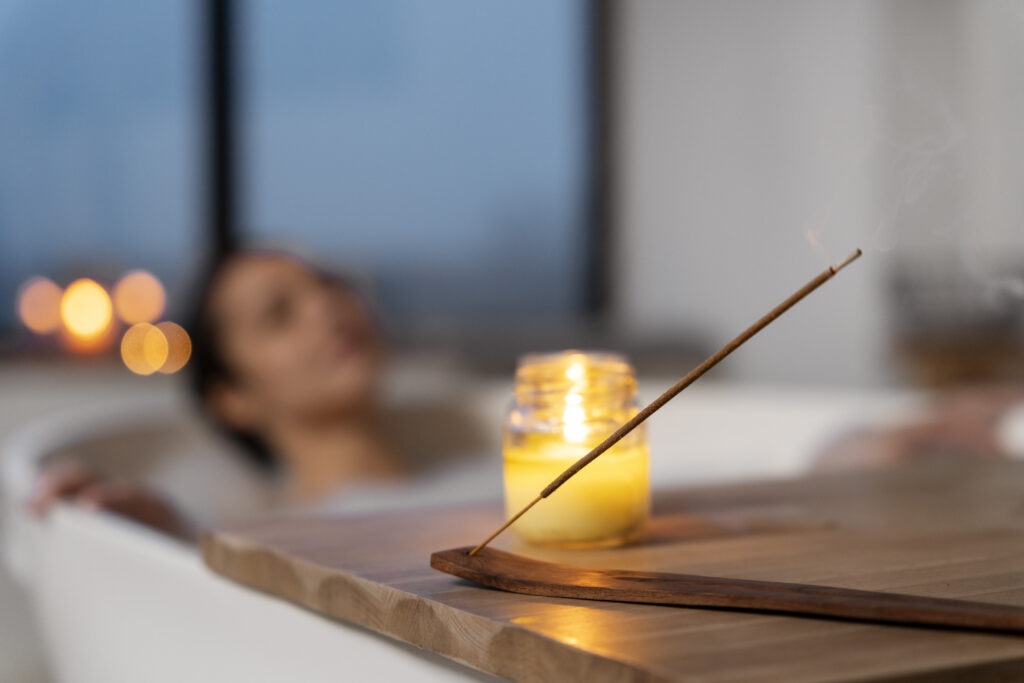
🌸 The Power of Scent in Sleep Science
We all know the feeling — you step into a room that smells like lavender or vanilla, and suddenly your body relaxes. That’s not just in your head — it’s the science of aromatherapy, a centuries-old practice that uses essential oils to influence mood, stress, and sleep.
Recent research shows that certain scents can reduce anxiety, lower heart rate, and trigger relaxation responses, all of which prepare your body for restful sleep. Whether through diffusers, pillow sprays, or bath oils, aromatherapy can be a powerful, natural tool to improve sleep quality.
🧠 How Aromatherapy Works
Aromatherapy functions through the olfactory system — your sense of smell. When you inhale an aroma, scent molecules travel to the olfactory bulb in your brain, which connects directly to the limbic system, the region that regulates emotions, stress, and memories.
This means that the right scents can:
- Decrease cortisol (stress hormone) levels
- Boost serotonin and melatonin production
- Slow down heart rate and breathing
- Promote a state of calm before bedtime
In short, the scent of essential oils can send a message to your brain that it’s time to relax, unwind, and sleep.
🌿 Top Essential Oils for Better Sleep
Not all scents are created equal when it comes to sleep. Here are the most well-researched and effective oils known to enhance rest and relaxation.
1. Lavender: The Classic Sleep Aid
Lavender is the most popular essential oil for sleep — and for good reason. It’s rich in compounds like linalool and linalyl acetate, which have calming and sedative effects on the nervous system.
Studies have shown that lavender aromatherapy can:
- Improve sleep quality in people with insomnia
- Reduce anxiety before bed
- Lower blood pressure and heart rate
💡 How to use:
Add a few drops to a diffuser 30 minutes before bedtime, or spray diluted lavender oil on your pillow.
2. Chamomile: The Soothing Relaxant
Chamomile is another timeless remedy for restlessness. While it’s best known as a tea, chamomile essential oil also promotes sleep by activating GABA receptors in the brain, which help calm overactive thoughts.
💡 How to use:
Diffuse chamomile oil or mix a few drops with a carrier oil for a relaxing hand or neck massage before bed.
3. Bergamot: The Citrus That Calms
Unlike most citrus oils, bergamot doesn’t energize — it actually soothes. Bergamot oil can reduce stress hormones, balance mood, and prepare your body for rest without making you feel sluggish.
💡 How to use:
Combine bergamot with lavender or sandalwood in a diffuser to create a gentle, spa-like aroma that eases tension.
4. Sandalwood: The Grounding Aroma
Sandalwood has a warm, woody scent that promotes mental clarity while reducing anxiety. Its sedative properties help the body enter a relaxed state — perfect for meditation or winding down before bed.
💡 How to use:
Inhale directly from the bottle or place a drop on your wrists and temples. You can also add it to a nighttime bath for deep relaxation.
5. Ylang-Ylang: The Mood Balancer
With its sweet, floral aroma, ylang-ylang has been used for centuries to reduce stress and balance heart rate. It helps calm the mind, making it easier to drift off naturally.
💡 How to use:
Blend ylang-ylang with lavender and carrier oil for a comforting, gentle sleep blend.
6. Cedarwood: The Natural Sedative
Cedarwood oil contains cedrol, a compound known for its sedative effects. It can lower blood pressure and heart rate, signaling your body that it’s time to rest.
💡 How to use:
Diffuse cedarwood oil alone or mix with vetiver and lavender for a woodsy, grounding aroma.
💤 The Science Behind Aromatherapy and Sleep
Several studies support the use of aromatherapy as a non-pharmacological sleep aid:
- A 2021 study in BMC Complementary Medicine found that lavender and bergamot essential oils significantly improved sleep quality and reduced insomnia symptoms in adults.
- Another study from Frontiers in Behavioral Neuroscience showed that inhaling lavender oil activated brain regions related to relaxation and reduced anxiety-related brain activity.
- In elderly patients and postpartum women, aromatherapy massages improved both sleep duration and depth.
These findings suggest that essential oils don’t just smell nice — they actually interact with your nervous system and brain chemistry to support deeper, more restorative sleep.
🕯️ Best Ways to Use Aromatherapy for Sleep
You can incorporate aromatherapy into your nighttime routine in several ways:
- Diffusers:Add 3–5 drops of essential oil to a diffuser filled with water. Run it 30 minutes before bed to scent your room.
- Pillow or Linen Sprays:Mix essential oils with distilled water and a bit of witch hazel in a spray bottle. Lightly mist your pillow before sleeping.
- Baths:Add a few drops of calming oils (like lavender or chamomile) to warm bathwater for a relaxing soak.
- Massage or Body Oils:Dilute essential oils with a carrier oil (like coconut or jojoba) and apply to your wrists, neck, or feet.
- Aromatherapy Roll-ons:Convenient for travel or on-the-go relaxation. Apply on pulse points before bedtime.
💡 Note: Always dilute essential oils properly and perform a patch test before applying to skin.
🧘♀️ Combining Aromatherapy with Sleep Hygiene
While aromatherapy can make a big difference, it works best when combined with healthy sleep hygiene habits. Here’s how to amplify its effects:
- Keep your bedroom cool, dark, and quiet.
- Avoid screens at least 30–60 minutes before bed.
- Practice deep breathing or meditation while diffusing essential oils.
- Stick to a consistent bedtime routine — scent cues help your brain associate aroma with sleep.
Over time, your mind begins to connect certain smells (like lavender or sandalwood) with the act of falling asleep — a psychological conditioning that makes rest come more easily.
🌼 The Psychological Impact of Scent
Beyond its physical effects, scent has a strong emotional component. Because smell is closely tied to memory, inhaling familiar, pleasant aromas can instantly trigger a sense of comfort and safety — two emotions essential for restful sleep.
This is why aromatherapy often becomes a nightly ritual — it trains the body and brain to enter “rest mode” faster, reinforcing positive associations with bedtime.
🌙 Final Thoughts: Breathe, Relax, Sleep
Aromatherapy bridges the gap between science and serenity. Whether you prefer the floral calm of lavender or the earthy peace of sandalwood, incorporating scent into your sleep routine can transform your nights from restless to restorative.
🌸 Bottom line: Aromatherapy isn’t magic — it’s biology. By influencing your brain and emotions, natural scents create the ideal environment for deep, quality sleep.


 English
  Indonesian
  Chinese