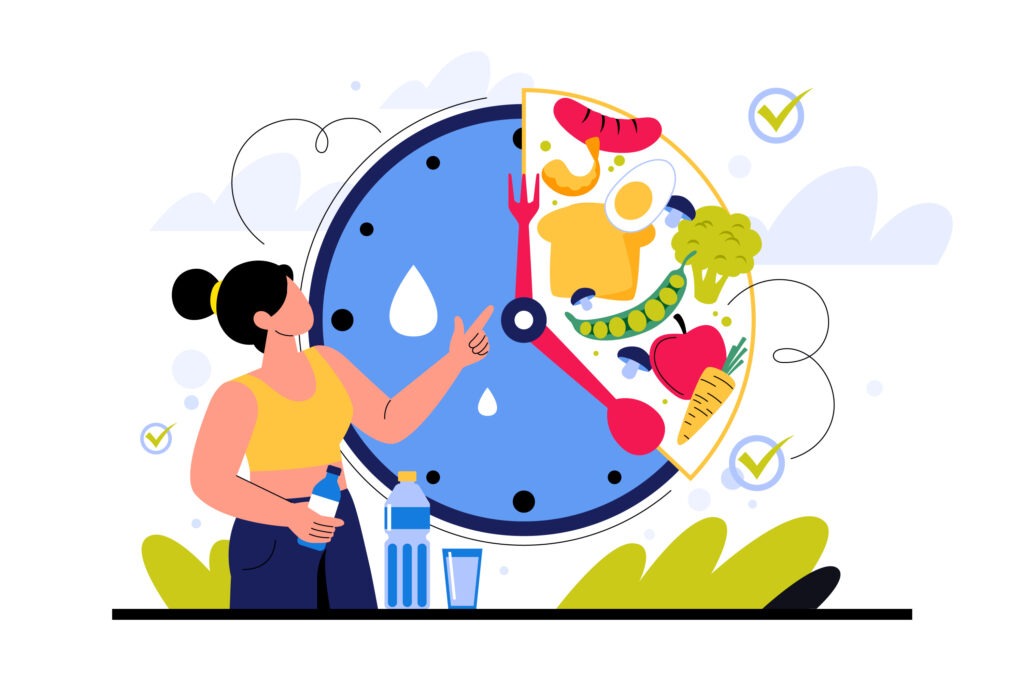
Intermittent fasting (IF) has grown in popularity as a health trend, praised for its potential benefits in weight management, metabolism, and overall wellness. But many people wonder: does intermittent fasting affect your sleep?
The answer is nuanced. Fasting alters hormone levels, digestion patterns, and circadian rhythms—all of which can directly or indirectly influence sleep quality. While some find that intermittent fasting leads to deeper rest, others report difficulties falling asleep or staying asleep.
This article explores the science behind intermittent fasting and sleep, and offers practical strategies to find the right balance.
How Intermittent Fasting Interacts with Sleep
- Circadian Rhythm Alignment
- Our bodies are naturally wired to eat during the day and rest at night.
- Intermittent fasting, especially early time-restricted feeding, can strengthen circadian rhythms, making it easier to fall asleep.
- Hormonal Changes
- Blood Sugar Stability
- Skipping late-night snacks prevents glucose spikes that can keep the brain alert.
- However, fasting too aggressively can lead to low blood sugar at night, causing restlessness.
- Digestion and Comfort
- An empty stomach before bed often aids sleep by reducing digestive stress.
- For some, hunger pangs may interfere with relaxation and delay sleep onset.
Positive Impacts of Intermittent Fasting on Sleep
- Improved Sleep Consistency: Regular eating windows reinforce consistent bedtimes.
- Better Sleep Efficiency: Some studies suggest fasting reduces nighttime awakenings.
- Deeper Sleep Stages: Enhanced production of growth hormone during fasting periods supports restorative sleep.
- Reduced Nighttime Indigestion: No heavy meals before bed means less acid reflux and discomfort.
Potential Downsides of Fasting for Sleep
- Initial Adjustment Period: When starting IF, many people experience short-term insomnia as the body adapts.
- Increased Cortisol: Prolonged fasting or late-night hunger may elevate stress hormones, disrupting rest.
- Individual Sensitivity: Some people simply sleep better with a light snack before bed.
Tips to Balance Intermittent Fasting and Restful Sleep
- Choose the Right Window
- Opt for an eating schedule that ends 2–4 hours before bedtime.
- Early time-restricted feeding (e.g., 8 a.m.–4 p.m.) aligns best with natural circadian rhythms.
- Stay Hydrated
- Dehydration during fasting hours can cause nighttime thirst. Drink enough water throughout the day.
- Balance Nutrients
- Break your fast with nutrient-dense meals including protein, complex carbs, and healthy fats to avoid blood sugar crashes.
- Listen to Your Body
- If hunger keeps you awake, consider shifting your fasting window earlier.
- Intermittent fasting should enhance, not harm, your sleep and health.
- Avoid Caffeine Late in the Day
- Since IF already alters energy levels, caffeine can further interfere with sleep quality.
Final Thoughts
Intermittent fasting can either be a sleep enhancer or a sleep disruptor, depending on how it’s practiced and how your body responds. Aligning your fasting schedule with your circadian rhythm, avoiding late-night eating, and ensuring nutrient-rich meals are key to making fasting support, rather than sabotage, your rest.
If you find fasting consistently keeps you awake at night, it may be a sign to adjust your eating window—or explore a different approach that better suits your lifestyle.



 English
  Indonesian
  Chinese