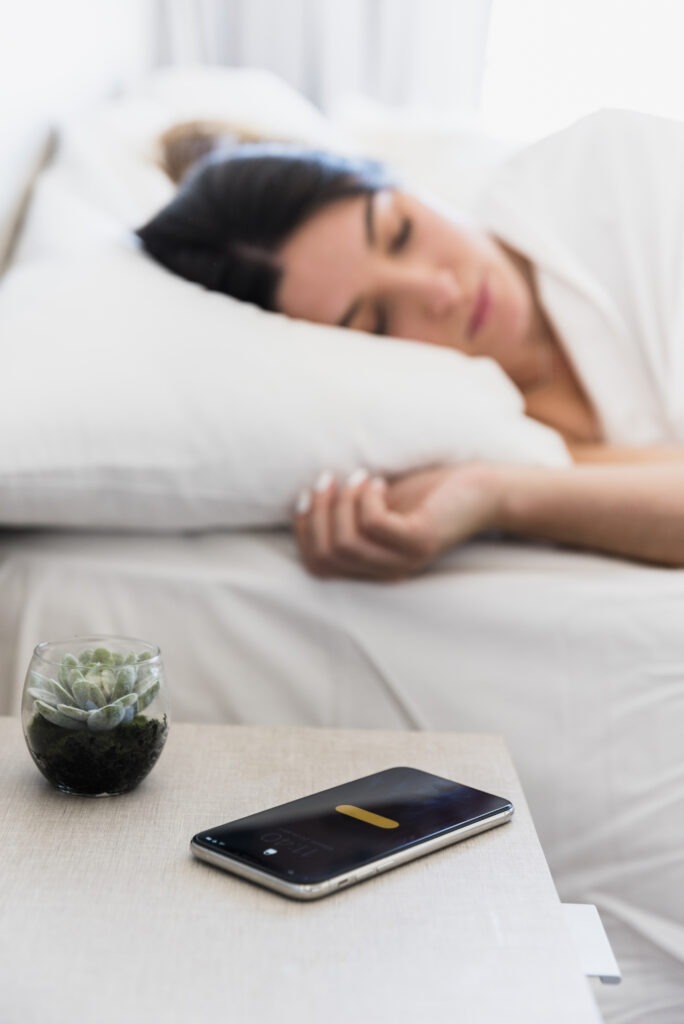
In today’s digital age, there seems to be an app for everything—including sleep. From meditation tools to smart alarm clocks, sleep apps promise to help you drift off faster, track your cycles, and wake up refreshed. But the question remains: do sleep apps really improve your rest, or are they just digital distractions?
Let’s explore what sleep apps can (and can’t) do for your nightly rest, and how to decide if they’re worth adding to your bedtime routine.
What Are Sleep Apps?
Sleep apps are smartphone applications designed to support better sleep. They typically fall into several categories:
1. Sleep Tracking Apps
* Measure sleep stages using your phone’s microphone, accelerometer, or paired wearables.
* Provide reports on light, deep, and REM sleep.
2. Relaxation & Meditation Apps
* Include calming sounds, bedtime stories, breathing exercises, and guided meditations.
3. Smart Alarm Apps
* Wake you gently at the optimal stage of your sleep cycle to reduce grogginess.
4. Cognitive Behavioral Therapy for Insomnia (CBT-I) Apps
* Offer structured programs that address long-term sleep issues.
Potential Benefits of Sleep Apps
When used wisely, sleep apps may provide tangible benefits:
* Increased Sleep Awareness
* By tracking patterns, users gain insight into sleep duration, bedtime consistency, and disruptions.
* Relaxation and Stress Relief
* Soundscapes, white noise, and guided meditations can reduce anxiety before bedtime.
* Better Sleep Timing
* Smart alarms help users wake during lighter sleep, reducing morning fatigue.
* Support for Insomnia
* CBT-I–based apps give evidence-backed strategies for people struggling with chronic sleep issues.
Limitations and Concerns
While promising, sleep apps aren’t magic solutions. Some limitations include:
* Accuracy Issues: Phone-based sensors are less accurate than dedicated sleep trackers like smart rings or medical devices.
* Over-Reliance on Data: Constantly checking sleep scores may increase anxiety, ironically making sleep harder.
* Distraction Risk: Using phones near bedtime exposes users to blue light, which can delay melatonin production.
* Privacy Concerns: Many apps collect sensitive health data—users should review privacy policies carefully.
Expert Opinions on Sleep Apps
Sleep specialists often view apps as helpful tools but not replacements for medical evaluation. For mild sleep issues, they may encourage relaxation and consistency. But for chronic insomnia or suspected sleep disorders like apnea, professional diagnosis remains essential.
A 2023 review in Nature and Science of Sleep noted that while apps increase awareness, their accuracy varies greatly, and most lack FDA approval for medical use.
How to Use Sleep Apps Effectively
If you’re considering using a sleep app, follow these best practices:
1. Choose the Right App: Look for apps with good reviews, evidence-based features, and transparent privacy policies.
2. Limit Screen Exposure: Activate night mode or use apps with audio-only features to avoid blue light.
3. Focus on Consistency: Use apps to track bedtime regularity rather than obsessing over nightly fluctuations.
4. Pair with Healthy Habits: Combine apps with proven sleep hygiene practices like limiting caffeine and keeping a cool bedroom.
Final Thoughts
So, do sleep apps really improve your rest? The answer is: yes and no. They can enhance relaxation, increase awareness, and provide gentle support for better sleep—but they aren’t a cure-all. Their effectiveness largely depends on how you use them, and whether you also practice healthy lifestyle habits.
If used mindfully, sleep apps can serve as helpful companions on your journey toward better sleep. But remember, the best sleep solutions still come from consistent routines, a supportive sleep environment, and—in some cases—professional guidance.