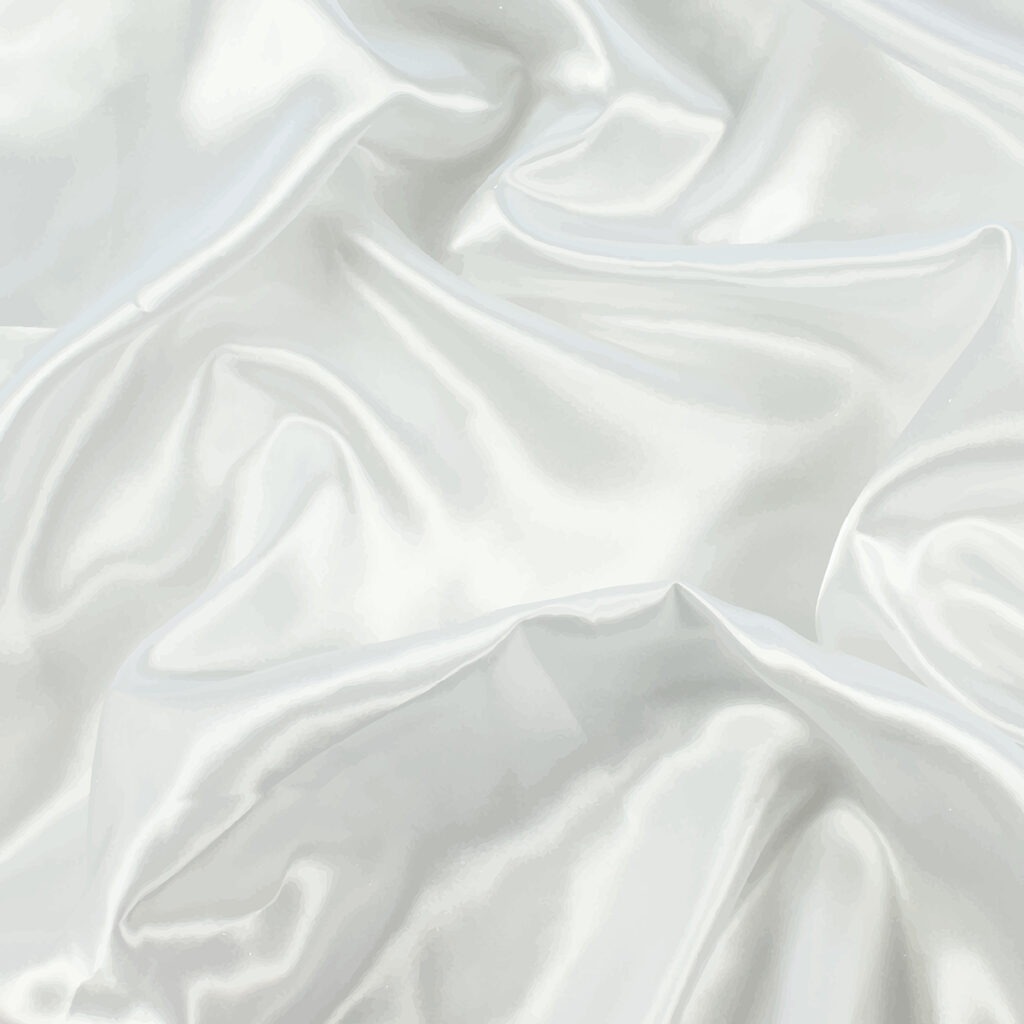
Silk sheets have long been associated with luxury, elegance, and indulgence. But beyond the soft, glossy texture and aesthetic appeal, many people wonder: do silk sheets really improve sleep quality? The answer is more scientific than you might expect.
Silk bedding offers unique advantages over cotton, polyester, or linen, particularly in terms of temperature regulation, skin benefits, and comfort. Let’s take a closer look at the science and practical benefits of sleeping on silk.
The Natural Properties of Silk
Silk is a protein-based fiber derived from silkworms, which gives it properties that stand out from other fabrics:
- Temperature Regulation – Silk naturally adjusts to body temperature, keeping you cool in the summer and warm in the winter.
- Hypoallergenic Qualities – Resistant to dust mites, mold, and allergens, making it ideal for sensitive sleepers.
- Moisture Retention – Unlike cotton, silk does not absorb natural oils and moisture from your skin and hair, helping to maintain hydration.
- Smooth Surface – The sleek texture reduces friction against the skin and hair.
Benefits of Silk Sheets for Sleep Quality
- Better Temperature Control
- Overheating is a major cause of nighttime wakefulness. Silk sheets help regulate body heat, creating a more consistent sleep environment.
- Skin Health
- Dermatologists often recommend silk pillowcases for people with acne-prone or sensitive skin. The smooth surface reduces irritation and supports skin hydration.
- Hair Care
- The low-friction surface prevents tangles, frizz, and split ends, particularly beneficial for curly or textured hair.
- Enhanced Comfort
- Comfort itself plays a big role in sleep quality. The luxurious feel of silk may help you relax faster and stay asleep longer.
Comparing Silk to Other Fabrics
- Cotton: Breathable and durable but tends to absorb moisture and body oils.
- Linen: Excellent for hot climates but rougher in texture.
- Polyester/Microfiber: Affordable and easy to wash but lacks breathability and can trap heat.
Silk combines softness, breathability, and luxury, making it stand out for those seeking improved rest and comfort.
Are There Downsides to Silk Sheets?
While silk bedding offers many benefits, there are also some considerations:
- Price: Genuine mulberry silk sheets are expensive.
- Maintenance: Requires delicate washing and air-drying to maintain quality.
- Durability: Less durable than cotton or microfiber with frequent washing.
For some, these drawbacks may be outweighed by the comfort and health benefits.
Tips for Choosing Silk Sheets
- Check the Momme Count – A measurement of silk fabric weight. Aim for 19–25 momme for a balance of durability and luxury.
- Choose Mulberry Silk – The highest quality silk with consistent fibers and smooth texture.
- Look for OEKO-TEX Certification – Ensures the fabric is free from harmful chemicals.
- Start with Pillowcases – If unsure about the investment, begin with silk pillowcases to test the benefits.
Final Thoughts
Silk sheets aren’t just a luxury splurge—they can actively improve your sleep quality by regulating body temperature, reducing skin irritation, and enhancing overall comfort. While they may require more care and come with a higher price tag, many sleepers find that the benefits outweigh the drawbacks.
If you’ve been struggling with discomfort, overheating, or sensitive skin, switching to silk bedding could be a simple yet effective way to improve your nightly rest.