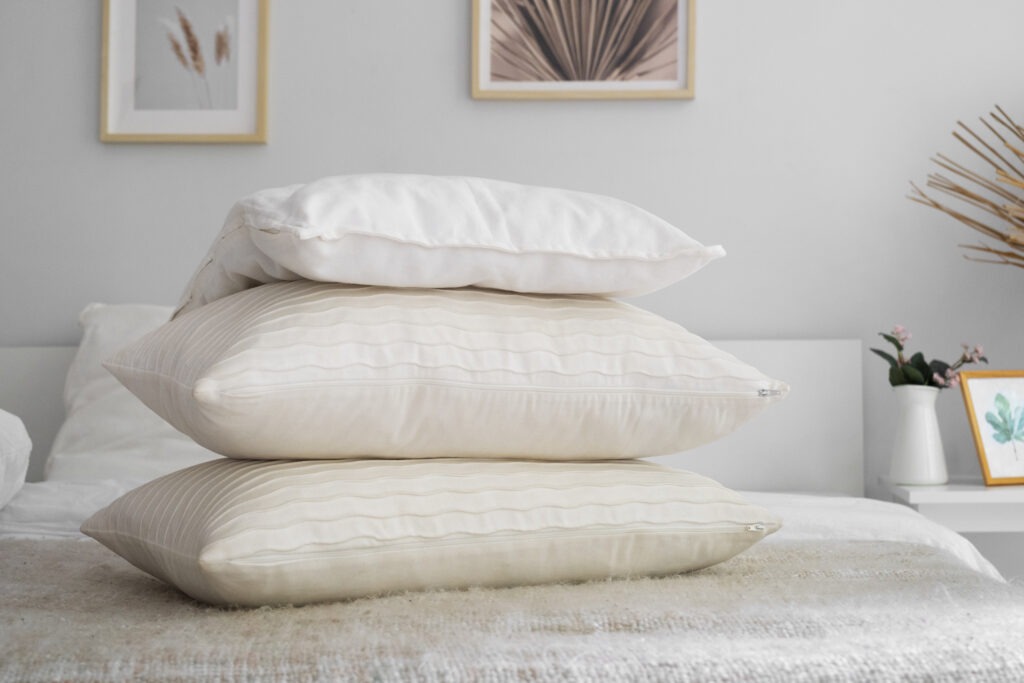
Snoring is more than just a nighttime annoyance—it can disrupt your sleep, disturb your partner, and even point to underlying issues such as sleep apnea. While lifestyle habits and clinical treatments are often recommended, many people wonder: can a specialized pillow actually help reduce snoring?
In this guide, we’ll explore the science behind anti-snore pillows, the types available, and how effective they can be in improving sleep quality.
Why Snoring Happens
Snoring occurs when airflow through the nose or mouth becomes partially blocked during sleep. Common causes include:
- Sleeping on your back, which allows the tongue to fall backward
- Relaxed throat muscles narrowing the airway
- Nasal congestion, allergies, or blocked nasal passages
- Excess weight that increases pressure around the airway
Because sleep position and airway alignment play major roles, pillows designed to support better posture may provide relief.
How Anti-Snore Pillows Help
Anti-snoring pillows aim to improve head, neck, and airway alignment, reducing the chance of obstruction. These pillows are typically designed to:
- Promote side sleeping (a position known to reduce snoring)
- Gently elevate the head to keep the airway open
- Provide ergonomic support to prevent throat tissue from relaxing too much
By encouraging healthier sleep posture, they can lessen vibration in the airway—the main cause of snoring.
Types of Anti-Snore Pillows
- Memory Foam Pillows
Contoured memory foam supports the natural curve of the neck and helps maintain proper alignment. A slight elevation can reduce airway collapse and improve airflow. - Wedge Pillows
These angled pillows elevate the upper body, useful for people who snore while lying flat or who experience acid reflux. - Position-Training Pillows
Designed to discourage back sleeping, these pillows use shape or padding to encourage side-sleeping throughout the night. - Smart Anti-Snore Pillows
High-tech models detect snoring through built-in sensors and automatically adjust the sleeper’s position to help reopen the airway without fully waking them.
How Effective Are They?
Anti-snore pillows can be quite effective for positional snorers—people who snore primarily when lying on their back. These pillows help maintain better alignment and reduce airway blockage.
However:
- They may provide partial relief for snoring caused by nasal congestion.
- They do not treat sleep apnea, though they may reduce symptoms slightly.
- Results vary depending on the underlying cause of snoring.
Research shows that sleeping at a slight incline can reduce snoring intensity, but effectiveness depends on the individual.
Additional Ways to Reduce Snoring
For best results, combine an anti-snore pillow with lifestyle adjustments:
- Maintain a healthy weight
- Avoid alcohol before bedtime
- Treat allergies or nasal congestion
- Stick to a consistent sleep schedule
- Seek medical advice if snoring is loud, chronic, or paired with pauses in breathing
Conclusion
Specialized anti-snore pillows can significantly help reduce snoring—especially when the problem is related to sleep position or poor airway alignment. While not a complete solution for everyone, they can be an effective, non-invasive tool for achieving quieter and more restful nights.
If snoring persists, pairing the right pillow with healthy habits and professional guidance will offer the best long-term results.