🌙 The Promise of EEG Sleep Technology
Sleep technology has evolved dramatically—from basic fitness trackers to advanced EEG (electroencephalogram) headbands capable of monitoring your brainwaves while you rest.
These sleek, wearable devices claim to provide lab-grade sleep insights at home, helping users understand their sleep cycles, detect disturbances, and even improve sleep quality through biofeedback and meditation tools.
But the key question remains: Can EEG headbands replace sleep clinics? Or are they still just advanced consumer gadgets?
🧩 Understanding EEG and How It Tracks Sleep
To answer that, let’s first understand what EEG actually does.
Electroencephalography (EEG) measures the electrical activity of your brain. During sleep, your brain passes through distinct stages—light, deep, and REM—each characterized by specific wave patterns:
- Alpha waves (8–13 Hz): Relaxed wakefulness before sleep.
- Theta waves (4–7 Hz): Light sleep and early REM stages.
- Delta waves (0.5–4 Hz): Deep, restorative sleep.
- Beta waves (13–30 Hz): Alertness and dream activity during REM.
EEG headbands use small sensors on your forehead or scalp to detect these brainwaves. Paired with AI-powered apps, they translate this data into detailed reports about how long you spent in each sleep stage and how restful your night was.
🏥 What Happens in a Sleep Clinic
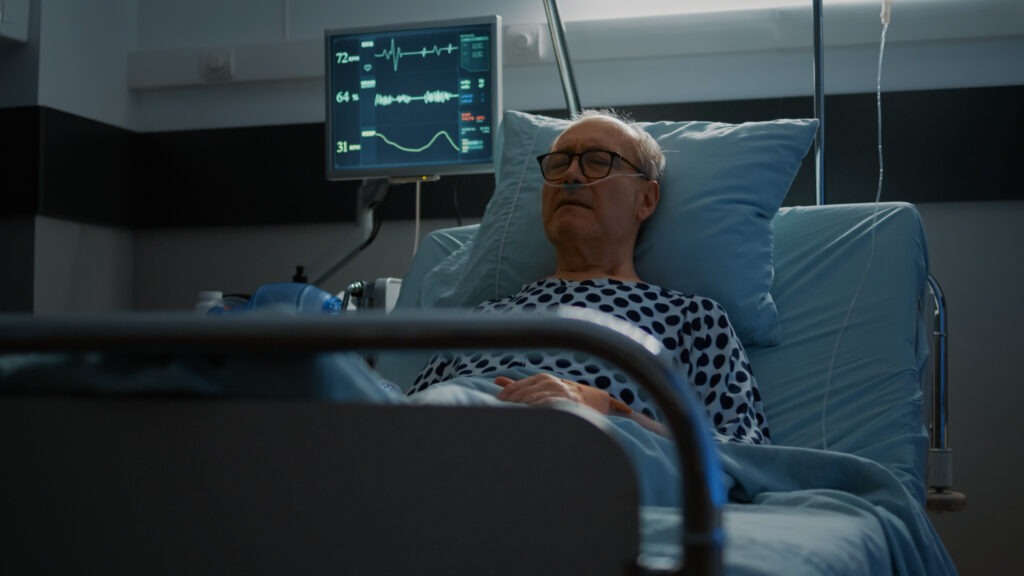
A sleep clinic, on the other hand, conducts a polysomnography (PSG)—a comprehensive overnight study involving multiple sensors attached to your scalp, face, chest, and legs.
Polysomnography records:
- Brain activity (EEG)
- Eye movements (EOG)
- Muscle tone (EMG)
- Heart rate (ECG)
- Breathing patterns and oxygen levels (SpO₂)
This combination provides a complete physiological picture, allowing doctors to diagnose conditions like sleep apnea, restless leg syndrome, narcolepsy, or chronic insomnia.
So, while both EEG headbands and sleep clinics measure brainwaves, the level of detail and medical supervision differ significantly.
⚙️ How EEG Headbands Work at Home
Modern EEG headbands, such as the Muse S, Dreem 2, or Kokoon Nightbuds, use dry electrodes that comfortably rest on the forehead. They connect wirelessly to a companion app that:
- Records brain activity in real time.
- Analyzes sleep stages using AI algorithms.
- Provides insights on sleep duration, REM cycles, and deep sleep quality.
- Offers feedback tools like guided meditation or soundscapes to improve relaxation.
Some devices even adjust audio or temperature automatically based on your brain’s state—helping you fall asleep faster or maintain deeper rest.
This combination of EEG monitoring and adaptive feedback is what makes these devices far more sophisticated than standard smartwatches or rings.
🧠 Benefits of EEG Headbands
1. Accurate Sleep Stage Detection
Because they directly measure brainwave activity, EEG headbands provide more reliable sleep stage data than wearables that rely on movement or heart rate alone.
2. Convenient and Non-Invasive
You can conduct nightly sleep tracking from the comfort of your own bed, without hospital visits or intrusive sensors.
3. Behavioral Insight and Training
Some headbands offer neurofeedback—helping you learn to relax and improve sleep quality through conscious brain training.
4. Cost-Effective Over Time
Compared to expensive clinic sessions, a one-time device purchase is more affordable for ongoing sleep tracking.
5. Ideal for Self-Improvement
While not diagnostic, EEG headbands help users recognize habits or stressors that interfere with rest.
⚖️ The Limitations of EEG Headbands
Despite their impressive capabilities, EEG headbands are not yet replacements for clinical sleep studies. Here’s why:
- Limited Data ScopeHeadbands measure only brainwaves. Sleep clinics, in contrast, monitor multiple systems—heart, breathing, muscles—providing a holistic view.
- No Medical DiagnosisConsumer EEG devices are wellness tools, not medical instruments. They can’t diagnose conditions like sleep apnea or periodic limb movement disorder.
- Variable AccuracyDry electrodes are less sensitive than clinical-grade gel electrodes, leading to occasional noise or signal loss.
- User Error and EnvironmentImproper placement, movement during sleep, or external interference can skew readings.
- Data Interpretation GapsEven with good data, understanding what your results mean for your health still requires expert analysis.
🧬 When EEG Headbands Are Most Useful
EEG headbands shine in tracking, training, and prevention rather than diagnosis.
They’re ideal for:
- Biohackers optimizing performance and recovery.
- People with mild insomnia seeking better sleep habits.
- Mindfulness practitioners using neurofeedback for relaxation.
- Individuals monitoring long-term patterns before consulting a sleep specialist.
By providing continuous at-home data, they can even complement sleep clinics, giving doctors more context about your natural sleep habits.
🔮 The Future: Hybrid Sleep Solutions
The future likely lies in hybrid sleep technology—where home EEG tools integrate with professional telemedicine.
Upcoming innovations may include:
- Medical-grade EEG sensors with FDA clearance for diagnosis.
- AI sleep pattern prediction that flags possible disorders early.
- Cloud-based clinician monitoring, where your sleep data syncs directly with specialists.
- Combined sensors for EEG, respiration, and heart rate in a single comfortable wearable.
This blend of accessibility and accuracy could redefine sleep care—making sleep health monitoring both clinical and personal.
🌌 Final Verdict
So, can EEG headbands replace sleep clinics?
Not yet—but they’re getting close.
EEG headbands deliver valuable insights, accurate brainwave tracking, and personalized feedback for everyday users. However, when it comes to medical diagnosis and treatment, polysomnography remains the gold standard.
Think of EEG headbands not as replacements, but as powerful partners—bridging the gap between wellness tracking and professional sleep care.
As technology evolves, the day when home-based EEG monitoring matches clinical precision may not be far away. Until then, these headbands remain one of the most promising tools for anyone seeking smarter, deeper, and data-driven sleep.