🧠 What Are Adaptogens?
Adaptogens are a group of herbs and natural compounds that help the body adapt to stress, balance hormones, and support overall resilience.
Common adaptogens include:
- Ashwagandha – calming herb that reduces stress and anxiety
- Rhodiola Rosea – improves energy and mental clarity
- Holy Basil (Tulsi) – balances cortisol and promotes relaxation
- Reishi Mushroom – supports restful sleep and immune function
- L-Theanine – naturally found in green tea, promotes relaxation without drowsiness
Adaptogen blends combine several of these compounds to provide synergistic benefits, making them increasingly popular for supporting sleep and stress recovery.
⚖️ How Adaptogens Influence Sleep
Adaptogens influence sleep primarily by modulating the stress response and promoting relaxation:
- Cortisol Regulation
- Adaptogens like ashwagandha and holy basil help normalize cortisol levels.
- Balanced cortisol reduces nighttime anxiety and restlessness, allowing smoother transition into sleep.
- Calming Nervous System
- Adaptogens interact with the hypothalamic-pituitary-adrenal (HPA) axis, supporting parasympathetic activity (“rest and digest”) at night.
- Promoting Deep Sleep
- Certain adaptogens, particularly reishi mushrooms, have been linked to increased slow-wave (deep) sleep, the restorative stage critical for physical and mental recovery.
- Mood Support
- By reducing stress and mild anxiety, adaptogen blends help the mind relax and prepare for sleep, minimizing racing thoughts before bedtime.
🌿 Common Adaptogens in Sleep Blends
| Adaptogen | Sleep-Specific Benefit |
|---|---|
| Ashwagandha (KSM-66) | Reduces stress and cortisol, improves sleep onset and quality |
| Reishi Mushroom | Enhances deep sleep, calms nervous system |
| Holy Basil (Tulsi) | Lowers evening stress, supports cortisol balance |
| Lemon Balm | Mild sedative effects, reduces anxiety and restlessness |
| Magnolia Bark | Improves relaxation and sleep duration |
| L-Theanine | Promotes alpha brain waves, aids in falling asleep |
Blends often combine multiple adaptogens to target stress reduction, relaxation, and sleep quality simultaneously.
🥄 Are Adaptogen Blends Safe?
For most adults, adaptogen blends are considered safe for short-term and moderate use. However, safety depends on:
- Quality of ingredients – Choose standardized extracts from reputable brands.
- Dosage – Follow manufacturer instructions; higher doses are not necessarily more effective.
- Individual health conditions – Certain herbs may interact with medications or affect hormone-sensitive conditions.
Precautions:
- Pregnant or breastfeeding individuals should consult a healthcare professional.
- People on blood pressure, thyroid, or sedative medications should check for interactions.
- Avoid using blends with stimulatory adaptogens (e.g., rhodiola) close to bedtime if sensitive to caffeine-like effects.
🌱 Tips for Safe and Effective Use
- Start Small
- Begin with the lowest recommended dose to assess tolerance.
- Time It Right
- Take calming adaptogens like ashwagandha or reishi 30–60 minutes before bed.
- Avoid stimulating adaptogens at night.
- Check Ingredients
- Look for certified organic and standardized extracts to ensure consistent potency and safety.
- Combine with Good Sleep Hygiene
- Adaptogens work best alongside consistent sleep schedules, dim lighting, and relaxation routines.
- Monitor Your Response
- Track sleep onset, duration, and quality for several nights to gauge effectiveness.
🧘 Lifestyle Practices to Enhance Adaptogen Effects
- Meditation or deep breathing: Supports nervous system calmness, complementing adaptogen effects.
- Limit screens before bed: Reduces blue-light stimulation that may counteract relaxation.
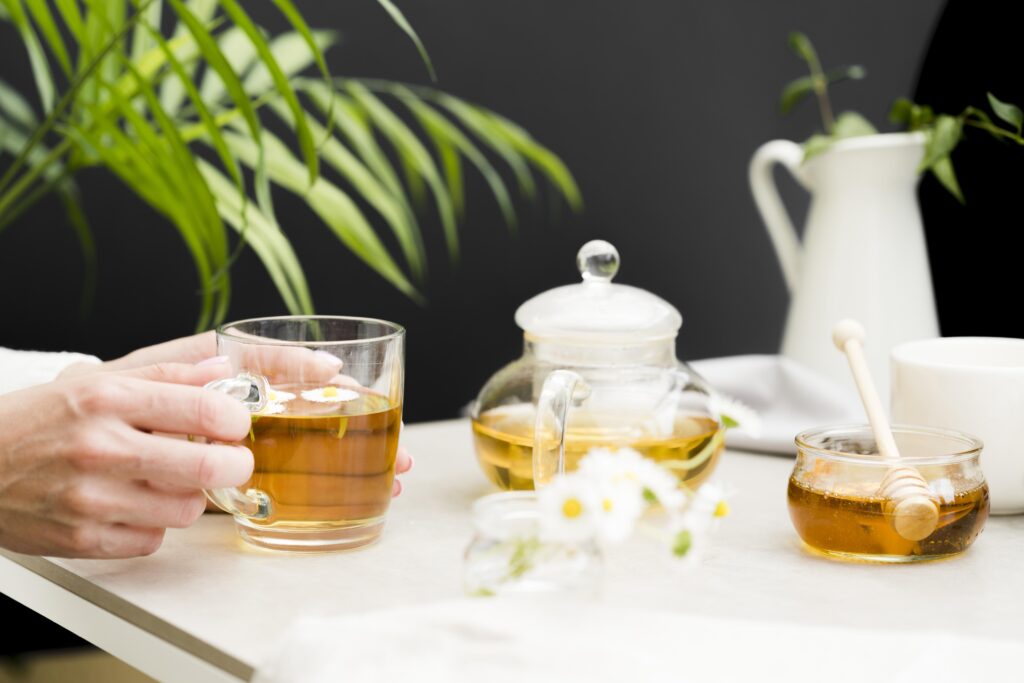
- Warm bedtime beverages: Herbal teas combined with adaptogen blends can enhance calming effects.
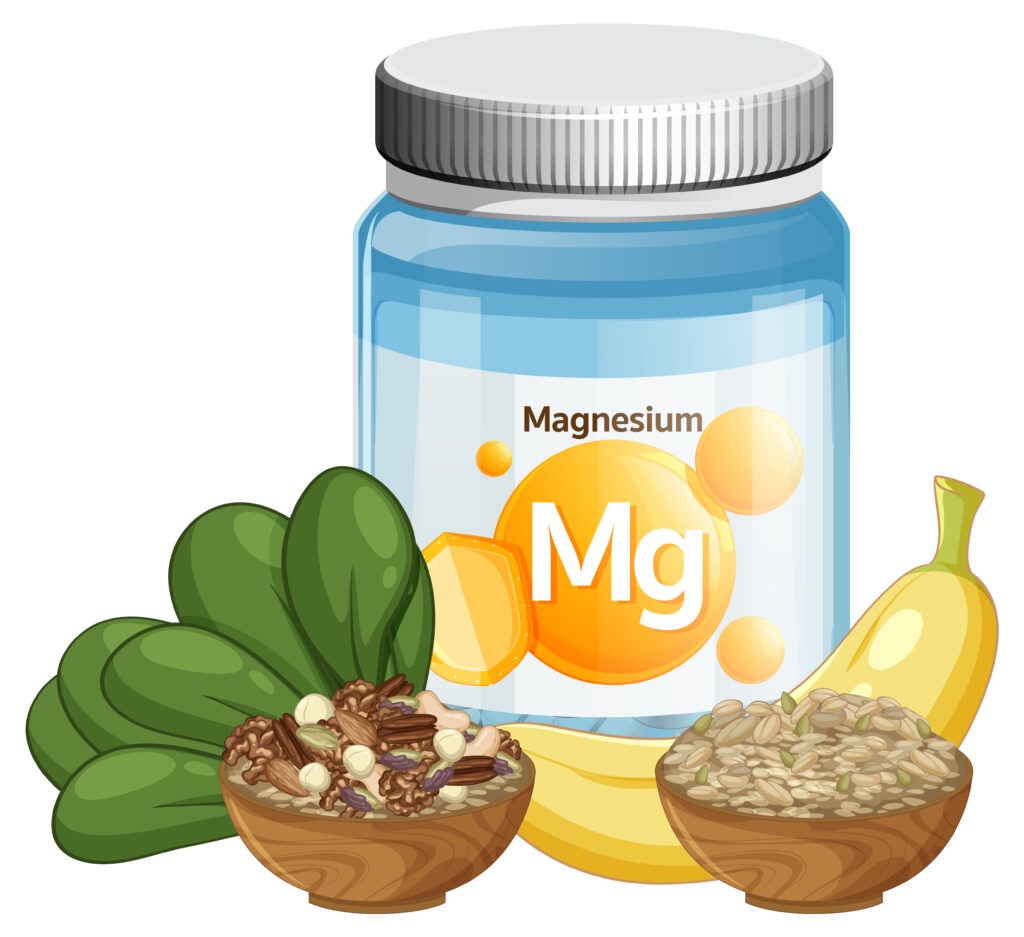
- Magnesium-rich foods: Almonds, spinach, or bananas work synergistically with adaptogens to relax muscles and nerves.
📊 Research Insights
- Ashwagandha (KSM-66): Studies indicate reduced sleep latency and improved overall sleep quality in adults with stress-induced insomnia.
- Reishi Mushroom: Shown to increase deep sleep duration in preliminary studies.
- Combination Blends: Limited but growing research suggests that multi-adaptogen formulations may enhance stress reduction and relaxation, indirectly improving sleep.
While adaptogen blends are not sedatives, their stress-modulating and calming effects make them suitable for long-term use as a sleep-supportive supplement.
⚖️ Potential Side Effects
Most side effects are mild and rare, including:
- Slight digestive discomfort
- Mild daytime drowsiness
- Allergic reactions in sensitive individuals
Key point: Following recommended doses and consulting a healthcare provider ensures adaptogen blends remain safe and effective.
🌟 Bottom Line
Adaptogen blends are generally safe for sleep use when:
- Taken according to guidelines
- Using high-quality, standardized ingredients
- Paired with good sleep hygiene practices
They support relaxation, regulate stress hormones, and may improve sleep onset and quality, making them a natural adjunct to better sleep rather than a direct sedative.
🌿 Key takeaway: For individuals struggling with stress-related sleep issues, adaptogen blends can be a safe and effective tool to enhance nighttime relaxation and improve overall sleep quality.