🌙 Why Nutrition Matters for Sleep
Many people turn to supplements or sleep aids when they struggle with rest — but the foundation of good sleep often starts on your plate.
Certain nutrients play a vital role in regulating hormones and neurotransmitters that control your sleep-wake cycle, including melatonin, serotonin, and GABA.
Eating the right foods can:
- Help you fall asleep faster
- Improve sleep depth and quality
- Support overnight muscle and brain recovery
- Regulate your circadian rhythm naturally
In short, what you eat throughout the day can make or break your night’s sleep.
🧠 The Key Nutrients That Promote Better Sleep
Before diving into specific foods, let’s look at the nutrients most linked to healthy sleep.
| Nutrient | Role in Sleep | Food Sources |
|---|---|---|
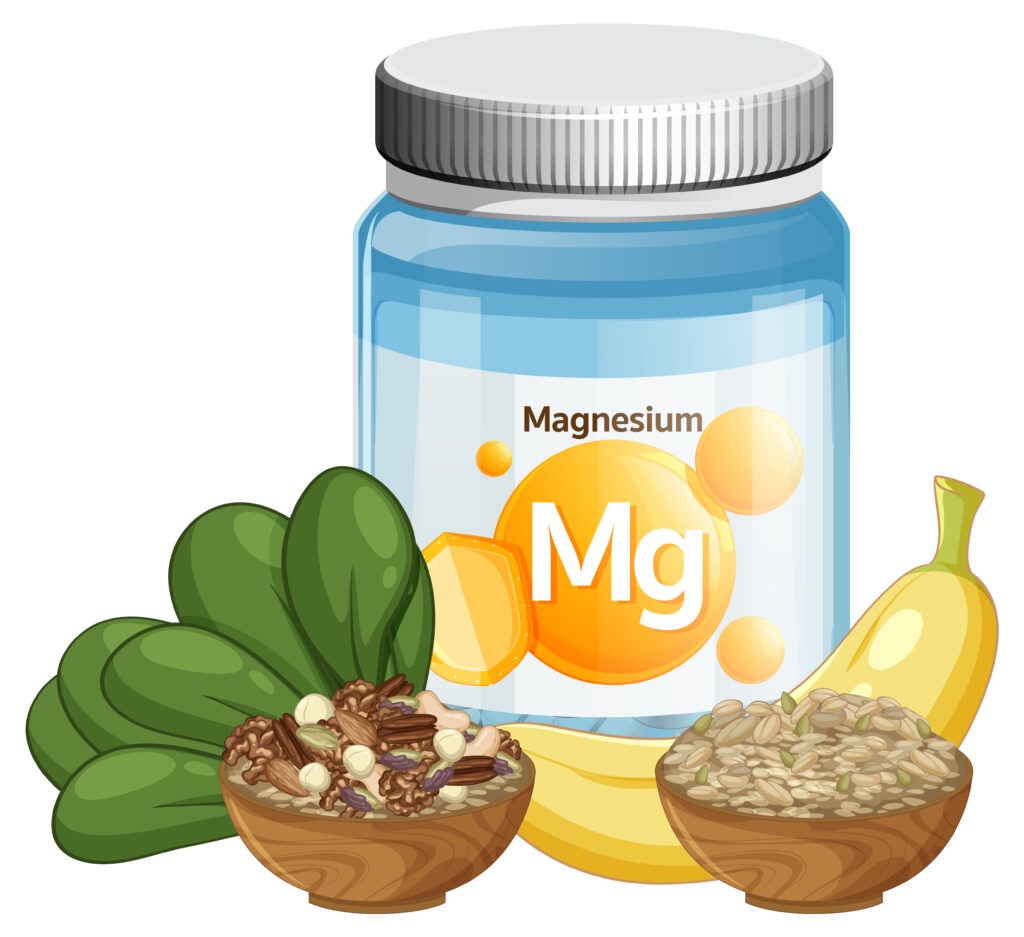
| Magnesium | Relaxes muscles and nerves, supports melatonin production | Nuts, seeds, leafy greens |
| Tryptophan | Amino acid used to make serotonin and melatonin | Turkey, milk, bananas |
| Calcium | Helps brain use tryptophan to produce melatonin | Dairy, leafy greens |
| Vitamin B6 | Converts tryptophan into serotonin | Fish, bananas, chickpeas |
| Potassium | Regulates muscle relaxation and nerve function | Avocado, sweet potatoes |
| Melatonin | Directly influences sleep onset and quality | Tart cherries, tomatoes |
| Zinc | Supports nervous system and serotonin regulation | Oysters, pumpkin seeds |
Let’s explore which foods pack these nutrients naturally — and how they can fit into your evening routine.
🥣 1. Tart Cherries: Nature’s Sleep Booster
Tart cherries and tart cherry juice are among the few natural sources of melatonin, the hormone responsible for sleep regulation.
Studies show that drinking tart cherry juice twice daily can increase total sleep time and improve sleep efficiency — especially in adults with insomnia.
Best time to consume:
Drink a small glass (about 120 ml) 1–2 hours before bedtime for maximum effect.
🍌 2. Bananas: The Perfect Bedtime Snack
Bananas are rich in magnesium, potassium, and vitamin B6, making them an ideal late-night snack.
These nutrients relax your muscles and nerves while helping your body produce serotonin — the precursor to melatonin.
Try blending a banana smoothie with milk and a sprinkle of cinnamon for a natural, calming drink before bed.
🦃 3. Turkey: A Classic Source of Tryptophan
Ever felt sleepy after Thanksgiving dinner? That’s because turkey is high in tryptophan, an amino acid that helps your body create serotonin and melatonin.
Combining turkey with carbohydrates (like rice or potatoes) can make tryptophan more effective, as carbs help it cross the blood-brain barrier.
Tip: A small serving of turkey sandwich or turkey soup at dinner can promote more restful sleep.
🥛 4. Warm Milk: The Old-Fashioned Remedy That Works
Warm milk is not just a bedtime cliché — it’s scientifically sound.
It contains tryptophan and calcium, both of which contribute to melatonin production. Calcium also has a soothing effect on the nervous system, helping reduce stress and restlessness before bed.
For an extra sleep boost, add a pinch of nutmeg or turmeric — both known for their calming effects.
🥬 5. Leafy Greens: Calcium and Magnesium Powerhouses
Spinach, kale, and Swiss chard are loaded with magnesium and calcium, two minerals that calm your body and reduce nighttime cramps.
A magnesium deficiency has been linked to restless sleep and frequent awakenings.
Pro tip: Add steamed spinach or sautéed kale to your dinner plate — or blend greens into a smoothie with banana and almond milk for a pre-sleep drink.
🌰 6. Almonds and Walnuts: Sleep-Friendly Nuts
Almonds are rich in magnesium and healthy fats that stabilize blood sugar levels overnight.
Walnuts, on the other hand, naturally contain melatonin and omega-3 fatty acids, both essential for deep sleep and brain recovery.
A small handful (about 1 ounce) of mixed nuts makes a perfect evening snack that won’t spike your blood sugar.
🍠 7. Sweet Potatoes: Carbs That Calm You
Complex carbohydrates like sweet potatoes help the body absorb tryptophan more efficiently, increasing serotonin production.
They also contain potassium and magnesium, promoting muscle relaxation and a slower heart rate before sleep.
Bedtime idea: Try baked sweet potato slices with cinnamon or a drizzle of honey as a light, comforting evening meal.
🐟 8. Fatty Fish: Omega-3 and Vitamin D Synergy
Salmon, tuna, and sardines provide vitamin D and omega-3 fatty acids, both essential for regulating serotonin.
A study published in Scientific Reports found that people who ate salmon three times a week experienced improved sleep quality and faster sleep onset.
Dinner tip: Combine grilled salmon with leafy greens or quinoa for a nutrient-balanced, sleep-friendly meal.
🍒 9. Kiwi: A Surprising Sleep Superfruit
Kiwi may not be the first fruit that comes to mind for sleep, but it’s one of the most effective.
It’s packed with antioxidants, serotonin, and folate, which help regulate sleep cycles and combat oxidative stress that interferes with rest.
A 2011 study found that people who ate two kiwis before bed fell asleep faster and slept longer compared to those who didn’t.
🍯 10. Honey: Natural Relaxation Aid
Honey gently raises insulin levels, allowing tryptophan to enter the brain more easily.
This helps stimulate serotonin and, ultimately, melatonin production.
Drizzle a small amount over yogurt, oatmeal, or herbal tea for a simple nighttime treat.
🍵 Bonus: Herbal Teas That Complement Sleep Foods
Pairing your dinner with calming teas can further enhance your sleep routine.
Popular choices include:
- Chamomile tea – contains apigenin, a natural sedative compound.
- Lavender tea – promotes relaxation and reduces anxiety.
- Lemon balm tea – supports GABA activity, calming the nervous system.
Avoid caffeinated teas like green or black tea after 3 p.m., as they can counteract your body’s melatonin production.
🕒 When to Eat for Optimal Sleep
Timing is as important as the type of food you eat.
Eating too close to bedtime can cause indigestion, while eating too early might leave you hungry later.
Here’s a simple guideline:
- Eat your main dinner 2–3 hours before bed.
- If hungry later, have a small snack rich in complex carbs and tryptophan (like banana with peanut butter).
- Avoid heavy, spicy, or sugary meals after 8 p.m.
💡 Final Thoughts: Eat Smart, Sleep Deep
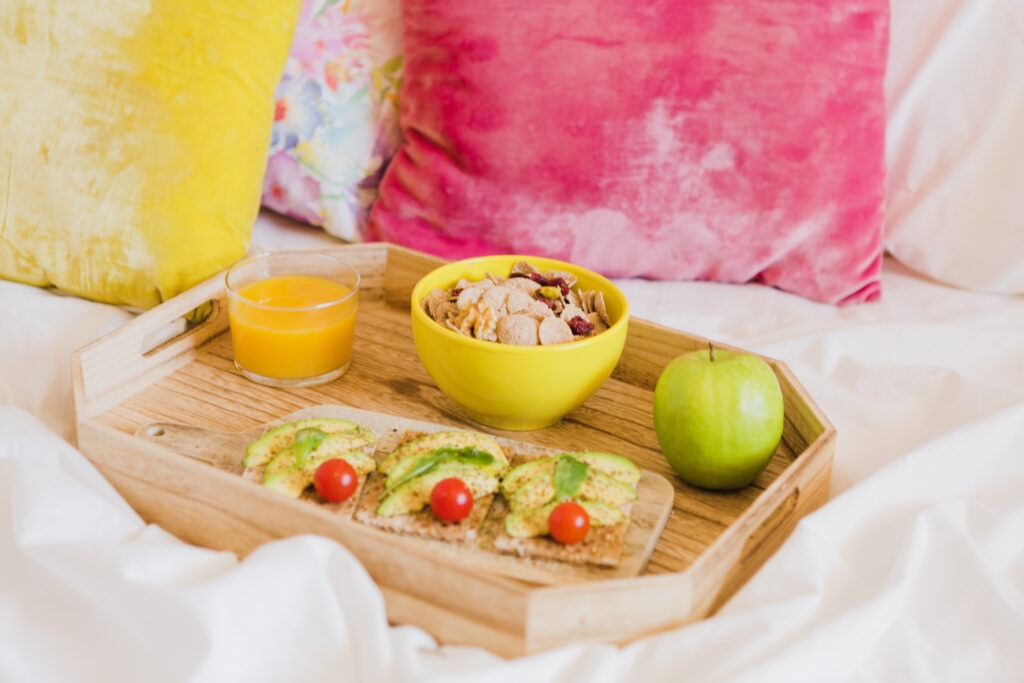
Improving your sleep doesn’t always require supplements or medication — sometimes, it’s as simple as adjusting your diet.
By incorporating foods rich in magnesium, tryptophan, melatonin, and calcium, you can naturally support your body’s internal clock and promote more restorative rest.
💤 Remember: The key is consistency.
What you eat regularly shapes your sleep quality just as much as your bedtime routine.
So, next time you plan dinner, think beyond calories — and consider how your meal will help you sleep soundly tonight.