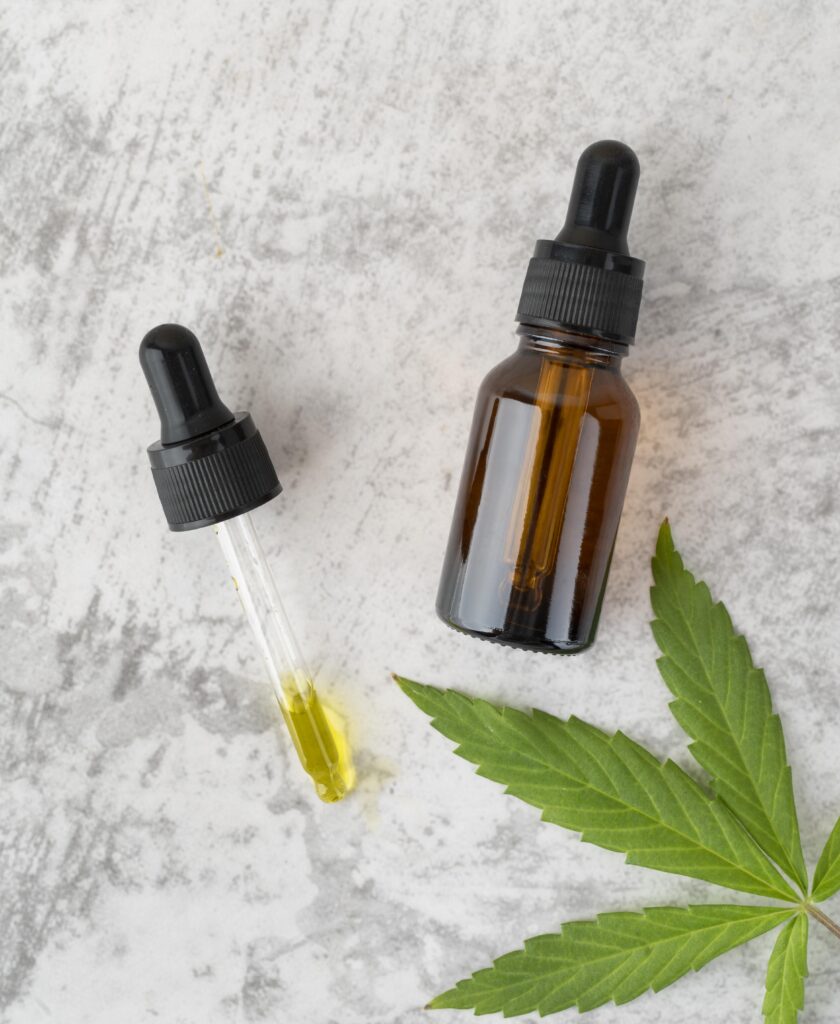
🌙 The Growing Hype Around CBD and Sleep
In recent years, CBD oil (short for cannabidiol) has taken the wellness world by storm.
From calming anxiety to easing chronic pain, it’s marketed as a natural solution for almost everything — including better sleep.
But does the science back up the claims?
Can CBD truly help you fall asleep faster, stay asleep longer, and wake up feeling refreshed?
Let’s break down what research says about CBD’s relationship with sleep, and how it actually affects your body and brain.
🧬 What Is CBD, Exactly?
CBD is one of over 100 active compounds found in cannabis plants, but unlike THC (tetrahydrocannabinol), it’s non-psychoactive — meaning it won’t get you “high.”
It interacts with your body’s endocannabinoid system (ECS) — a complex network of receptors that regulates:
- Sleep and wake cycles
- Stress and mood
- Pain and inflammation
- Immune and hormonal balance
When your ECS is out of balance, it can contribute to insomnia, anxiety, and poor stress recovery.
CBD appears to help restore equilibrium, creating a more relaxed state conducive to rest.
🧠 How CBD Affects Sleep
CBD influences sleep in multiple indirect ways rather than acting as a sedative.
Here’s how it may help:
1. Reduces Anxiety
CBD can lower cortisol levels and calm hyperactive neural pathways, making it easier to fall asleep.
In people with anxiety-related insomnia, CBD has been shown to reduce racing thoughts and nighttime restlessness.
2. Eases Pain and Discomfort
Chronic pain is one of the most common causes of disrupted sleep.
CBD’s anti-inflammatory and analgesic effects can help relieve pain, allowing the body to relax naturally.
3. Regulates Sleep-Wake Cycles
Some studies suggest CBD may influence the sleep-wake rhythm, helping to stabilize irregular sleep patterns and increase time spent in deep sleep.
4. Supports REM Behavior Regulation
CBD may reduce REM sleep disturbances, such as nightmares or movements during dreaming — particularly beneficial for those with PTSD or anxiety disorders.
🔬 What Science Says About CBD and Sleep
The scientific community has been actively studying CBD’s effects on sleep, and the findings — while still emerging — are promising.
🧪 Key Research Highlights:
- The Permanente Journal (2019):In a clinical study with 72 adults suffering from anxiety and poor sleep, 67% reported better sleep after using CBD for one month.
- Frontiers in Neuroscience (2021):CBD showed potential to improve sleep quality by interacting with serotonin and GABA receptors in the brain.
- Journal of Clinical Pharmacology (2020):CBD oil reduced sleep onset latency (the time it takes to fall asleep) in patients with mild to moderate insomnia.
- Sleep Medicine Reviews (2022):Found that CBD may help reduce anxiety-induced sleep loss, though long-term dosage and effects still need further research.
In summary, CBD doesn’t “knock you out” — it works by addressing the underlying causes of poor sleep, like anxiety or pain.
💤 CBD vs. Traditional Sleep Aids
Many people turn to CBD as a gentler alternative to sleeping pills.
Unlike pharmaceuticals, CBD:
- Does not cause dependency or next-day grogginess
- Works gradually over time
- Supports overall balance in mood and stress response
However, CBD’s effects can vary depending on:
- Dosage
- Product quality
- Your body’s individual chemistry
Some users report noticeable improvements after a few nights, while others may need a few weeks to feel consistent results.
💧 How to Use CBD Oil for Sleep
There are several ways to take CBD, each offering different absorption rates and effects.
1. Sublingual (Under the Tongue)
Place a few drops of CBD tincture under your tongue for 60 seconds before swallowing.
This allows for quick absorption into the bloodstream and faster results — usually within 20–30 minutes.
2. Capsules or Gummies
Perfect for those who prefer pre-measured doses.
These take longer (45–90 minutes) to take effect but provide longer-lasting sleep support.
3. CBD Tea or Drinks
Combining CBD with calming herbs like chamomile or lavender enhances the relaxation effect.
Ideal for your bedtime ritual.
4. Topical Balms
Useful for localized pain relief that interferes with sleep, such as sore muscles or joint discomfort.
⚠️ Tip: Always start with a low dose (around 10–20 mg) and increase gradually.
More is not always better — sometimes, moderate doses produce the best results.
🧴 What to Look for When Buying CBD Oil
The CBD market is largely unregulated, so quality matters.
Here’s what to check before buying:
- ✅ Full-spectrum CBD: Contains other beneficial cannabinoids and terpenes that enhance effects through the entourage effect.
- ✅ Third-party lab tested: Ensures purity and accurate labeling.
- ✅ Organic hemp source: Free from pesticides and heavy metals.
- ✅ CO2 extraction method: Guarantees cleaner, solvent-free CBD.
Avoid products with vague labeling, artificial flavors, or claims that sound “too good to be true.”
⚖️ Is CBD Safe?
CBD is generally considered safe and well-tolerated, even for long-term use.
However, mild side effects can occur, such as:
- Dry mouth
- Drowsiness
- Lightheadedness
- Digestive discomfort
More importantly, CBD can interact with certain medications, including blood thinners or antidepressants.
Always consult your doctor before adding CBD to your routine — especially if you’re already taking prescribed drugs.
🌿 CBD, THC, and Sleep: What’s the Difference?
While both CBD and THC come from cannabis, their sleep effects differ:
| Compound | Psychoactive? | Sleep Effect | Best For |
|---|---|---|---|
| CBD | ❌ No | Reduces anxiety, stabilizes sleep cycles | Light insomnia, anxiety, pain |
| THC | ✅ Yes | Induces drowsiness quickly | Severe insomnia (short-term use only) |
Some products use balanced CBD:THC ratios, but THC-containing oils are regulated and may not be legal in all areas.
🧘 Combining CBD with Good Sleep Hygiene
CBD works best when paired with healthy bedtime habits, such as:
- Keeping a consistent sleep schedule
- Avoiding caffeine or screens at night
- Creating a dark, cool, and quiet environment
- Practicing deep breathing or meditation
Think of CBD as a tool, not a magic cure — it enhances the foundation you build through good sleep practices.
🌅 Final Thoughts: What Science Really Says
So, what’s the verdict?
Research suggests that CBD oil can meaningfully improve sleep quality, especially for people whose insomnia is linked to stress, anxiety, or chronic pain.
However, it’s not a one-size-fits-all solution.
Dosage, timing, and product quality play a big role in how effective it will be.
Used responsibly, CBD offers a natural, non-habit-forming way to calm the mind and support your body’s sleep cycle — without the hangover effect of pharmaceuticals.
🌿 Bottom line: Science supports CBD’s role in improving sleep indirectly — by reducing anxiety, easing discomfort, and restoring balance to your body’s internal systems.