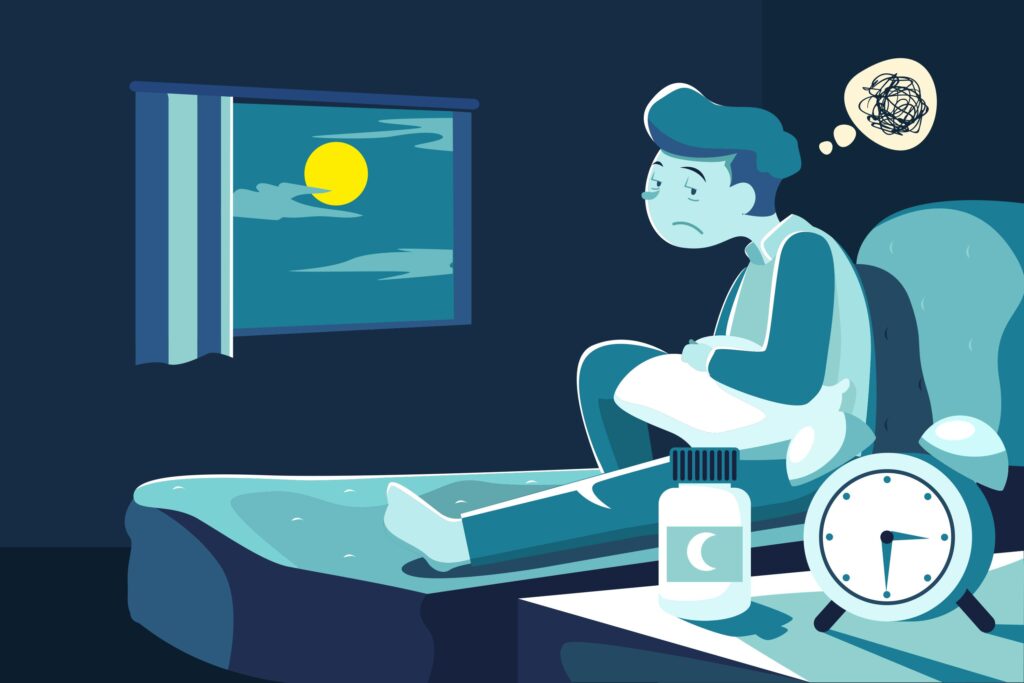
💤 The Hidden Link Between Sleep and Blood Pressure
Sleep and blood pressure might seem like two separate parts of your health, but they’re closely connected.
When you sleep, your body enters a state of rest and repair — your heart rate slows, blood vessels relax, and blood pressure naturally drops by 10–20%.
This nightly “dip” gives your cardiovascular system time to recover.
However, when sleep is short, fragmented, or poor in quality, your blood pressure may stay elevated throughout the night and remain high during the day.
Over time, this constant strain contributes to hypertension (high blood pressure) — a major risk factor for heart attack, stroke, and kidney disease.
⚠️ Why Poor Sleep Raises Blood Pressure
Several mechanisms explain why insufficient sleep can lead to hypertension.
Here’s what happens inside your body when you don’t get enough rest:
1. Overactivation of the Sympathetic Nervous System
Sleep deprivation keeps the “fight or flight” system active.
This increases the release of stress hormones like cortisol and adrenaline, which narrow blood vessels and raise heart rate — both of which increase blood pressure.
2. Hormonal Imbalance
Lack of sleep disrupts hormones that control sodium and fluid balance (like aldosterone and renin), making your body retain salt — leading to higher blood pressure levels.
3. Inflammation and Endothelial Damage
Chronic sleep loss promotes systemic inflammation and damages the endothelium, the delicate lining of blood vessels, reducing their ability to dilate properly.
4. Circadian Rhythm Disruption
Your body follows a natural 24-hour rhythm that regulates sleep, heart rate, and blood pressure.
When sleep schedules are inconsistent — especially in shift workers — this rhythm breaks down, leading to sustained hypertension.
🕒 How Much Sleep Is Needed for Healthy Blood Pressure?
According to the American Heart Association, adults should get 7 to 9 hours of sleep per night for optimal cardiovascular health.
Getting fewer than 6 hours regularly is associated with a 20–30% higher risk of developing hypertension.
However, too much sleep (over 9 hours) can also indicate underlying health issues like sleep apnea or depression, which may further raise blood pressure risks.
So, the key isn’t just quantity — it’s also quality and consistency.
😴 Sleep Disorders That Contribute to Hypertension
Not all sleep problems are caused by lifestyle factors. Certain sleep disorders directly influence blood pressure regulation.
1. Obstructive Sleep Apnea (OSA)
This is the most well-documented link between sleep and hypertension.
People with OSA experience repeated pauses in breathing during sleep, which cause oxygen levels to drop.
In response, the body releases stress hormones to “wake” the person — spiking blood pressure multiple times a night.
Over time, these repeated surges lead to chronic high blood pressure, even during the day.
2. Insomnia
Chronic insomnia keeps the sympathetic nervous system in overdrive, leading to persistent stress hormone elevation and higher blood pressure levels.
3. Restless Legs Syndrome (RLS)
The discomfort and urge to move legs at night can fragment sleep, increase nighttime awakenings, and reduce restorative deep sleep — all of which contribute to hypertension risk.
4. Shift Work Sleep Disorder
Working irregular hours disrupts circadian rhythm and hormone release, increasing the likelihood of metabolic disorders and hypertension.
🩺 What Research Says: Sleep and Hypertension Studies
A growing body of research reinforces the connection between sleep and blood pressure:
- Harvard Medical School (2018): Found that sleeping less than 5 hours a night doubled the risk of developing hypertension in adults aged 30–60.
- European Heart Journal (2020): Reported that fragmented sleep increased nighttime blood pressure and reduced the normal “dipping” pattern.
- American Journal of Hypertension (2021): Identified that patients with untreated sleep apnea had a 2.5x higher risk of resistant hypertension.
- University of Chicago (2022): Showed that consistent 7–8-hour sleep restored blood pressure control in participants with prehypertension.
The conclusion is clear: poor sleep is not just a symptom — it’s a driver of high blood pressure.
💢 The Vicious Cycle: Hypertension Worsens Sleep Too
The relationship between sleep and blood pressure is bidirectional — meaning hypertension can also impair sleep.
People with high blood pressure often report:
- Nighttime urination (nocturia)
- Restless sleep or frequent awakenings
- Anxiety or racing thoughts
- Side effects from antihypertensive medications (like diuretics or beta-blockers)
This cycle of poor sleep and elevated pressure feeds on itself, making management more difficult over time.
🌿 How to Improve Sleep and Protect Your Heart
Fortunately, improving your sleep can significantly lower blood pressure and enhance heart health.
Here are evidence-based strategies:
1. Prioritize Sleep Schedule
Aim for a consistent bedtime and wake-up time, even on weekends. Regularity helps regulate your body’s internal clock and blood pressure patterns.
2. Create a Sleep-Friendly Environment
Keep your bedroom dark, cool, and quiet. Avoid bright screens or heavy meals two hours before bed.
3. Treat Sleep Apnea
If you snore heavily or wake up gasping, talk to a doctor. Using a CPAP machine (Continuous Positive Airway Pressure) can dramatically improve both sleep quality and blood pressure control.
4. Limit Caffeine and Alcohol
Caffeine can delay sleep onset, while alcohol fragments sleep and increases nighttime blood pressure surges.
5. Exercise — But Not Too Late
Regular aerobic exercise improves both sleep and cardiovascular function, but avoid vigorous workouts within 3 hours of bedtime.
6. Mindfulness and Relaxation
Practices like deep breathing, meditation, or progressive muscle relaxation before bed can reduce stress hormones and lower nighttime pressure.
7. Monitor Blood Pressure at Home
Keep track of your readings. Many people find that as their sleep improves, so does their morning blood pressure.
🧘♂️ The Role of Lifestyle and Diet
Sleep is one part of the hypertension puzzle — diet and lifestyle complete it.
To support both sleep and heart health:
- Eat a DASH-style diet rich in fruits, vegetables, and low-sodium foods.
- Avoid late-night heavy meals that cause discomfort or reflux.
- Maintain a healthy weight, since obesity increases both sleep apnea and hypertension risk.
- Quit smoking, as nicotine disrupts sleep cycles and damages blood vessels.
🧠 The Science of “Nocturnal Hypertension”
In healthy individuals, blood pressure dips during sleep — a process called “nocturnal dipping.”
But in people with sleep disorders, this dip disappears or even reverses (pressure rises at night).
This condition, known as nocturnal hypertension, is especially dangerous because it’s often missed in standard daytime readings yet significantly increases the risk of stroke, kidney failure, and heart attack.
That’s why sleep tracking and 24-hour ambulatory blood pressure monitoring are becoming crucial tools in modern hypertension management.
❤️ Final Thoughts: Sleep Well to Live Well
The connection between sleep and hypertension is undeniable — and potentially deadly if ignored.
Every hour of missed rest adds stress to your cardiovascular system, raising your lifetime risk of heart disease.
The good news is that better sleep can reverse much of this damage.
By focusing on consistent rest, treating underlying disorders like sleep apnea, and adopting a heart-healthy lifestyle, you can protect both your sleep and your circulation.
So tonight, when you turn off the lights, remember:
You’re not just recharging your mind — you’re giving your heart a break it truly needs.