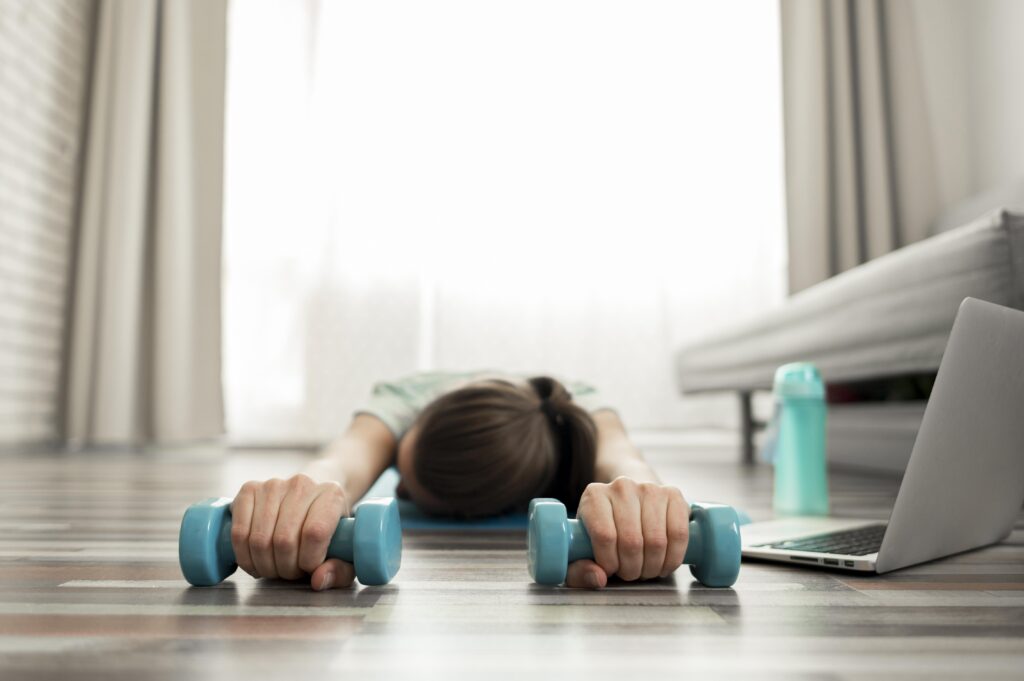
💤 Why Sleep Matters for Every Athlete
Athletes spend hours perfecting their training, diet, and mindset — but sleep is often the most overlooked performance enhancer.
In fact, sleep is the foundation of recovery, strength, and mental focus.
When you sleep, your body repairs damaged muscle fibers, restores energy stores, and releases growth hormones — all essential for improving athletic performance.
Without enough rest, even the most talented athlete can experience slower reaction times, reduced endurance, and higher injury risk.
According to the American Academy of Sleep Medicine, adults need 7–9 hours of sleep per night, but elite athletes may require 9–10 hours for optimal recovery.
⚙️ The Science Behind Sleep and Performance
Sleep isn’t just downtime — it’s an active process where your brain and body recharge at the cellular level.
Here’s how it works:
🧬 1. Physical Recovery During Deep Sleep
During slow-wave sleep (deep sleep), your body releases growth hormone (GH), which promotes muscle repair and tissue regeneration.
This phase is when protein synthesis and muscle building peak — making it crucial after intense workouts or competitions.
Lack of deep sleep means your muscles don’t fully recover, leading to soreness, fatigue, and decreased power output.
🧠 2. Mental Recovery in REM Sleep
During REM sleep (rapid eye movement), your brain consolidates skills and memories learned during training.
This is critical for athletes learning new techniques, play strategies, or coordination patterns.
For example, basketball players who sleep well show faster reaction times and better shooting accuracy, while tennis players demonstrate improved hand-eye coordination after quality REM sleep.
💪 3. Energy Restoration and Glycogen Replenishment
Glycogen — your muscles’ primary fuel source — is replenished during sleep.
When you cut sleep short, your glycogen stores deplete faster, reducing stamina during training or competition.
⏱️ Performance Metrics Affected by Poor Sleep
Numerous studies have shown that sleep deprivation directly affects physical and cognitive abilities important to athletes:
| Performance Area | Impact of Poor Sleep |
|---|---|
| Reaction Time | Up to 20–30% slower responses |
| Accuracy | Reduced precision in fine motor tasks |
| Endurance | Quicker fatigue due to low glycogen |
| Strength | Decreased muscle power and explosive output |
| Decision-Making | More errors and delayed cognitive processing |
| Injury Risk | Higher rates due to slower reflexes and poor focus |
One landmark study from Stanford University found that basketball players who extended their sleep to 10 hours per night improved sprint times, shooting accuracy, and mood — proving sleep is a performance multiplier.
🧩 The Role of Circadian Rhythm in Training
Your circadian rhythm — the internal 24-hour clock — determines when your body is most alert, coordinated, and ready to perform.
Athletes who align their training with this rhythm gain a natural edge.
- Morning chronotypes (“early birds”) perform best earlier in the day.
- Evening chronotypes (“night owls”) may peak later in the afternoon or evening.
Disrupting this rhythm — for example, through late-night training, travel, or poor sleep schedules — can lead to reduced reaction time, hormonal imbalance, and inconsistent performance.
Maintaining regular sleep and wake times, even on rest days, keeps the circadian system stable and enhances consistency in workouts and competitions.
🏋️♀️ Sleep and Muscle Recovery
After a tough workout, muscles experience microtears that need repair.
Sleep promotes recovery through several physiological processes:
- Increased protein synthesis during deep sleep
- Reduced cortisol (stress hormone) levels
- Enhanced immune function, preventing overtraining fatigue
- Improved hydration balance through antidiuretic hormone (ADH) regulation
Athletes who cut their sleep short often experience delayed-onset muscle soreness (DOMS) that lasts longer and recovers slower.
🩸 Hormones That Depend on Sleep
Hormones play a crucial role in athletic performance, and many of them fluctuate based on sleep quality and duration:
| Hormone | Function | Effect of Sleep Loss |
|---|---|---|
| Growth Hormone (GH) | Muscle repair, recovery | Reduced secretion during deep sleep |
| Testosterone | Strength, endurance | Lower levels after just one night of poor sleep |
| Cortisol | Stress response | Elevated levels lead to fatigue and slower recovery |
| Insulin | Energy metabolism | Impaired glucose processing, less endurance |
In short: Sleep isn’t just rest — it’s hormonal optimization for peak performance.
⚠️ Signs You’re Not Getting Enough Sleep
Athletes often push through fatigue, mistaking exhaustion for discipline.
But chronic sleep debt manifests in clear ways:
- Slower reaction time during drills
- Increased perceived effort (workouts feel harder than usual)
- Mood swings, irritability, or lack of motivation
- Frequent colds or delayed recovery from minor injuries
- Plateaus in strength or speed despite consistent training
If these symptoms sound familiar, improving sleep should be your first recovery strategy — not more caffeine or supplements.
🧠 Mental Edge: Sleep and Focus in Competition
Athletic success depends as much on the mind as the body.
Sleep supports attention, concentration, and emotional regulation — critical during high-pressure moments.
Studies show that sleep-deprived athletes:
- Make more strategic errors during gameplay
- Experience slower decision-making in fast-paced sports
- Have reduced motivation and mental toughness
Good sleep, on the other hand, improves reaction time, emotional stability, and focus, allowing athletes to stay composed and perform under stress.
🛏️ Tips to Optimize Sleep for Peak Performance
Here’s how athletes can improve their sleep quality — based on sports science and sleep medicine research:
1. Stick to a Sleep Schedule
Go to bed and wake up at the same time every day, including weekends.
Consistency keeps your body clock stable and improves recovery.
2. Create a Sleep-Friendly Environment
Keep your bedroom dark, cool (18–20°C), and quiet.
Use blackout curtains and white-noise devices if needed.
3. Avoid Blue Light Before Bed
Reduce screen exposure 60–90 minutes before sleep to prevent melatonin suppression.
4. Fuel Smartly
Avoid heavy meals, caffeine, and alcohol within 3 hours of bedtime.
Opt for light snacks with protein and magnesium (e.g., Greek yogurt or almonds).
5. Incorporate Naps Strategically
Short power naps (20–30 minutes) can improve alertness and performance between sessions — but avoid long naps close to bedtime.
6. Use Sleep Tracking Tools
Smartwatches, sleep rings, or biofeedback devices can help monitor your REM, deep sleep, and recovery cycles to fine-tune your training.
🧩 Travel, Jet Lag, and Performance
For athletes traveling across time zones, jet lag can severely disrupt circadian rhythm and performance.
To minimize impact:
- Gradually shift your sleep schedule before travel.
- Get morning sunlight at the destination to reset your internal clock.
- Use melatonin supplements under medical supervision if needed.
🏁 Final Thoughts: Sleep Is the Ultimate Performance Enhancer
In the world of competitive sports, athletes look for every advantage — advanced gear, supplements, recovery tools — but nothing matches the power of sleep.
It’s free, natural, and scientifically proven to improve strength, endurance, accuracy, and mental focus.
Prioritizing quality rest is not a sign of laziness — it’s a sign of intelligence and discipline.
So the next time you plan your training schedule, remember:
Your greatest performance gains might not come from the gym — but from an extra hour of sleep.