🌙 The Pain–Sleep Connection: A Two-Way Street
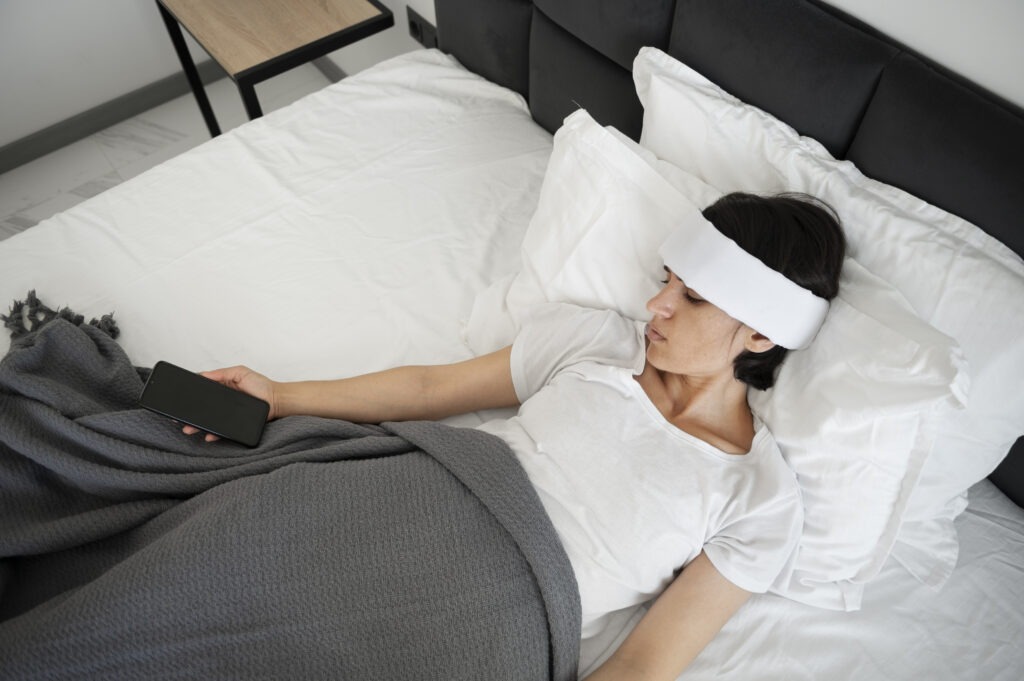
For millions of people living with chronic pain, getting a full night of restful sleep can feel impossible.
Whether caused by arthritis, fibromyalgia, migraines, or back injuries, chronic pain doesn’t just affect the body during the day — it follows you into the night.
Studies show that up to 70% of people with chronic pain also suffer from sleep disturbances, including insomnia, frequent awakenings, and poor sleep quality.
The relationship between pain and sleep is bidirectional: pain interferes with sleep, and lack of sleep amplifies pain perception.
In other words, poor sleep makes pain worse, and worsening pain makes sleep even harder — a frustrating cycle that can harm both physical and mental health.
🧠 How Pain Affects the Sleep Cycle
To understand how chronic pain disrupts sleep, it helps to look at what happens when we rest.
Sleep occurs in stages, including light sleep, deep sleep, and REM (rapid eye movement) sleep.
Each stage plays a vital role in healing, tissue repair, and emotional balance.
But when your body is in pain:
- It triggers stress hormones like cortisol and adrenaline, keeping your brain alert.
- The body has difficulty entering deep sleep, which is essential for cell regeneration.
- Pain signals keep the nervous system hyperactive, making it easy to wake up from even minor discomforts.
This leads to fragmented sleep — where you wake up multiple times without realizing it — and results in fatigue, low mood, and heightened pain sensitivity the next day.
😣 The Vicious Cycle of Pain and Sleeplessness
Chronic pain and sleep problems reinforce each other in a self-perpetuating loop:
- Pain makes it hard to fall or stay asleep.Every position hurts, and you may toss and turn for hours trying to find comfort.
- Poor sleep increases pain sensitivity.Sleep deprivation reduces your pain threshold, meaning sensations that were mildly uncomfortable may feel unbearable.
- Fatigue worsens emotional stress.Lack of sleep raises anxiety and irritability, which further amplifies how pain is perceived in the brain.
- Inflammation rises.Deep sleep normally helps regulate inflammation. Without it, the body becomes more inflamed — fueling more pain.
This “pain-sleep” loop can eventually contribute to depression, immune dysfunction, and cognitive decline if not properly addressed.
🦴 Common Chronic Pain Conditions Linked to Poor Sleep
Certain pain conditions are especially likely to interfere with sleep:
1. Arthritis
Joint stiffness and inflammation worsen at night, making it difficult to find a comfortable position.
2. Fibromyalgia
This condition amplifies pain signals in the brain and is closely tied to non-restorative sleep and fatigue.
3. Back and Neck Pain
Poor posture, spinal injuries, or muscle strain can cause persistent discomfort when lying down.
4. Migraines and Nerve Pain
Sharp, pulsating pain can occur during sleep, while some medications may further disturb normal sleep cycles.
5. Endometriosis or Pelvic Pain
Hormonal changes and inflammation often cause sleep interruptions during menstrual cycles.
Understanding the specific cause helps tailor solutions — because pain management and sleep improvement must go hand in hand.
🛌 How to Improve Sleep Despite Chronic Pain
While chronic pain is challenging, combining lifestyle changes, medical treatment, and technology can significantly improve sleep quality.
🕯️ 1. Create a Pain-Relieving Sleep Environment
Your sleep setup matters more than you might think.
- Mattress: Choose a medium-firm mattress that supports spinal alignment without creating pressure points.
- Pillows: Use contour or memory foam pillows to reduce neck or back strain.
- Temperature: Cooler rooms (around 18–20°C) promote better rest and reduce inflammation.
- Lighting: Use dim, warm lights before bed to signal the brain it’s time to relax.
Some people also find comfort in weighted blankets, which provide gentle pressure and can calm the nervous system.
🌿 2. Practice Mind–Body Relaxation Techniques
Mindfulness and relaxation exercises can lower pain-related anxiety and prepare your body for rest.
Try these before bedtime:
- Deep breathing (4-7-8 technique)
- Progressive muscle relaxation
- Guided imagery or meditation apps
- Gentle evening yoga or stretching
These activities help reduce cortisol levels, making it easier to fall asleep even when discomfort persists.
💊 3. Manage Pain Medication Wisely
Talk to your doctor about medications that can ease pain without harming sleep.
Some painkillers or stimulants can cause insomnia, while others (like certain antidepressants or nerve pain medications) can help both conditions.
Never adjust medication timing or dosage without professional guidance.
A pain specialist may also recommend non-drug therapies such as acupuncture, TENS (transcutaneous electrical nerve stimulation), or cognitive behavioral therapy for insomnia (CBT-I).
📱 4. Use Sleep Technology for Support
Modern sleep tech can play a key role in improving rest for people with chronic pain.
- Smart mattresses that adjust firmness or temperature automatically.
- Sleep tracking wearables that monitor heart rate, movement, and breathing patterns.
- Biofeedback devices that train your body to relax by showing real-time physiological data.
- Temperature-regulating pads that cool or warm the bed to ease muscle tension.
For instance, a temperature-controlled sleep pad can help arthritis sufferers reduce joint inflammation overnight, while EEG-based headbands can monitor how deeply you sleep and detect disruptions caused by pain spikes.
These technologies don’t cure pain — but they can restore consistency and awareness to your sleep routine.
🧘 5. Build a Consistent Sleep Routine
Consistency trains your body to expect rest at a certain time each night.
Try to:
- Go to bed and wake up at the same hour daily
- Avoid caffeine, alcohol, and heavy meals 3–4 hours before bed
- Reduce screen time before sleep (blue light delays melatonin production)
When pain flares up, don’t fight insomnia with frustration — try reading, stretching, or listening to calm music until drowsiness returns.
🧩 The Role of Emotional Health
Chronic pain often takes a toll on mental health.
Depression, anxiety, and emotional distress can all worsen both pain and sleep quality.
If you feel overwhelmed, seek support through:
- Cognitive behavioral therapy (CBT)
- Pain support groups
- Counseling or mindfulness-based stress reduction (MBSR) programs
Emotional regulation techniques help the brain reinterpret pain signals and reduce nighttime anxiety — both crucial for improving sleep.
🌅 Looking Ahead: Healing Through Rest
You can’t always eliminate chronic pain overnight, but you can break the cycle of pain and sleeplessness.
Through a combination of medical treatment, smart sleep technology, and healthy bedtime habits, many people find real improvement in both comfort and rest.
Good sleep doesn’t just reduce fatigue — it strengthens the immune system, stabilizes mood, and enhances your body’s ability to heal.
When you sleep better, you manage pain better — and that’s the first step toward reclaiming energy, focus, and quality of life.