🌙 Why Sleep Matters for Children
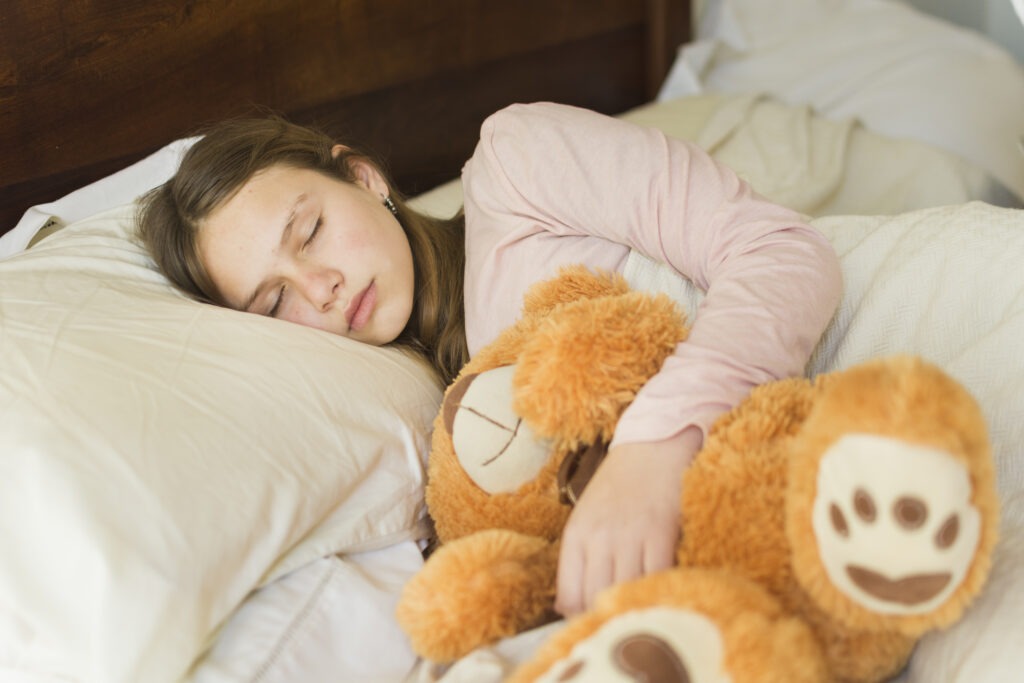
Sleep is essential for every child’s growth, learning, and emotional development.
During sleep, a child’s brain processes information from the day, the body releases growth hormones, and the immune system strengthens.
But when children experience sleep disorders, this crucial cycle is disrupted — leading to problems with focus, mood, behavior, and even physical health.
According to pediatric sleep specialists, 25–40% of children experience some form of sleep difficulty at least once during their development.
The key is identifying whether it’s a short-term issue (like nightmares) or a chronic sleep disorder that needs professional attention.
🧩 Understanding Sleep Disorders in Children
A sleep disorder occurs when a child regularly struggles to fall asleep, stay asleep, or get restful sleep.
It’s not just about bedtime resistance — many cases are linked to medical, psychological, or developmental factors.
Here are the most common types of pediatric sleep disorders parents should know:
😴 1. Insomnia (Difficulty Falling or Staying Asleep)
Just like adults, children can suffer from insomnia — often due to anxiety, irregular bedtime routines, or too much screen time.
Signs include:
- Taking longer than 30 minutes to fall asleep
- Frequent night awakenings
- Daytime fatigue or irritability
- Trouble focusing in school
What parents can do:
Establish a consistent bedtime routine, limit electronics before bed, and create a calm, predictable environment.
If insomnia persists for weeks, consult a pediatrician to rule out emotional or medical causes.
😪 2. Sleep Apnea
Obstructive Sleep Apnea (OSA) is a serious condition where a child’s breathing repeatedly stops during sleep.
It’s caused by airway obstruction — often from enlarged tonsils, adenoids, or obesity.
Warning signs:
- Loud snoring
- Gasping or pauses in breathing
- Restless sleep or sweating at night
- Morning headaches or irritability
Untreated OSA can affect heart health and growth, so it’s crucial to get a sleep study (polysomnography) if symptoms appear.
Treatment may involve surgery, continuous positive airway pressure (CPAP), or weight management.
🧠 3. Restless Legs Syndrome (RLS)
Though often associated with adults, RLS can also affect children.
It causes an uncomfortable tingling or crawling sensation in the legs, creating an urge to move them — especially at bedtime.
Symptoms:
- Complaints of “funny” leg feelings
- Difficulty sitting still or falling asleep
- Nighttime tossing and turning
RLS in children is sometimes linked to iron deficiency or family history.
A pediatrician may recommend iron supplements or lifestyle changes, such as regular stretching and reduced caffeine intake.
🌜 4. Night Terrors and Sleepwalking
These are classified as parasomnias, occurring during deep (non-REM) sleep.
Night terrors cause children to scream, cry, or appear terrified while still asleep — but they usually don’t remember the episode in the morning.
Sleepwalking, on the other hand, can range from sitting up in bed to walking around the house.
Causes:
- Sleep deprivation
- Stress or fever
- Irregular sleep schedule
Parents should avoid waking the child during an episode, gently guide them back to bed, and ensure a safe environment (lock windows, clear obstacles).
Most children outgrow parasomnias as their brains mature.
🌙 5. Delayed Sleep Phase Syndrome (DSPS)
Some children, especially teenagers, have an internal clock that naturally runs later — meaning they struggle to fall asleep before midnight and wake up early for school.
This isn’t laziness; it’s a circadian rhythm disorder.
Common signs:
- Difficulty waking up in the morning
- Staying up very late on weekends
- Falling asleep easily during the day
Management strategies:
- Gradually shift bedtime earlier by 15–20 minutes nightly
- Limit screen exposure 1–2 hours before bed
- Use morning sunlight exposure or light therapy lamps to reset the body clock
🍼 6. Behavioral Sleep Problems in Toddlers
Younger children often experience bedtime resistance or dependence on parents to fall asleep.
Typical examples include:
- Needing a parent in bed to sleep
- Frequent requests for water or bathroom trips
- Tantrums when bedtime approaches
These behaviors are normal in early development but can become habitual if not managed gently.
A structured bedtime routine — with predictable cues like reading or dimming lights — helps toddlers feel secure and ready for sleep.
🧬 What Causes Sleep Disorders in Children?
There’s rarely a single cause.
Common contributing factors include:
- Irregular bedtime schedules
- Anxiety, stress, or ADHD
- Medical conditions (asthma, allergies, epilepsy)
- Screen exposure or excessive blue light
- Poor sleep environment (too hot, noisy, or bright)
Sleep issues can also signal emotional or developmental concerns, especially when paired with behavioral changes.
🩺 When to See a Doctor
Parents should consult a pediatrician or sleep specialist if:
- Snoring or breathing pauses occur frequently
- The child sleeps less than 8 hours regularly
- Nightmares or night terrors happen multiple times per week
- There’s extreme daytime fatigue or hyperactivity
Doctors may recommend sleep studies, behavioral therapy, or medication depending on the diagnosis.
💡 Tips to Promote Healthy Sleep in Children
Healthy sleep habits can prevent or manage most mild sleep issues.
Here’s what parents can do:
🕰️ 1. Stick to a Consistent Schedule
Go to bed and wake up at the same time daily — even on weekends. Predictability helps regulate the body’s clock.
🌙 2. Create a Relaxing Bedtime Routine
Include activities like warm baths, storytime, or soft music. Avoid stimulating activities (like video games or YouTube).
📵 3. Limit Screen Time
Blue light delays melatonin release. All screens should be off at least 60 minutes before bed.
🛏️ 4. Optimize the Bedroom
Keep the room cool, dark, and quiet. White noise machines or smart nightlights can help soothe anxious sleepers.
🍎 5. Watch Diet and Caffeine
Avoid sugary snacks or sodas in the evening. Instead, offer light, calming foods like bananas or warm milk.
🧘 6. Encourage Daytime Activity
Physical exercise helps children burn energy and promotes deeper sleep at night.
🌟 The Role of Technology in Monitoring Kids’ Sleep
Modern smart bands and sleep tracking devices for kids can help parents spot sleep issues early.
These wearables track heart rate, movement, and sleep duration — giving insight into nightly patterns.
However, data should always complement, not replace, medical evaluation.
For persistent sleep disturbances, professional diagnosis remains essential.
🌌 Final Thoughts: Building Lifelong Sleep Habits
Sleep is the foundation of a child’s mental, emotional, and physical health.
While occasional disruptions are normal, ongoing sleep problems can affect growth and learning.
By understanding common sleep disorders and applying consistent, nurturing bedtime habits, parents can help their children build a lifetime of healthy sleep — and happier mornings.