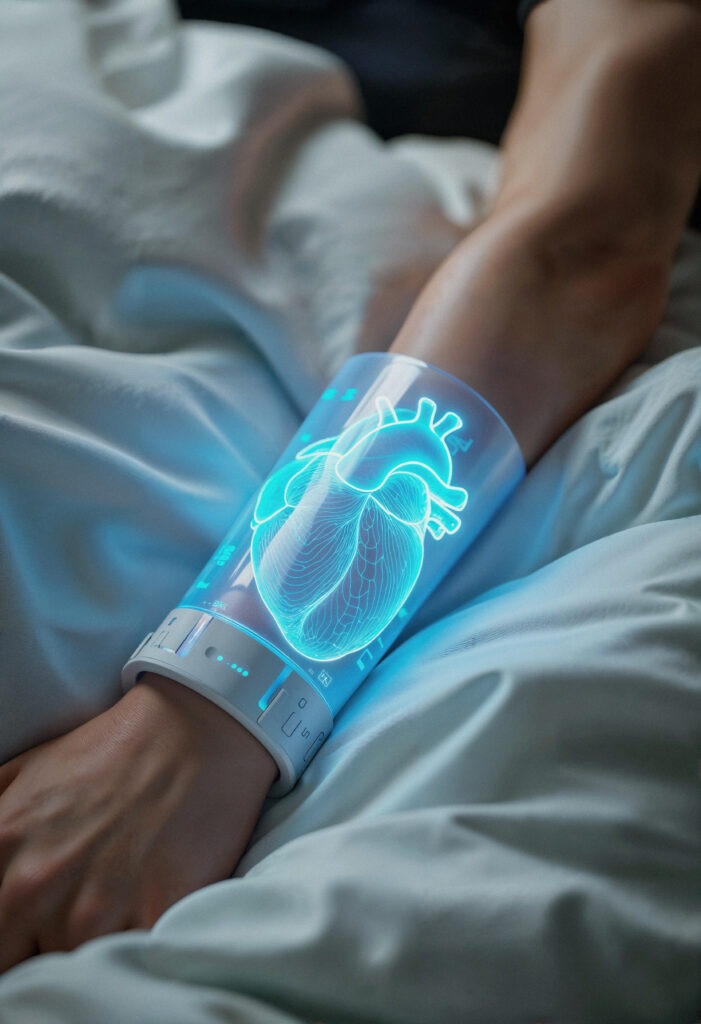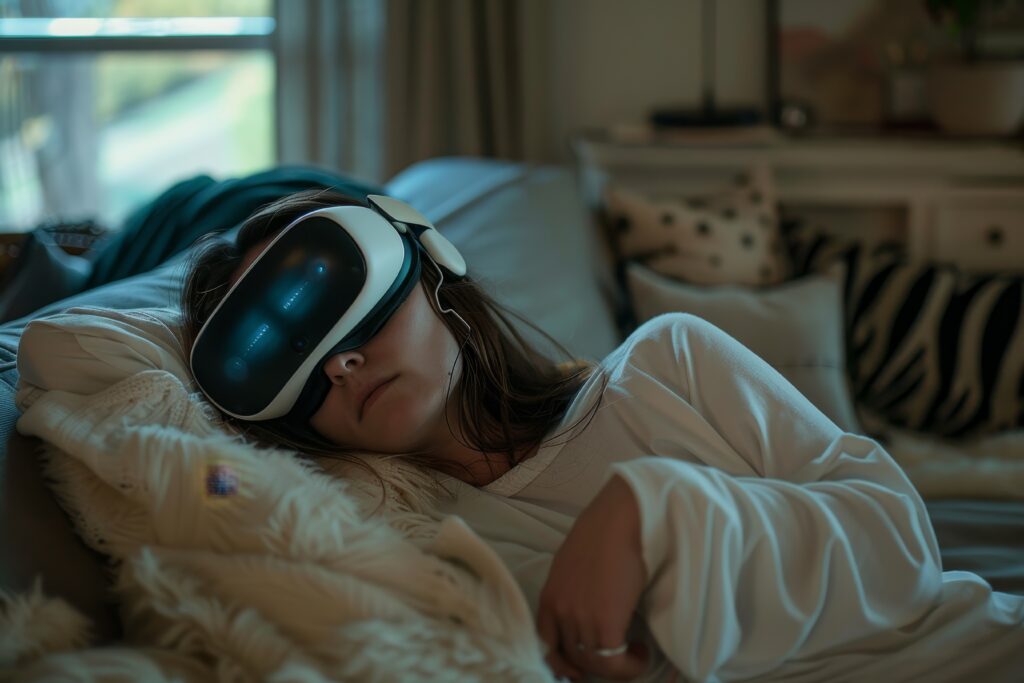
🌙 A New Era of Sleep Technology
Sleep is no longer just about closing your eyes—it’s about optimization. With modern lifestyles pushing our bodies to the limit, sleep technology has emerged as a vital wellness trend.
From AI-driven mattresses that adjust to your movements to biofeedback headbands that train your brain to relax, the sleep tech market is booming like never before.
In 2025, innovation is not only about tracking your sleep but actively improving its quality in real time. Below, we explore the top five sleep tech innovations that are redefining how we rest, recover, and recharge.
🛏️ 1. Smart Beds That Learn Your Sleep Patterns
Smart beds have evolved far beyond adjustable bases or temperature control. This year’s leading models use machine learning algorithms to study your nightly behavior and automatically optimize comfort.
How it works:
Embedded sensors measure your heart rate, breathing, movement, and temperature, then the bed adjusts firmness and support in real time. Some even sync with your smart home ecosystem to manage lighting and sound.
Leading example:
- Sleep Number 360 i10 Smart Bed – It adjusts firmness automatically, tracks sleep metrics, and integrates with smart assistants.
- Eight Sleep Pod 3 Cover – Offers dual-zone temperature control, heart rate monitoring, and detailed sleep reports via app.
Why it matters:
By continuously adapting to your body’s needs, AI-powered beds promote deeper, more consistent sleep cycles and reduce night-time disturbances.
🌡️ 2. Temperature-Regulating Sleep Gadgets
Temperature has a massive impact on how well we sleep. Studies show that the ideal sleeping temperature is between 18–20°C (65–68°F). This year, a wave of temperature-controlled gadgets is helping people maintain that sweet spot effortlessly.
Top innovations include:
- ChiliSleep Dock Pro: Circulates cool or warm water through a mattress pad to regulate temperature dynamically.
- Embr Wave 2: A wearable bracelet that provides gentle warming or cooling sensations on your wrist to trigger thermal comfort.
- BedJet 3: Uses air-based cooling and heating, perfect for couples with different comfort needs.
The benefit:
Stable temperature regulation helps prevent overheating or cold disruption, leading to longer periods of deep and REM sleep.
🧠 3. EEG Headbands and Neurofeedback Devices
EEG (electroencephalogram) headbands have become a cornerstone of modern sleep science. Unlike regular wearables, these devices track actual brainwave activity, providing more accurate insights into your sleep stages.
How they work:
They measure brainwave patterns—like alpha, delta, and theta waves—through small sensors on the forehead. Paired with AI apps, they show how long you spent in light, deep, and REM sleep.
Best models of 2025:
- Muse S (Gen 2): Offers real-time EEG feedback, meditation guidance, and sleep tracking.
- Dreem 2: Uses EEG sensors plus sound therapy to promote deeper sleep.
- Kokoon Nightbuds: Combines EEG with adaptive audio for relaxation and sleep onset.
Why it’s innovative:
EEG technology bridges the gap between consumer wellness and clinical sleep science, helping users achieve brain-based sleep optimization at home.
🌬️ 4. Smart Scents and Aromatherapy Technology
Scent has a direct connection to the brain’s limbic system, which regulates emotions and relaxation. The latest smart scent devices use controlled diffusion and AI to personalize aromatherapy throughout the night.
Top innovations include:
- Ninu Smart Perfume & Sleep Diffuser: Customizes scents using AI and user feedback.
- AromaTech AroMini BT: Syncs with your smartphone to release lavender or chamomile scents during specific sleep stages.
- SleepMe AromaPod: Connects to your smart bed to coordinate scent and temperature for optimal rest.
The impact:
Scientific studies have confirmed that scents like lavender, jasmine, and sandalwood can lower heart rate and anxiety, leading to faster sleep onset and better sleep continuity.
📱 5. AI-Driven Sleep Coaching Apps
Sleep tracking apps are getting smarter — and more personal. Instead of just showing your data, AI-powered apps now interpret your habits and coach you toward better sleep.
What’s new in 2025:
AI models use long-term data from your wearables, smart home devices, and even environmental factors (like light and noise) to provide personalized recommendations.
Popular examples:
- SleepSpace: Integrates data from multiple devices to deliver real-time coaching and environmental optimization.
- Pillow AI: Uses sound analysis and Apple Watch data to predict ideal bedtime windows.
- SleepScore Max: Provides a daily sleep score and tailored improvement tips based on lifestyle factors.
Why it matters:
These apps are turning passive data into actionable insights, helping users make measurable progress toward restful nights without medical intervention.
🌐 The Future of Sleep Tech: Beyond Tracking
The next phase of sleep innovation will go beyond monitoring — it will focus on active intervention.
Here’s what’s on the horizon:
- Adaptive lighting systems that adjust color temperature based on your circadian rhythm.
- AI-integrated bedding that syncs with breathing or meditation patterns.
- Non-contact sleep sensors that use radar or ultrasound to monitor without wearables.
- Sleep robots and pods that simulate breathing rhythms to calm users into slumber.
As hardware, software, and neuroscience continue to merge, the dream of a fully intelligent sleep ecosystem is quickly becoming reality.
🌌 Final Thoughts
Sleep technology in 2025 is no longer just about numbers on a screen — it’s about transformation.
From AI-powered smart beds to EEG-driven neurofeedback headbands, each innovation aims to personalize rest, reduce stress, and improve overall health.
The best part? You don’t need a sleep clinic or a complex setup to experience better sleep. Whether it’s through scent-based relaxation, real-time temperature control, or AI guidance, this year’s sleep tech breakthroughs prove that smarter nights lead to better days.
As the field evolves, expect these innovations to become even more integrated, adaptive, and precise — bringing science and serenity together for the perfect night’s rest.