🌙 Why REM Sleep Matters
When it comes to high-quality rest, not all sleep is created equal. The REM (Rapid Eye Movement) stage is one of the most vital parts of the sleep cycle—responsible for memory consolidation, emotional regulation, and cognitive restoration.
During REM sleep, your brain becomes highly active, your eyes move rapidly beneath closed lids, and vivid dreaming occurs. It typically happens 90 minutes after falling asleep and recurs several times throughout the night.
But if REM cycles are disrupted, you may wake up groggy, forgetful, and unfocused—even after eight hours in bed. That’s why tracking REM sleep is now a top priority in modern sleep technology—and wearable devices are leading the charge.
🩺 What Are Sleep Wearables?
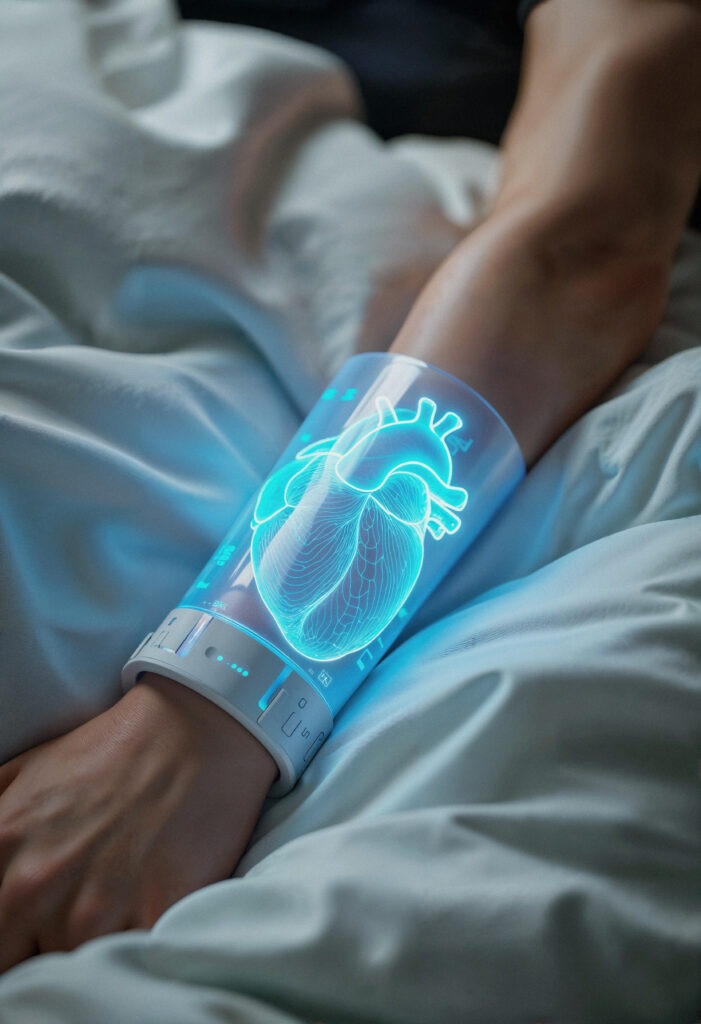
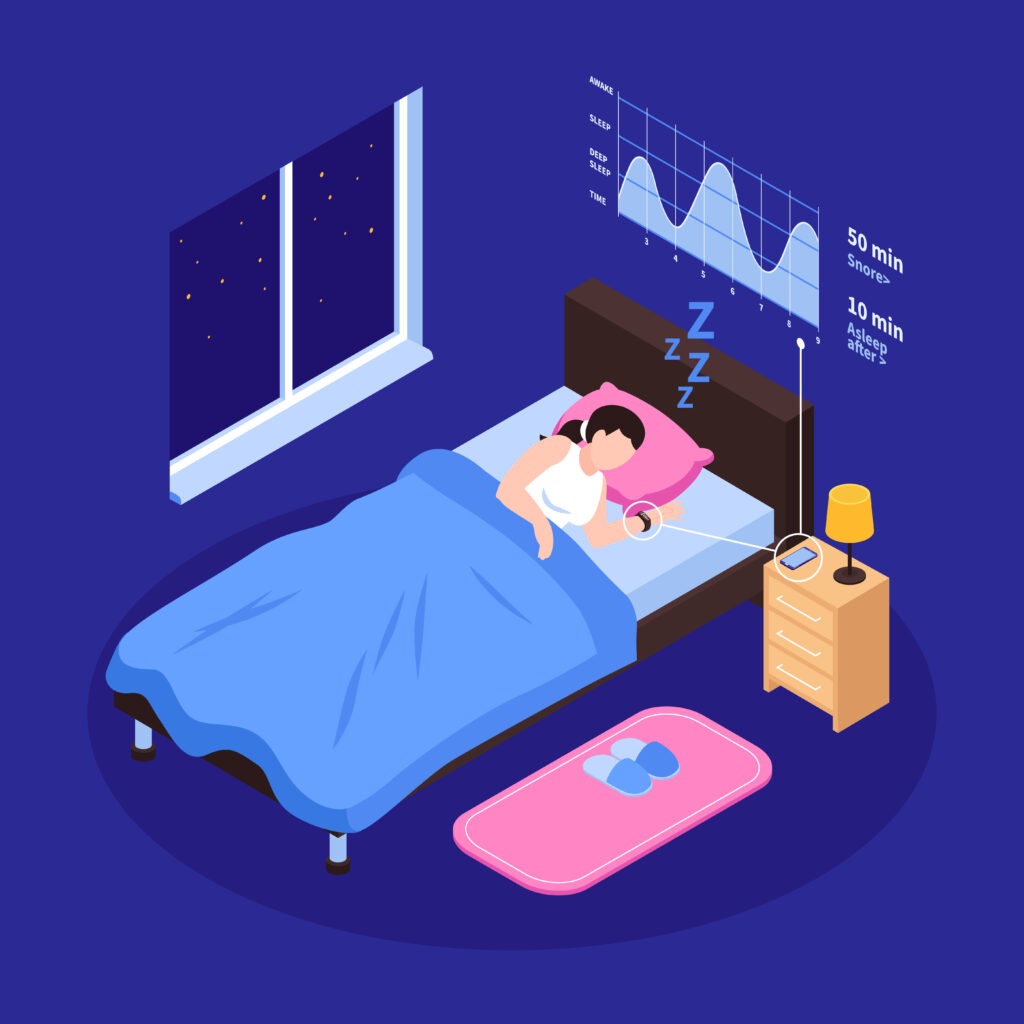
Sleep wearables are smart devices—like rings, watches, or headbands—that monitor physiological signals while you sleep. Using sensors that measure movement, heart rate, oxygen levels, and skin temperature, they estimate which sleep stage you’re in at any moment.
Unlike bulky sleep lab equipment, these wearables are lightweight, comfortable, and accessible, making them ideal for everyday use.
Common types include:
- Smartwatches (Apple Watch, Fitbit, Samsung Galaxy Watch)
- Smart rings (Oura Ring, Ultrahuman Ring Air)
- Sleep headbands (Muse S, Kokoon Nightbuds)
- Chest or wrist sensors (Whoop Strap, Biostrap)
Each of these uses unique algorithms to analyze your body’s natural rhythms—and translate them into actionable sleep insights.
🧠 How Wearables Track REM Cycles
Sleep wearables can’t “see” your brain activity directly (like EEGs in sleep clinics), but they use biometric proxies—patterns in your body’s signals—to infer REM cycles with surprising accuracy.
Here’s how they do it:
- Heart Rate Variability (HRV):During REM sleep, your heart rate fluctuates more than in other stages. Wearables measure HRV to detect these subtle changes.
- Movement Detection (Actigraphy):REM sleep is typically marked by minimal body movement, even though your brain is active. Motion sensors (accelerometers) help identify this phase.
- Skin Temperature and Blood Oxygen:Body temperature tends to rise slightly during REM, while oxygen levels remain stable—signals that wearables use to fine-tune their readings.
- AI Pattern Recognition:Advanced devices use machine learning algorithms trained on massive datasets to recognize the unique biometric “signature” of REM sleep.
The result: a detailed nightly sleep report showing how long you spent in light, deep, and REM stages—and how those affect your overall rest quality.
⌚ Top Sleep Wearables That Track REM Cycles
Here are some of the best sleep wearables currently known for their REM-tracking precision and smart insights:
1. Oura Ring Gen 3
- Type: Smart Ring
- Sensors: Infrared PPG, temperature, accelerometer, gyroscope
- Highlights: Tracks REM cycles with clinical-level accuracy, provides a “Readiness Score,” and measures recovery metrics like HRV and body temperature.
2. Fitbit Sense 2 / Charge 6
- Type: Smartwatch / Fitness Band
- Sensors: Multi-path heart rate monitor, SpO₂ sensor, motion tracking
- Highlights: Offers detailed REM data and integrates with stress management and breathing tools.
3. Whoop Strap 4.0
- Type: Wrist Sensor
- Sensors: HRV, skin temperature, respiratory rate
- Highlights: Focuses on recovery and strain, showing how REM quality impacts athletic performance.
4. Apple Watch Series 9
- Type: Smartwatch
- Sensors: Optical heart rate, accelerometer, skin temperature
- Highlights: Uses Apple Health’s algorithm to distinguish between REM, core, and deep sleep, integrated with daily activity metrics.
5. Muse S (Gen 2) Headband
- Type: EEG Headband
- Sensors: Direct brainwave (EEG) measurement
- Highlights: Offers the most accurate REM detection among consumer devices by monitoring actual brain activity. Ideal for sleep training and meditation.
Each of these devices provides a unique balance between convenience, accuracy, and depth of data—allowing users to understand their sleep like never before.
🌛 Benefits of Tracking REM Sleep
1. Better Cognitive Function
Knowing your REM patterns helps you optimize bedtime routines for sharper focus, better memory, and improved creativity.
2. Stress and Mood Management
REM sleep supports emotional regulation; wearables can reveal how stress affects your sleep—and how to fix it.
3. Health and Recovery Insights
For athletes or busy professionals, wearables connect REM quality with recovery metrics, helping you balance exertion and rest.
4. Personalized Recommendations
Many apps provide AI-driven advice—like bedtime reminders, temperature adjustments, or relaxation exercises—to improve REM duration naturally.
5. Early Detection of Sleep Disorders
Persistent REM disturbances can indicate health issues like sleep apnea or insomnia, which wearables can help identify early for medical follow-up.
⚙️ Limitations and Accuracy Concerns
Despite their convenience, sleep wearables are not perfect.
- Accuracy vs. medical devices: Consumer wearables can estimate sleep stages but don’t match the precision of EEG-based sleep studies.
- Variability between brands: Algorithms differ; some may overestimate or underestimate REM duration.
- Battery life and comfort: Continuous overnight tracking can drain batteries or feel bulky to some users.
- Privacy issues: Sleep and biometric data are sensitive; ensure devices have strong data protection policies.
Still, ongoing research and AI improvements continue to make consumer-grade wearables increasingly reliable and insightful.
🔮 The Future of REM Sleep Tracking
The next generation of sleep wearables will go far beyond passive monitoring. Expect:
- Real-time feedback: Devices that adjust lighting or temperature based on detected sleep stage.
- Deeper AI integration: Predicting ideal sleep-wake times using long-term data patterns.
- Non-contact sensors: Radar or ultrasonic systems that track sleep without physical contact.
- Medical-grade precision: Hybrid wearables combining EEG and PPG sensors for near-clinical accuracy.
In short, the line between sleep science and consumer tech is rapidly blurring—bringing professional-level insights to everyday users.
🌌 Final Thoughts
REM sleep is the foundation of mental performance, emotional balance, and overall well-being. Thanks to sleep wearables, anyone can now track and optimize this crucial stage with just a ring, watch, or headband.
By analyzing subtle signals like heart rate variability, movement, and temperature, these devices provide actionable insights that help you sleep smarter—not just longer.
Whether you’re an athlete fine-tuning recovery, a professional battling burnout, or simply someone striving for deeper rest, REM-tracking wearables can help you understand—and improve—the quality of your nights.
Because when technology meets sleep science, better mornings naturally follow.