🌙 What Is Biofeedback?
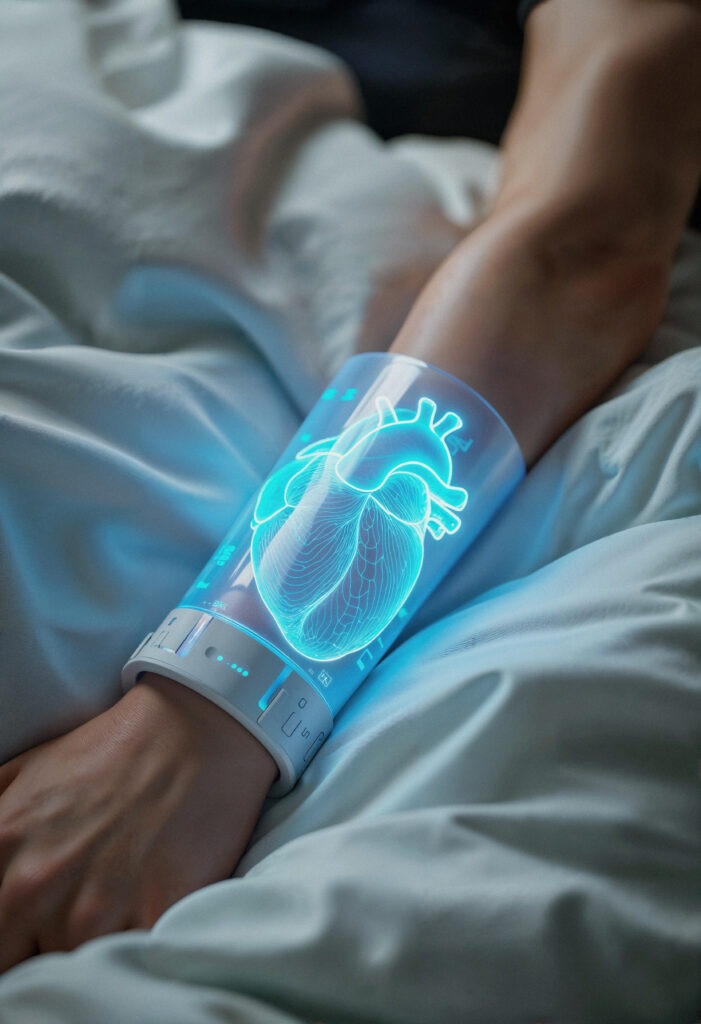
Biofeedback is a science-based technique that helps you consciously control physiological functions—like heart rate, breathing, and muscle tension—that are usually automatic. By using sensors that measure your body’s signals, biofeedback devices provide real-time feedback on what’s happening inside your body.
When you see how stress affects your breathing or heart rate, you can learn to calm yourself through controlled relaxation techniques. In short, biofeedback teaches your body how to relax, which is essential for falling asleep faster and staying asleep longer.
🧠 How Biofeedback Devices Work
Modern biofeedback devices are lightweight and wearable, often connecting to smartphone apps that display your real-time data. These tools track key indicators such as:
* Heart Rate Variability (HRV): The time difference between each heartbeat. Higher HRV reflects better stress control and relaxation.
* Skin Temperature: Increases when you relax and decreases during stress.
* Respiration Rate: Slow, steady breathing helps trigger calmness before sleep.
* Brainwave Activity (EEG): Some advanced headbands measure alpha and theta waves linked to deep relaxation.
By analyzing these signals, biofeedback technology shows how stress impacts your sleep quality and teaches you how to reverse it naturally.
💤 The Link Between Biofeedback and Sleep Quality
Many sleep problems—like insomnia or restless nights—are linked to stress and anxiety. When your mind is tense, your body remains in “fight or flight” mode. Heart rate increases, muscles tighten, and sleep becomes shallow.
Using biofeedback devices helps you switch to a parasympathetic state, also known as the “rest and digest” mode. This relaxation response prepares your body for deep, restorative sleep.
Example routine:
* Use your biofeedback device before bed to practice slow breathing and track HRV improvements.
* Let the device monitor your physiological state while you sleep.
* Review your data in the morning to identify what affects your rest—like caffeine, screen time, or stress.
💡 Benefits of Biofeedback for Sleep Improvement
1. Reduced Stress and Anxiety
By visualizing your stress patterns, you learn to control heart rate and breathing consciously, promoting mental calmness and faster sleep onset.
2. Improved Sleep Duration and Quality
Regular biofeedback training improves your body’s ability to relax, helping you stay asleep longer and reach deeper sleep stages.
3. Personalized Sleep Insights
Unlike basic fitness trackers, biofeedback devices offer detailed physiological data—not just movement. You can see how stress or breathing changes throughout the night.
4. Natural and Drug-Free Solution
Biofeedback offers a holistic alternative to sleeping pills. It’s safe, non-invasive, and ideal for long-term sleep management.
5. Supports Other Therapies
Combine biofeedback with mindfulness, meditation, or Cognitive Behavioral Therapy for Insomnia (CBT-I) for faster results.
⚙️ Best Biofeedback Devices for Better Sleep
If you’re ready to try this technology, here are some top-rated biofeedback tools known for improving sleep quality:
* Muse S (Gen 2): Measures brain activity and guides you through meditation before bed.
* HeartMath Inner Balance: Focuses on HRV training with visual breathing exercises.
* Apollo Neuro: Uses soothing vibrations to balance your nervous system day and night.
* Biostrap EVO: Monitors HRV, oxygen, and sleep cycles with detailed analytics.
Each of these devices helps you understand your unique sleep patterns and trains your body to relax more effectively.
🧘 Tips to Maximize Results with Biofeedback
To make the most of your biofeedback sleep training, follow these habits:
* Be consistent: Practice biofeedback exercises daily, especially before bedtime.
* Optimize your environment: Keep your bedroom dark, cool, and screen-free.
* Track your progress: Compare weekly HRV and relaxation improvements.
* Stay patient: Like any skill, it takes time for your body to learn relaxation control.
🌌 Final Thoughts: A Smarter Way to Sleep
Biofeedback technology is revolutionizing how we approach sleep health. Instead of guessing why you can’t rest, you gain precise data that shows how your body reacts to stress, caffeine, and other daily triggers.
By using biofeedback devices to improve sleep quality, you can retrain your body to relax, restore balance to your nervous system, and enjoy deeper, more refreshing rest—without medication or side effects.
Whether you’re struggling with insomnia or just want to wake up more energized, biofeedback offers a personalized, science-backed path to better sleep.