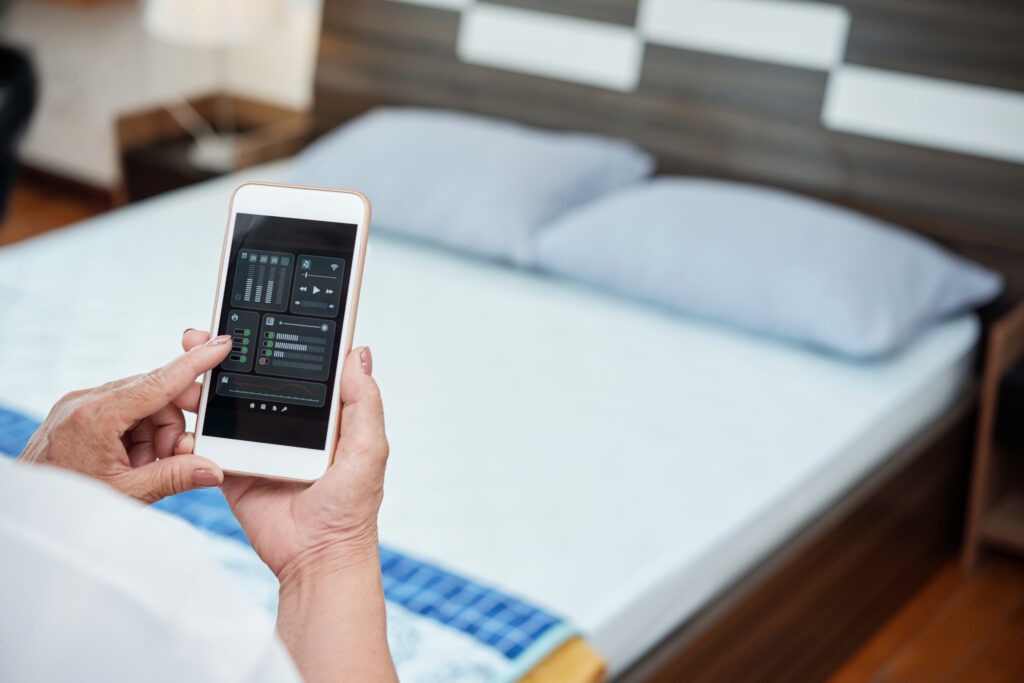
In the era of smart homes and wearable technology, it’s no surprise that even our beds are getting smarter. The rise of smart mattresses promises a revolution in sleep quality — offering features like sleep tracking, automatic temperature adjustment, and personalized firmness settings.
But with price tags that can soar into the thousands, many people wonder: Are smart mattresses really worth the hype?
In this article, we’ll explore what makes these high-tech beds special, their benefits and drawbacks, and whether investing in one truly leads to better sleep and wellness.
What Is a Smart Mattress?
A smart mattress is more than just a place to rest. It’s an intelligent sleep system designed to analyze, optimize, and enhance your nightly rest.
Depending on the model, smart mattresses can include:
* Sleep tracking sensors: Monitor heart rate, breathing, and movement.
* Automatic firmness adjustment: The bed adapts to your body posture throughout the night.
* Temperature control: Heating or cooling zones for personalized comfort.
* Integration with smart devices: Syncs with sleep apps, smartwatches, or virtual assistants.
* Health insights: Provides data to improve your sleep hygiene and lifestyle choices.
Brands like Sleep Number, Eight Sleep, and ReST Bed have pioneered this category, merging comfort and cutting-edge technology.
The Benefits of Smart Mattresses
1. Advanced Sleep Tracking
Smart mattresses offer detailed sleep analytics without needing a wearable device. Using built-in sensors, they track:
* Sleep stages (light, deep, and REM)
* Heart rate and breathing rate
* Movement patterns and restlessness
* Sleep duration and efficiency
This data helps users understand what affects their rest and adjust their habits accordingly.
2. Personalized Comfort
Unlike traditional beds with a fixed firmness level, many smart mattresses feature adaptive air chambers or foam zones that automatically adjust to your body position.
For example, if you roll from your back to your side, the bed softens or firms up to support spinal alignment — reducing pressure points and improving comfort throughout the night.
3. Temperature Regulation
Overheating is a common cause of poor sleep. Smart mattresses like the Eight Sleep Pod use active cooling systems to maintain an optimal temperature all night.
You can even program temperature schedules — cooler for sleep onset and slightly warmer for morning wake-up — to match your circadian rhythm.
4. Integration with Smart Home Devices
Many smart mattresses sync with Apple Health, Google Fit, or Alexa, letting you automate bedtime routines. Imagine dimming lights, lowering room temperature, and starting a white noise track — all triggered when you get into bed.
5. Couple-Friendly Features
For shared beds, smart mattresses offer dual-zone customization, allowing each side to have different temperatures or firmness levels. It’s a perfect solution for couples with differing sleep preferences.
The Downsides of Smart Mattresses
1. High Price Tag
The biggest drawback is cost. Smart mattresses range from $1,000 to $5,000+, depending on features and brand. While the technology is impressive, the price may be hard to justify for light sleepers who simply want comfort.
2. Maintenance and Setup
These beds require electricity, Wi-Fi, and app connectivity to function fully. Any technical issue — such as software glitches or firmware updates — can disrupt the experience.
3. Data Privacy Concerns
Because smart mattresses collect biometric data, users may worry about how their sleep and health information is stored and used. Choosing brands with transparent privacy policies is crucial.
4. Potential Overdependence on Data
Constant monitoring can lead some users to become overly fixated on “perfect sleep scores.” Ironically, this can create sleep anxiety, reducing the natural relaxation that good sleep requires.
5. Durability and Longevity
With electronic components embedded inside, smart mattresses may not last as long as traditional ones. Repairs and replacements can also be more expensive.
Who Should Consider Buying a Smart Mattress?
Smart mattresses aren’t for everyone, but they’re ideal for certain types of sleepers:
* Tech enthusiasts: Those who enjoy data tracking and automation.
* Hot or cold sleepers: People who struggle with temperature regulation.
* Couples with different sleep needs: Dual-zone options can resolve comfort conflicts.
* Individuals with sleep issues: Those looking to analyze and improve sleep health.
However, if you prefer simplicity or sleep soundly without gadgets, a high-quality traditional mattress may suit you just as well.
Tips for Choosing the Right Smart Mattress
If you’re considering investing in one, here’s what to look for:
1. Sensor Accuracy: Choose models with proven sleep tracking validation.
2. Temperature Control Range: Ensure the system supports your ideal temperature settings.
3. Smart Integration: Compatibility with your existing smart home setup.
4. Warranty and Service: Look for at least a 10-year mattress warranty and responsive customer support.
5. Trial Period: Opt for brands offering at least 90–100 nights of risk-free testing.
Popular options in 2025 include:
* Eight Sleep Pod 3 – Best for temperature control and smart features.
* Sleep Number 360 i10 – Excellent personalization and dual-zone comfort.
* ReST Bed FX – Great for athletes needing adaptive firmness.
Are Smart Mattresses Worth It?
The answer depends on your lifestyle and sleep priorities.
✅ Worth it if:
* You value in-depth sleep tracking and comfort personalization.
* You struggle with overheating or back pain.
* You already use smart home technology and enjoy data insights.
❌ Not worth it if:
* You’re a minimalist sleeper or prefer low-maintenance options.
* You’re on a tight budget — high-end foam or hybrid mattresses may provide similar comfort at a lower cost.
For many, the real benefit lies in awareness — understanding your body’s sleep patterns can encourage healthier routines. However, it’s still possible to achieve great sleep without the tech if you practice good sleep hygiene and maintain a consistent bedtime schedule.
Conclusion
Smart mattresses combine science, comfort, and technology to revolutionize rest. From adaptive support to biometric tracking, they bring precision to an often-overlooked part of health: sleep.
While they’re not a necessity for everyone, smart mattresses can offer valuable insights and unmatched comfort for those willing to invest. The key is to balance innovation with practicality — using technology to enhance rest, not complicate it.
In the end, whether they’re “worth the hype” depends not on the tech itself, but how well it fits your personal sleep needs.