Sleep apnea is a serious sleep disorder that causes repeated pauses in breathing during the night. Left untreated, it can lead to complications like heart disease, diabetes, daytime fatigue, and reduced quality of life. Traditionally, diagnosing sleep apnea required an overnight stay at a sleep clinic for a polysomnography test. While accurate, this process is costly, time-consuming, and inconvenient for many people.
Thanks to advances in sleep technology, detecting sleep apnea at home has become more accessible. From wearable devices to smart pillows, technology now offers ways to monitor sleep patterns and identify possible signs of sleep apnea—all from the comfort of your bedroom.
What Is Sleep Apnea?
Sleep apnea is characterized by disrupted breathing during sleep, usually caused by a blocked airway (obstructive sleep apnea) or a signal misfire from the brain (central sleep apnea). Common symptoms include:
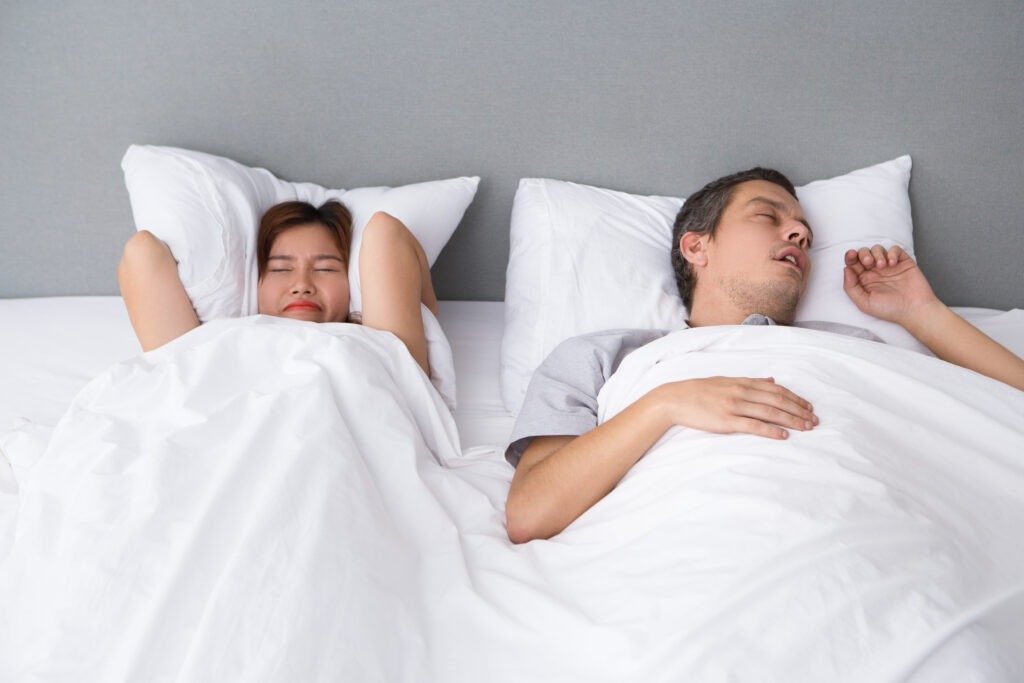
* Loud, chronic snoring
* Gasping or choking during sleep
* Excessive daytime sleepiness
* Morning headaches
* Trouble concentrating
Since many people don’t realize they have sleep apnea, technology plays a critical role in early detection and awareness.
How Technology Detects Sleep Apnea at Home
1. Wearable Devices
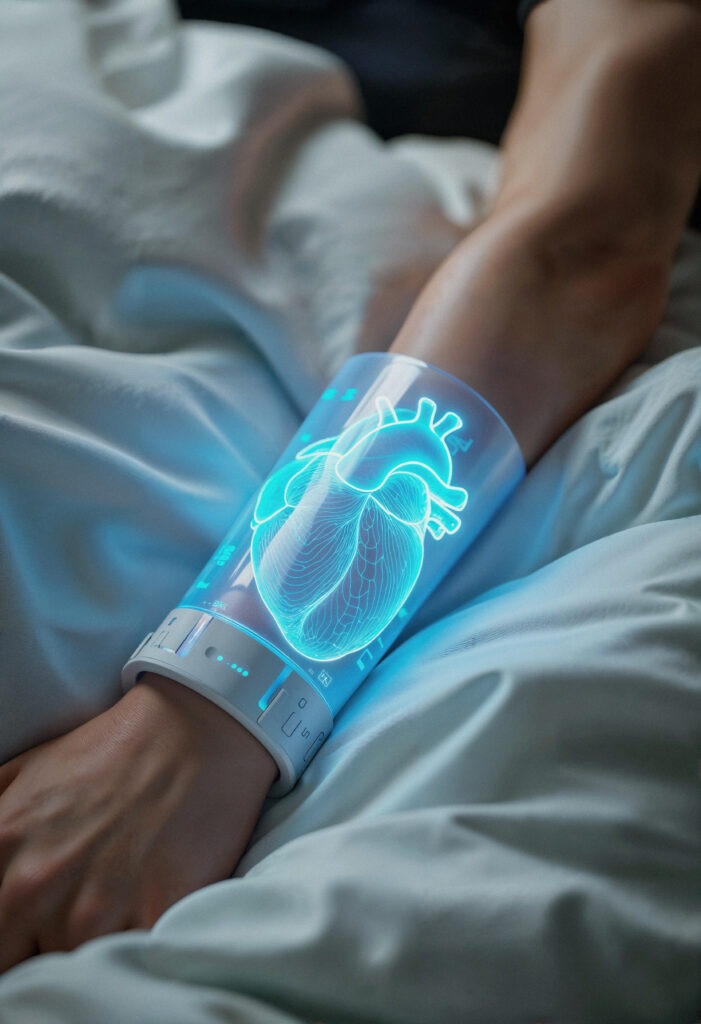
Smartwatches and fitness trackers now include sleep tracking features that monitor oxygen levels, heart rate, and movement.
* Pulse oximeters: Measure oxygen saturation (SpO2) throughout the night. Drops in oxygen levels may indicate apnea events.
* Heart rate variability (HRV): Fluctuations can signal irregular breathing patterns.
* Movement tracking: Detects tossing, turning, or sudden awakenings linked to apnea.
Popular wearables like the Apple Watch, Fitbit, and Garmin now provide users with sleep reports that highlight possible warning signs.
2. Smartphone Apps
Several apps use your phone’s microphone and accelerometer to record snoring, breathing sounds, and body movements during the night.
* Apps like SnoreLab or Sleep Cycle can track snoring intensity and breathing irregularities.
* They also provide audio recordings, allowing users (and sometimes doctors) to review nighttime disturbances.
Although not a substitute for medical diagnosis, these apps raise awareness of patterns worth investigating.
3. Smart Bedding and Pillows
Smart pillows and mattresses are designed with pressure sensors and microphones that monitor body posture and snoring.
* Some pillows detect snoring and gently reposition the head to open the airway.
* Advanced smart beds use embedded sensors to track respiratory rate and breathing pauses.
This technology provides insights into whether apnea events might be occurring at home.
4. At-Home Sleep Apnea Test Kits (HSATs)
Medical-grade Home Sleep Apnea Tests (HSATs) are prescribed by doctors but conducted at home. These kits usually include:
* Nasal cannulas to measure airflow
* Chest and abdomen sensors to monitor breathing effort
* Pulse oximeters for oxygen levels
Unlike consumer gadgets, HSATs are clinically validated and can provide a formal diagnosis.
5. Artificial Intelligence and Cloud Data
Some modern sleep devices connect to cloud-based platforms that use AI algorithms to analyze data over time. By learning your sleep trends, AI can flag abnormalities, such as frequent oxygen drops or extended pauses in breathing. This data can then be shared with healthcare providers for further evaluation.
Benefits of At-Home Sleep Apnea Detection
* Convenience – No need to visit a sleep lab or stay overnight.
* Early Awareness – Gadgets highlight warning signs before symptoms worsen.
* Cost Savings – Cheaper than repeated clinical tests.
* Comfort – Sleeping at home is more natural, leading to more accurate results for some users.
Limitations of Technology
While at-home detection is promising, there are also limitations:
* Accuracy – Consumer devices may misinterpret data or miss subtle apnea events.
* Not a Full Diagnosis – Only HSATs or clinical polysomnography can confirm sleep apnea.
* Data Overload – Too much information without professional interpretation may confuse users.
Do You Need Professional Help?
If your at-home devices show signs of possible sleep apnea—like frequent oxygen drops, loud snoring, or irregular breathing—it’s essential to consult a sleep specialist. Technology is excellent for raising awareness but should not replace medical evaluation and treatment.
Common treatments include CPAP machines, lifestyle changes, oral appliances, or surgery, depending on severity.
Conclusion
Technology has revolutionized how we approach sleep health. With wearables, smartphone apps, smart bedding, and home sleep apnea test kits, it’s now easier than ever to detect sleep apnea at home. These tools provide valuable insights, promote early awareness, and encourage individuals to seek proper treatment.
However, while these devices are helpful, they should be seen as screening tools, not final diagnoses. For accurate results and long-term health, professional consultation remains essential.
By combining modern technology with medical expertise, we are moving closer to a future where everyone can manage sleep apnea effectively and comfortably from home.