In today’s fast-paced world, where work, travel, and daily responsibilities often cut into valuable rest, the demand for innovative sleep solutions has never been higher. Enter the sleep pod—a futuristic sleep system designed to offer privacy, comfort, and cutting-edge technology for better rest.
Popular in airports, offices, universities, and even luxury spas, sleep pods are changing the way people nap, recharge, and in some cases, even sleep overnight. But what exactly are sleep pods, and how do they balance technology with comfort? Let’s explore.
What Are Sleep Pods?
Sleep pods are compact, enclosed spaces designed for relaxation and sleep. Unlike a traditional bed, a sleep pod focuses on creating a controlled environment that supports short naps or extended rest in public or semi-public places.
Most modern sleep pods come equipped with:
* Ergonomic reclined seating or bedding
* Noise reduction technology (soundproofing or white noise systems)
* Built-in lighting control (dim lights or circadian rhythm settings)
* Ventilation and temperature control
* Privacy screens or enclosed domes
* Smart technology features such as sleep tracking and relaxation apps
These features make sleep pods not just a place to nap, but an integrated sleep-enhancement experience.
The Role of Technology in Sleep Pods
1. Smart Lighting
Many sleep pods use circadian rhythm lighting, which mimics natural daylight cycles. This helps regulate melatonin production, making it easier to fall asleep and wake up refreshed.
2. Sound Control
From noise-cancelling materials to built-in white noise machines, technology ensures outside disturbances don’t interrupt rest. Some pods also allow users to play guided meditations, calming music, or nature sounds.
3. Climate Regulation
Temperature is key to good sleep. Advanced pods include adjustable airflow and cooling systems, preventing discomfort from overheating or stuffy environments.
4. Sleep Tracking and AI Integration
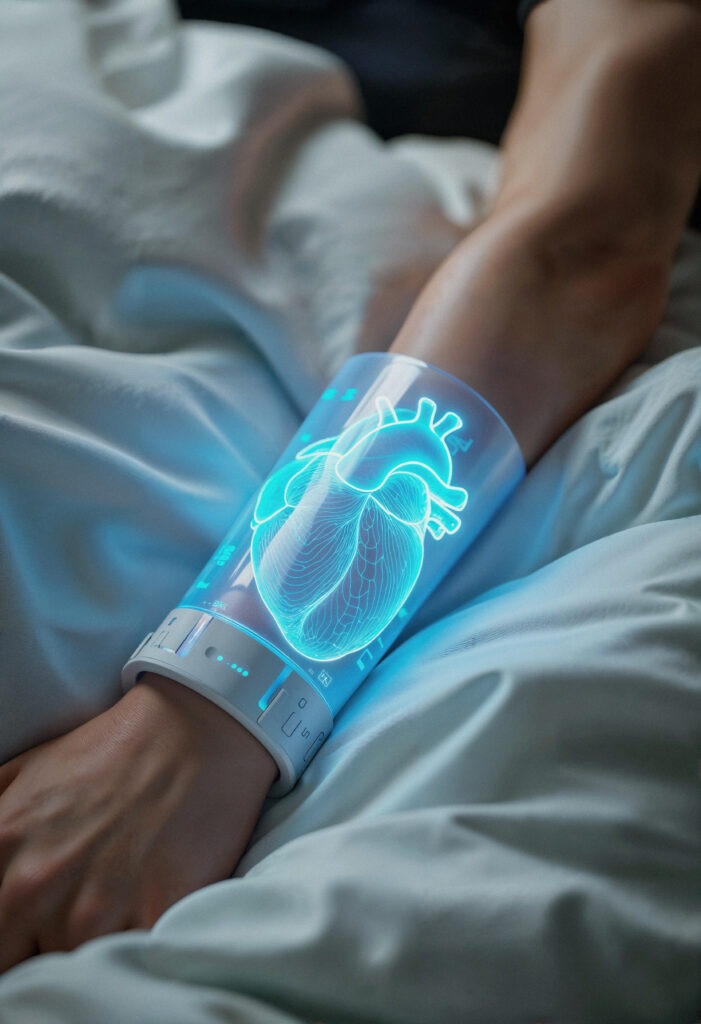
Some premium models are equipped with sleep sensors that monitor breathing, movement, and heart rate, offering feedback on rest quality and tips for improvement.
Comfort Features That Matter
While technology powers the innovation, comfort is what makes sleep pods appealing. Most designs prioritize ergonomic support, plush cushioning, and adjustable recline angles to fit individual preferences.
Additionally, enclosed designs create a sense of safety and privacy, which is particularly important in busy environments like airports or shared workspaces. Some pods even integrate aromatherapy systems, releasing calming scents like lavender to promote deeper relaxation.
Where Are Sleep Pods Used?
1. Airports – For travelers with long layovers, sleep pods provide a quiet escape from noisy terminals.
2. Workplaces – Companies like Google and NASA have introduced nap pods to boost employee productivity and creativity.
3. Universities – Students use pods to recover energy during demanding schedules.
4. Hospitals – Medical staff can take restorative breaks during long shifts.
5. Wellness Centers & Spas – Offering clients an immersive relaxation experience.
Benefits of Sleep Pods
* Improved Productivity – Short naps are proven to boost focus, memory, and decision-making.
* Better Stress Management – Pods provide a private retreat to recharge mentally and physically.
* Healthier Sleep Habits – Controlled environments encourage better rest quality.
* Convenience and Accessibility – Available in places where traditional sleeping arrangements aren’t practical.
* Enhanced Travel Experience – Jetlagged travelers can refresh and reduce fatigue mid-journey.
Limitations of Sleep Pods
Despite their benefits, sleep pods come with certain challenges:
* High Cost – Premium models are expensive, making them more common in corporate or commercial settings than homes.
* Limited Space – Best for short naps, not always suitable for long-term sleep.
* Availability – Not widely accessible in all regions or industries.
* Potential Overreliance – Relying on pods might discourage the adoption of healthier sleep routines at home.
Do Sleep Pods Really Work?
Yes—when used correctly, sleep pods can significantly enhance rest and well-being. By combining technology with comfort, they create environments that reduce common sleep disruptors like noise, light, and stress. However, they are not a replacement for proper sleep hygiene.
Sleep pods are best used as a supplemental tool—helping people recharge during the day or while traveling, but not as a substitute for a full night’s rest in a healthy bedroom environment.
Conclusion
Sleep pods represent the future of rest in busy environments. By blending advanced technology with ergonomic comfort, they offer a practical solution for the growing need to rest, recharge, and reset.
From workplaces to airports, these pods are redefining how we approach sleep, proving that even in today’s high-speed world, technology can be harnessed to support one of our most fundamental needs: a good night’s rest.
If you’re someone who struggles with fatigue on the go, or a business looking to invest in employee well-being, a sleep pod might just be the bridge between technology and true comfort.