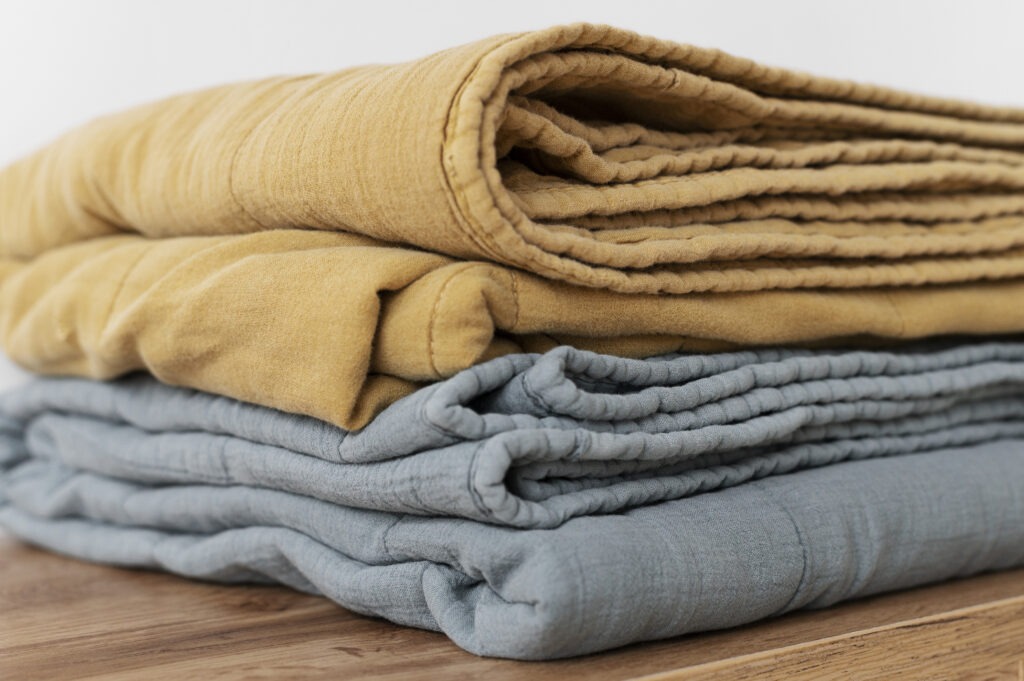
When it comes to bedding, there’s a wide spectrum—from high-end luxury sheets that feel like a hotel’s finest linens, to affordable sets that do the job without breaking the bank. Deciding which is right for you depends on several factors: comfort preferences, budget, climate, durability, and even your values (like eco-friendliness or ethical production).
In this article, we’ll compare luxury bedding and affordable bedding, highlight their differences and trade-offs, and help you decide what to choose for better sleep without buyer’s remorse.
What Defines “Luxury” Bedding
Luxury bedding isn’t just about price—it’s about quality across multiple dimensions. Key features often include:
* High-quality natural fibers: Egyptian cotton, Supima cotton, bamboo, linen, and sometimes silk. These materials tend to be more breathable, softer, and durable.
* Superior weave and finishing: The weave type (percale, sateen, sateen/silk blends, etc.), tighter threads, better stitching, stronger seams, refined dyeing techniques.
* Temperature regulation: Luxury materials often feel cooler, wick moisture better, or allow more airflow so you sleep more comfortably without overheating.
* Durability & aging well: They keep softness, color, and shape over many washes. Budget bedding often shows wear, color fading, pilling, or loss of comfort faster.
* Ethical / sustainable production: Organic materials, fair labor practices, low-impact dyes, and environmental certifications. Luxury often includes these extras.
What “Affordable” Bedding Offers
Affordable bedding isn’t bad—it’s made with different trade-offs to bring cost down. Some common features:
* Synthetic or blended fibers: Polyester, microfiber, cotton-poly blends. They tend to be cheaper and easier to produce.
* Lower thread count or simpler weave: Initial softness might be good, but breathability or long-term durability may suffer.
* Simpler finishing: Less refinement in stitching, weaker seams, fewer decorative details. Colors might fade faster, fabric may pill more quickly.
* Shorter lifespan / more frequent replacement: Because of wear, wash cycles, etc. The upfront cost is lower, but over time, replacing cheaper bedding multiple times may reduce the gap in cost between affordable vs luxury.
Side-by-Side Comparison
| Feature | Luxury Bedding | Affordable Bedding |
|---|---|---|
| Feel & Softness | Luxuriously soft, silky or crisp depending on weave | Often soft initially but may degrade faster |
| Materials | Natural fibers (organic cotton, linen, bamboo, silk) | Synthetics or cotton blends often dominate |
| Breathability & Temperature Control | Better for hot sleepers, more airflow, better moisture control | May trap heat, less breathable depending on material |
| Durability | Longer lasting, resists pilling/fading; higher thread count/weave quality | Wears faster; seams, color, texture may fade sooner |
| Cost Upfront | Higher investment | Lower upfront cost |
| Long-Term Cost | Can be more cost-effective when spread over many years | Might require replacing more frequently |
| Ethical & Sustainability Features | More likely to have certifications, ethical sourcing | Often not prioritized, but some budget options also offer good value ethically |
When Luxury is Worth It (for You)
You might lean toward luxury bedding if:
* You sleep hot or live in a humid climate, and you need materials that breathe and regulate temperature well.
* You have sensitive skin or allergies; premium materials like organic cotton, bamboo, or linen often cause fewer irritations.
* You value longevity and want bedding that feels good even after many washes.
* Aesthetic and tactile luxury matter to you—how the bedding looks, drapes, feels, etc.
* Sustainability and ethical production are important in your values; you’re willing to pay more for certified eco-friendly materials.
When Affordable Bedding is a Smart Choice
Affordable bedding can be perfectly suitable when:
* You need bedding for guest rooms or temporary setups, or places where high wear is expected.
* Your budget is limited, so getting basic durability, easy maintenance, and decent comfort matters more than luxury finishes.
* You don’t have extreme temperature or skin sensitivity concerns. Some affordable cotton or cotton blends can perform quite well for many users.
* You want to test different materials or feel before investing in a high-end set—cheaper options let you experiment.
How to Find “Affordable Luxury” (Best of Both Worlds)
Sometimes you can get close to luxury without paying premium:
* Choose natural materials but in simpler finishes (e.g. organic cotton percale vs silk satin).
* Go for materials that soften over time (linen, high-quality cotton) so your bedding improves as you use it.
* Watch for sales, off-season discounts, or bundles. Luxury brands occasionally discount heavily.
* Check for certifications (OEKO-TEX, GOTS, etc.) even in affordable lines, to ensure no harmful dyes or chemicals.
* Care properly—follow wash instructions, gentle cycle, avoid harsh detergents to extend lifespan.
Conclusion
Luxury bedding delivers in comfort, aesthetics, durability, and often in health or ethical terms—but it costs more. Affordable bedding provides value with lower cost, and can still be quite good if you choose wisely.
What you choose depends on your priorities: is up-front cost a concern? Do you need breathability or have sensitive skin? Or do you want something that feels indulgent and lasts for years?
In the end, the best bedding is the one you’ll enjoy, maintain, and wake up feeling refreshed with—whether it’s luxury or budget. Choose what aligns with your needs, and your sleep will thank you.