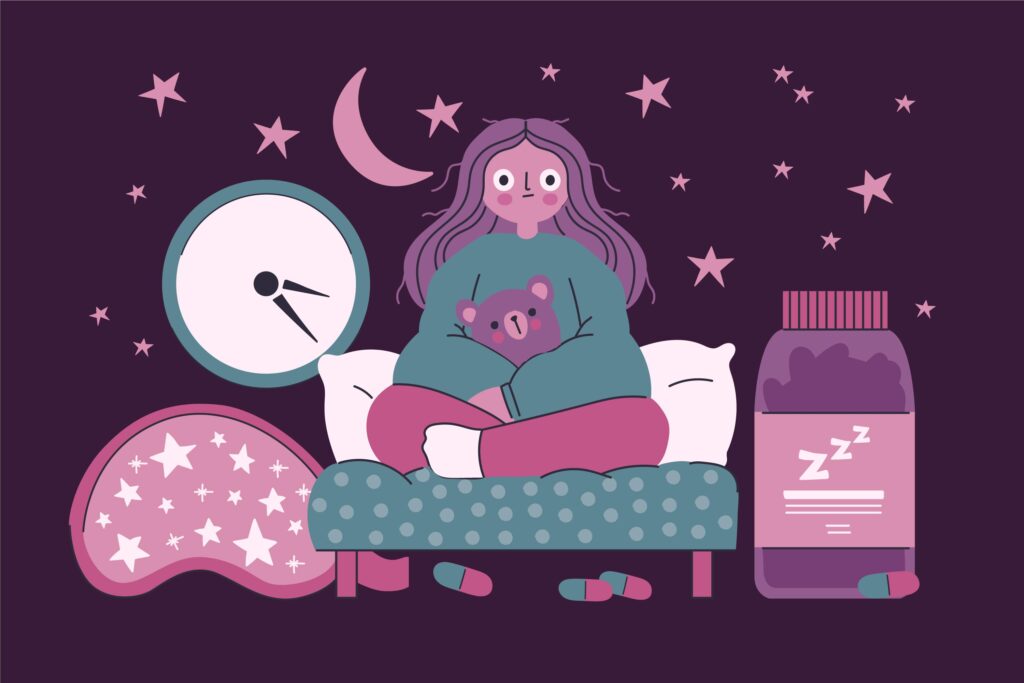
Sleep is one of the most important pillars of health—just as crucial as nutrition and exercise. Yet, misconceptions about sleep have spread over time, leading people to adopt habits that can actually harm their rest and overall well-being. Believing in these myths may not only keep you from sleeping well but also affect your productivity, mood, and long-term health.
Let’s explore five of the most common sleep myths and uncover the science-backed truths behind them.
Myth 1: You Can “Catch Up” on Sleep Over the Weekend
Many people think they can stay up late during the week and make up for it by sleeping in on Saturday and Sunday. While weekend recovery sleep can reduce immediate fatigue, research shows it doesn’t fully restore your cognitive performance, metabolic health, or circadian rhythm.
Truth: Maintaining a consistent sleep schedule throughout the week is more beneficial than compensating on weekends.
Myth 2: Everyone Needs 8 Hours of Sleep
The “8 hours” rule is one of the most common sleep beliefs. In reality, sleep needs vary from person to person and can range from 7 to 9 hours for most adults. Some may feel fully rested with 7 hours, while others may need closer to 9.
Truth: Focus on how refreshed and alert you feel during the day, not just the number of hours you sleep.
Myth 3: Snoring Is Harmless
Snoring is often brushed off as just an annoying nighttime noise. However, it can sometimes be a sign of sleep apnea, a serious condition where breathing stops and starts repeatedly during sleep. Left untreated, sleep apnea increases the risk of heart disease, stroke, and daytime fatigue.
Truth: If you or a partner snore loudly and frequently, it’s worth discussing with a healthcare professional.
Myth 4: Watching TV Helps You Fall Asleep
Many people wind down with TV, thinking it helps them drift off. Unfortunately, screens emit blue light, which interferes with melatonin production, the hormone that regulates sleep. This can delay sleep onset and reduce sleep quality.
Truth: Instead of screens, try reading a physical book, listening to calm music, or practicing relaxation exercises before bed.
Myth 5: Alcohol Helps You Sleep Better
A nightcap may make you feel drowsy, but alcohol disrupts the REM stage of sleep, which is vital for memory and emotional processing. Drinking before bed often leads to fragmented, lower-quality rest.
Truth: If you drink, avoid alcohol within 3–4 hours of bedtime for better sleep quality.
Conclusion
Misunderstandings about sleep can prevent you from achieving the rest your body truly needs. By debunking these myths and following science-based practices, you can create habits that promote better sleep and long-term health.
Remember: quality sleep is an investment in your overall well-being. Don’t let myths sabotage your nights—and your days.