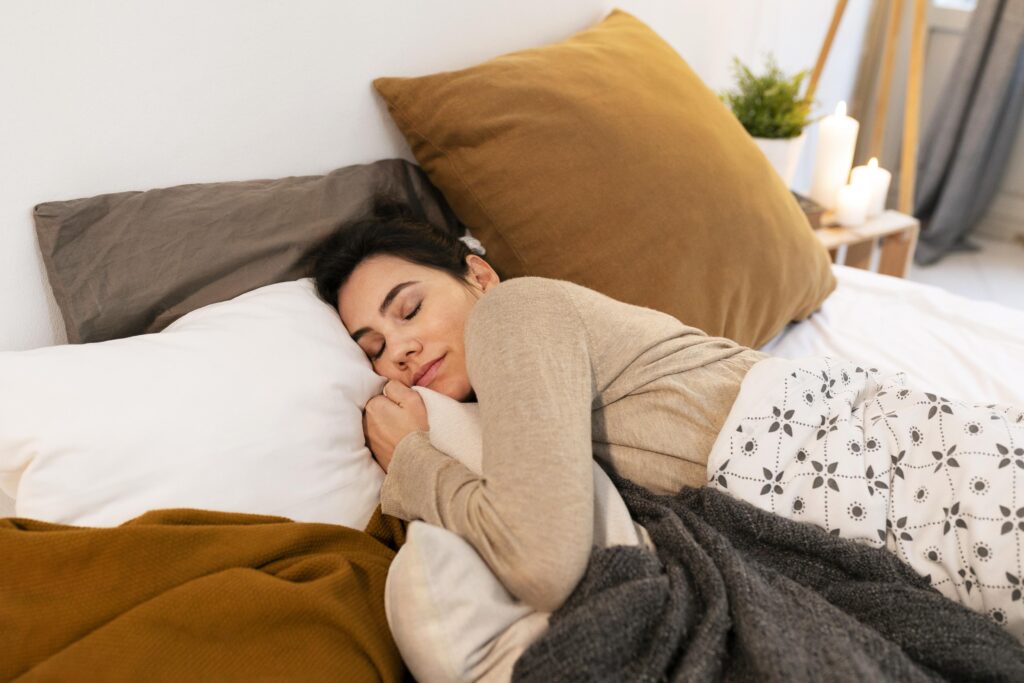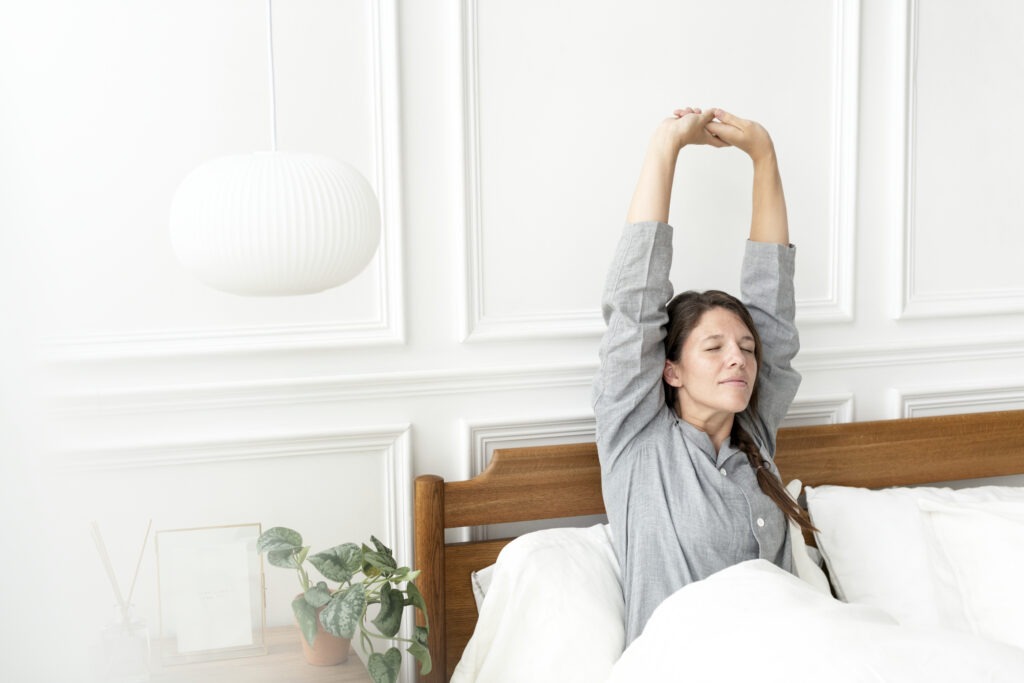
Many people struggle to get a full night of restful sleep. While some turn to supplements or sleep aids, one of the most effective—and natural—solutions is often overlooked: exercise. Physical activity doesn’t just strengthen the body; it also plays a vital role in regulating hormones, reducing stress, and aligning your circadian rhythm.
This article explores the connection between exercise and better sleep, identifying the best types of workouts, the ideal timing for activity, and how regular movement supports restorative rest.
How Exercise Improves Sleep Quality
Exercise impacts sleep in multiple ways:
- Reduces Stress and Anxiety
- Physical activity lowers cortisol, the stress hormone that interferes with sleep.
- Exercise also increases endorphins, which promote relaxation and well-being.
- Balances Circadian Rhythm
- Consistent exercise helps reinforce your natural body clock.
- Morning workouts, in particular, align your body with natural daylight, supporting earlier sleep onset at night.
- Improves Sleep Stages
- Studies show that exercise increases the amount of deep, slow-wave sleep, which is crucial for physical restoration.
- It may also lengthen REM cycles, improving memory and emotional health.
- Helps with Insomnia
- Moderate aerobic exercise has been shown to reduce insomnia symptoms.
- People who exercise regularly fall asleep faster and wake less during the night.
Best Types of Exercise for Sleep
Not all workouts affect sleep in the same way. Some are especially effective:
- Aerobic Exercise: Walking, cycling, swimming, or jogging help lower anxiety and support deep sleep.
- Strength Training: Weightlifting or resistance exercises improve overall health and regulate hormone production, which supports sleep balance.
- Yoga and Stretching: Gentle yoga promotes relaxation, reduces muscle tension, and prepares the body for rest.
- Mind-Body Workouts: Tai chi and Pilates combine movement with mindfulness, reducing stress and calming the nervous system.
When Should You Exercise for Better Sleep?
Timing matters when it comes to using exercise as a sleep aid:
- Morning Exercise: Exposure to daylight during outdoor workouts helps set your circadian rhythm, making it easier to sleep at night.
- Afternoon Exercise: Great for improving energy levels and reducing stress before the evening.
- Evening Exercise: Intense workouts right before bed may overstimulate your body. However, light stretching or yoga can be calming and supportive of sleep.
Practical Tips to Combine Exercise and Sleep Health
- Aim for at least 150 minutes of moderate aerobic activity per week.
- Keep workouts consistent—routine helps regulate your body clock.
- Avoid vigorous exercise within 2–3 hours of bedtime.
- Add stretching or yoga into your nighttime routine.
- Track your sleep and exercise patterns to find what works best for you.
Special Considerations for Sleep Disorders
- People with insomnia benefit most from regular, moderate-intensity aerobic activity.
- Those with sleep apnea may improve symptoms through weight management supported by exercise.
- Individuals struggling with restless legs syndrome (RLS) may find stretching and yoga particularly helpful.
Final Thoughts
The relationship between exercise and sleep is clear: moving your body consistently helps you rest more deeply and wake more refreshed. While supplements and sleep aids may offer temporary relief, exercise provides a sustainable and natural solution.
Whether it’s a brisk morning walk, a gym session, or evening yoga, physical activity helps reset your internal clock, reduce stress, and improve overall health. The result is not just better sleep—but a better quality of life.