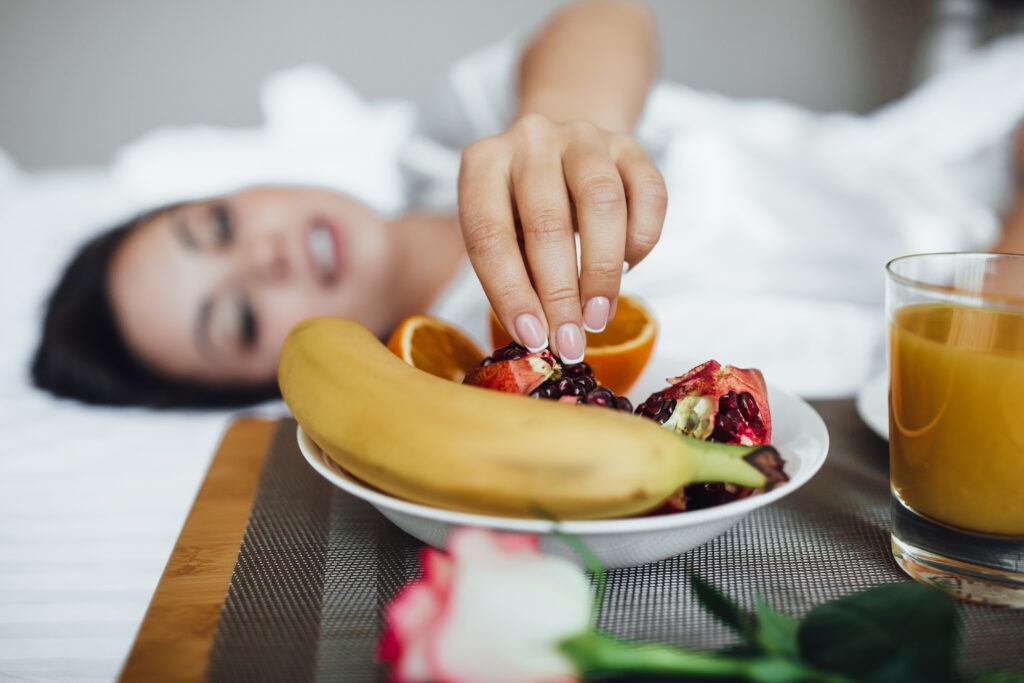
We often think of sleep as a separate part of life, disconnected from what we eat. But in reality, food and sleep are deeply interconnected. Your diet influences hormones, blood sugar, digestion, and even brain chemicals that regulate your sleep-wake cycle. If you’ve been struggling with restless nights, inconsistent bedtimes, or morning fatigue, the answer may lie not in your pillow but on your plate.
This article explores the hidden link between diet and sleep patterns, highlighting foods that can help you sleep better and dietary habits that may sabotage your rest.
How Food Affects Sleep
Your body’s internal clock, known as the circadian rhythm, controls when you feel awake and when you feel sleepy. Food influences this system in several key ways:
- Hormone Regulation – Nutrients like magnesium and tryptophan play a role in producing melatonin and serotonin, the hormones that regulate sleep.
- Blood Sugar Stability – Balanced meals prevent nighttime awakenings caused by blood sugar crashes.
- Digestive Comfort – Heavy or spicy meals before bed can trigger discomfort, making it harder to stay asleep.
- Brain Chemistry – Certain foods affect neurotransmitters like GABA, which calm the nervous system.
Foods That Improve Sleep Quality
If you want to fall asleep faster and stay asleep longer, try incorporating these sleep-friendly foods:
- Tryptophan-Rich Foods: Turkey, chicken, eggs, and dairy products contain tryptophan, an amino acid that helps produce serotonin and melatonin.
- Magnesium-Packed Foods: Almonds, spinach, pumpkin seeds, and dark chocolate support muscle relaxation and reduce nighttime cramps.
- Complex Carbohydrates: Whole grains and sweet potatoes promote steady blood sugar, preventing midnight hunger.
- Fatty Fish: Salmon, tuna, and mackerel provide omega-3 fatty acids and vitamin D, which support melatonin regulation.
- Herbal Teas: Chamomile, valerian root, and passionflower tea naturally relax the nervous system.
Foods and Drinks That Disrupt Sleep
Just as some foods encourage deep rest, others sabotage it. If you suffer from insomnia or light sleep, consider limiting:
- Caffeine – Found in coffee, tea, chocolate, and energy drinks. Even afternoon consumption can interfere with sleep.
- Alcohol – Though it may make you drowsy, alcohol disrupts REM sleep, leaving you feeling unrested.
- Spicy Foods – They can cause acid reflux or digestive discomfort at night.
- Sugary Snacks – Blood sugar spikes followed by crashes often lead to 2 a.m. awakenings.
- Heavy or Greasy Meals – These slow digestion, making it harder to fall asleep comfortably.
The Role of Meal Timing
When you eat can be just as important as what you eat. Research shows that irregular eating patterns may confuse your circadian rhythm. Here’s how to time meals for better sleep:
- Breakfast – Eat within 1–2 hours of waking to set your body clock.
- Dinner – Aim to finish your last meal at least 2–3 hours before bedtime.
- Late-Night Snacks – If you must snack, choose something light and sleep-friendly, such as a banana with almond butter.
The Gut-Sleep Connection
Your gut health and sleep are linked through the gut-brain axis. A balanced diet rich in fiber, probiotics, and prebiotics supports good digestion and healthy neurotransmitter production. Yogurt, kefir, sauerkraut, and bananas all help improve both gut health and sleep.
Practical Tips for a Sleep-Friendly Diet
- Create a balanced plate with lean protein, complex carbs, and vegetables.
- Stay hydrated during the day but reduce fluid intake 1–2 hours before bed.
- Replace evening coffee with herbal tea.
- Keep a sleep and food diary to notice patterns between your meals and your rest.
- Try a Mediterranean-style diet, which has been linked to better overall sleep quality.
Final Thoughts
The relationship between diet and sleep is more significant than most people realize. By making small, intentional changes—like swapping late-night pizza for a light, nutrient-rich snack—you can reset your circadian rhythm and enjoy more restorative rest.
Instead of relying on sleep aids, consider looking at your daily meals as a natural solution. What you eat today truly shapes how well you’ll sleep tonight.